shining bright

a British lighting manufacturer with a difference

Obsessed with solving problems, not just selling 'stuff': we were born from a belief that the lighting industry deserved better.

Why Choose LED Rail Lights for Global Projects?

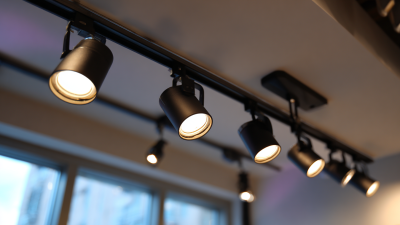
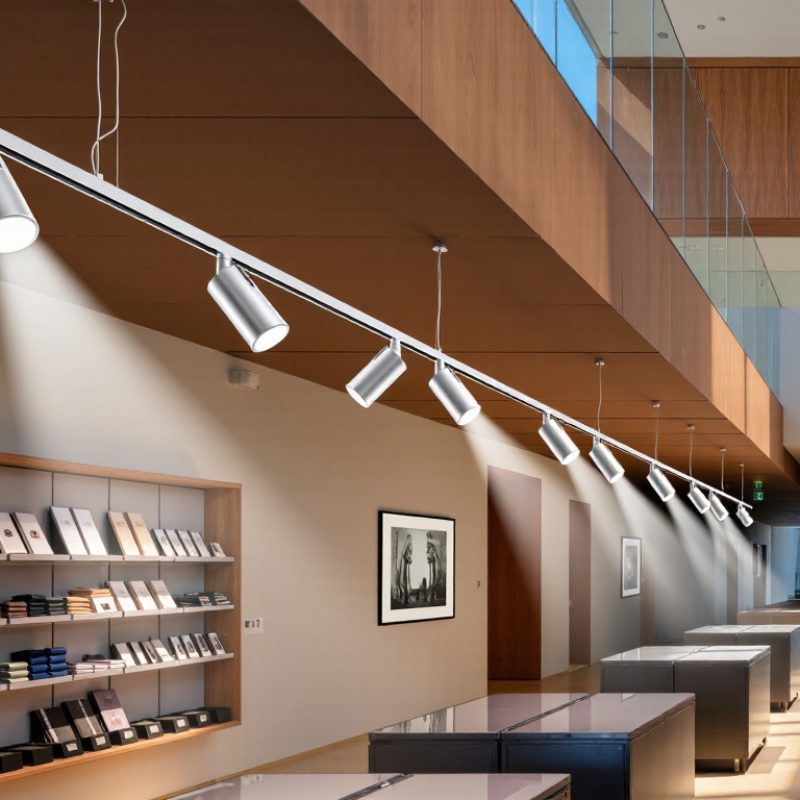
Global projects demand lighting that performs consistently across different spaces, climates, and installation practices. An LED rail light offers flexible aiming, efficient operation, and a clean visual appearance. Its adjustable head can direct light toward merchandise, artwork, tables, or architectural details. This flexibility reduces the need for frequent fixture changes. It also helps designers respond to evolving layouts. In a retail showroom, one rail light can highlight a product wall without illuminating the entire ceiling. In a hotel corridor, narrower beams can create comfortable visual guidance. Small adjustments matter.

However, choosing the right system requires more than comparing wattage or price. Project teams should examine beam angle, color rendering, glare control, flicker performance, heat management, and dimming compatibility. They should also verify voltage requirements and installation methods for each market. A dependable rail light should have clear technical documentation, traceable testing, and a realistic warranty. Local electrical requirements still matter. A neat brochure is not enough. Field verification matters.

Global procurement also depends on stable supply, replacement access, and responsive technical support. Suppliers with documented quality controls can reduce uncertainty during multi-site installation. Experience shows that identical fixtures may perform differently when ceiling height, ambient temperature, and control systems change. That assumption can fail. Not every project needs the brightest fixture. Responsible selection balances performance, comfort, energy use, and long-term maintenance. This article examines why LED rail lights suit international projects, while recognizing their limitations and the practical checks needed for reliable results.
Why Choose LED Rail Lights for Global Projects?

LED Rail Lights Defined: 100–150 lm/W Efficiency for Global Projects

Why Choose LED Rail Lights for Global Projects?

LED rail lights are designed for flexible illumination in retail, hospitality, transport, and commercial spaces. Their typical efficiency ranges from 100 to 150 lm/W, helping projects produce strong light with lower energy demand. Not magic. Actual performance depends on LED quality, driver losses, beam angle, and operating temperature. A 120 lm/W specification may deliver less at the fixture level after optical losses.

In high-ceiling spaces, a narrow beam can place light on shelves or walkways without flooding the ceiling. Wider optics can create softer coverage across open areas. Field installation teams also value adjustable heads, because layouts often change after construction. A 4000K light may support clear visual work, while suitable glare control protects visitors and staff. These details affect comfort as much as efficiency.

Global projects need more than a promising lumen figure. Teams should check input voltage, emergency-lighting compatibility, photometric files, ingress protection, and local electrical requirements. Rail connections must also match the project’s maintenance plan. A poorly selected adapter can weaken an otherwise efficient system. Another concern is heat: dusty ceilings and warm climates may reduce long-term output. Testing samples in the actual space is safer than relying only on a catalogue. Even then, measurements may not reflect every installation condition, so the design deserves a second review before large-scale deployment.

Energy Savings: Up to 75% Less Power Than Traditional Halogen Lighting

Why Choose LED Rail Lights for Global Projects?

Energy savings can reach 75% when LED rail lights replace high-wattage halogen fixtures. The U.S. Department of Energy reports that LEDs use at least 75% less energy than incandescent lighting. Halogen lamps are more efficient than standard incandescent lamps, but they still lose much energy as heat. A 30-watt LED can often replace a 100-watt halogen lamp while maintaining similar brightness. That difference matters across retail stores, galleries, airports, and hotel corridors.

The International Energy Agency reports that lighting represents about 15% of global electricity consumption. Rail systems also allow adjustable beam angles, so light can target shelves, signs, or work surfaces without illuminating empty ceilings. This reduces wasted output. Lower heat also helps limit cooling demand in warm climates. The savings are not automatic. Poor spacing, dirty lenses, or excessive brightness can weaken the result. Lighting designers should compare delivered lumens, operating hours, control settings, and local electricity rates. A simple energy audit can reveal the real payback period.

LED performance can vary. Cheaper modules may lose brightness faster in hot environments. The U.S. Department of Energy notes that thermal management strongly affects LED lifetime. Good ventilation and suitable drivers remain essential. Up to 75% less power is possible, but honest project specifications should treat it as a measured target, not a guaranteed promise.

Why Choose LED Rail Lights for Global Projects?

Energy use comparison based on one luminaire operating 8 hours per day, 365 days per year.

A 50 W halogen fixture uses approximately 146 kWh annually under this operating schedule. A 12.5 W LED rail light uses approximately 36.5 kWh, representing 75% lower electricity consumption while maintaining directional track lighting performance.

Long-Term Value: 50,000-Hour Lifespans Reduce Global Maintenance Costs

Why Choose LED Rail Lights for Global Projects?

Long-term value begins with fewer service visits. Many LED rail lights are rated for up to 50,000 hours, often measured to an L70 maintenance level. The U.S. Department of Energy explains that L70 indicates when light output may fall to 70% of its initial value. In a warehouse operating 12 hours daily, 50,000 hours equals more than 11 years of use. That changes the maintenance calculation.

Fewer replacements mean fewer lifts, access permits, technicians, and shipping arrangements. This matters across remote sites, where a simple lamp change can become a costly overnight operation. The International Energy Agency reports that lighting represents about 15% of global electricity consumption. Efficient LED systems can reduce energy demand while maintaining focused illumination on aisles, displays, or work surfaces. The savings are practical.

But 50,000 hours is not magic. Heat, dust, unstable voltage, and poor drivers can shorten real service life. This is where project experience matters. Specify thermal testing, suitable ingress protection, and documented LM-80 and TM-21 data when available. A fixture may look efficient on paper, yet fail early in a hot ceiling void.

Maintenance records should be reviewed after installation. That step is often skipped. Long life is a target, not a promise, and global projects deserve evidence rather than attractive numbers.

Lighting Quality: CRI 90+ Supports Retail, Hospitality, and Museum Applications

Why Choose LED Rail Lights for Global Projects?

Lighting quality often decides whether a space feels accurate or merely bright. LED rail lights with CRI 90+ reveal fabric colors, food tones, skin details, and artwork surfaces with greater fidelity. In retail, this can help customers judge a navy jacket under familiar-looking light. In hospitality, warm wood and plated dishes appear more natural. Museums also benefit, especially when visitors need to see subtle paint layers and material textures.

CRI is not a magic number. A high rating cannot fix poor beam control, glare, or uneven installation. Practical project reviews should examine R9 performance, color consistency, flicker, and dimming behavior. A small lighting mock-up is valuable. It may expose a green tint on white walls or a harsh highlight on glass. These details are easy to miss in drawings.

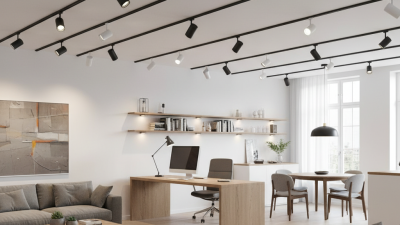
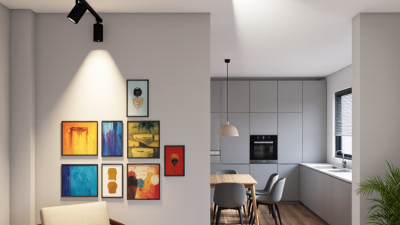
Rail-mounted fixtures support changing layouts across stores, hotels, galleries, and exhibitions. Installers can aim each head toward a display, table, or sculpture without rebuilding the ceiling. For global projects, teams should also verify photometric data, driver compatibility, and local electrical requirements. Real spaces rarely match the computer model perfectly. That is where careful commissioning matters. Even experienced teams sometimes choose too narrow a beam. Reflection helps. A 90+ CRI solution works best when color quality, visual comfort, maintenance access, and the room’s actual purpose are evaluated together.

Why Choose LED Rail Lights for Global Projects? — Lighting Quality: CRI 90+ Supports Retail, Hospitality, and Museum Applications
Application Recommended CRI Recommended R9 Typical CCT Typical Beam Angle Recommended Illuminance Lighting Quality Considerations
Fashion Retail CRI 90 or higher R9 50 or higher 3000–4000 K 15°–36° 500–1,000 lux High color fidelity helps fabrics, skin tones, and product colors appear more natural. Adjustable rail-mounted fixtures support frequent merchandising changes.
Jewelry Retail CRI 90 or higher R9 50 or higher 3000–4000 K 8°–24° 750–2,000 lux Narrow beams can create controlled sparkle and visual emphasis. Accurate color rendering is important for gemstones, metals, and precious materials.
Hotels and Restaurants CRI 90 or higher R9 50 or higher 2700–3500 K 24°–60° 100–500 lux Warm white light can support a comfortable atmosphere, while high CRI improves the appearance of food, table settings, furnishings, and guest interiors.
Art Galleries CRI 90 or higher R9 50 or higher 3000–4000 K 15°–36° 150–500 lux Use precise optics and careful aiming to reduce spill light. Dimming and low-glare performance help adapt illumination to different exhibits.
Museums and Heritage Displays CRI 90 or higher R9 50 or higher 2700–4000 K 15°–36° 50–200 lux High color quality supports accurate viewing, while low ultraviolet and infrared emissions and controlled exposure are important for sensitive collections.
Showrooms and Exhibitions CRI 90 or higher R9 50 or higher 3000–4000 K 24°–45° 300–750 lux Track positioning and interchangeable beam options make it easier to highlight products, displays, and temporary installations without major rewiring.
Technical note: Values shown are typical design recommendations rather than universal requirements. Final selections should consider local regulations, conservation limits, surface reflectance, mounting height, glare control, dimming compatibility, and the photometric data of the selected luminaire.

Global Compliance: Modular Tracks Support 100–240V Systems and Safety Standards

Why Choose LED Rail Lights for Global Projects?

Global lighting projects face different voltages, installation methods, and safety requirements. LED rail lights offer a practical response because many systems support 100–240V input ranges. This flexibility helps one lighting design serve offices, retail spaces, and hospitality sites across several regions. However, voltage compatibility does not guarantee full compliance. Local regulations still matter.

Modular tracks simplify adaptation during installation. Electricians can adjust track lengths, connectors, and fixture positions without rebuilding the entire ceiling layout. Many projects also require protection against electric shock, overheating, and accidental contact. Products should provide clear electrical ratings, grounding instructions, and tested insulation performance.

The label is not a passport.

Relevant standards may include IEC 60598 requirements, while regional approvals can differ. The project engineer must verify each requirement before ordering.

Site checks remain essential. A 230V installation may need different connectors than a 120V project. Track polarity, circuit loading, dimming compatibility, and emergency lighting rules can also affect the final design.

In practice, teams sometimes focus on the 100–240V range and overlook local mounting conditions. That mistake is small but costly. A reliable specification should identify the supply voltage, frequency, protection class, certification documents, and installer qualifications. It should also leave room for revision, because drawings and site conditions rarely match perfectly. Safety is not only a product feature; it is a documented process.

Our story

When The Light Went On

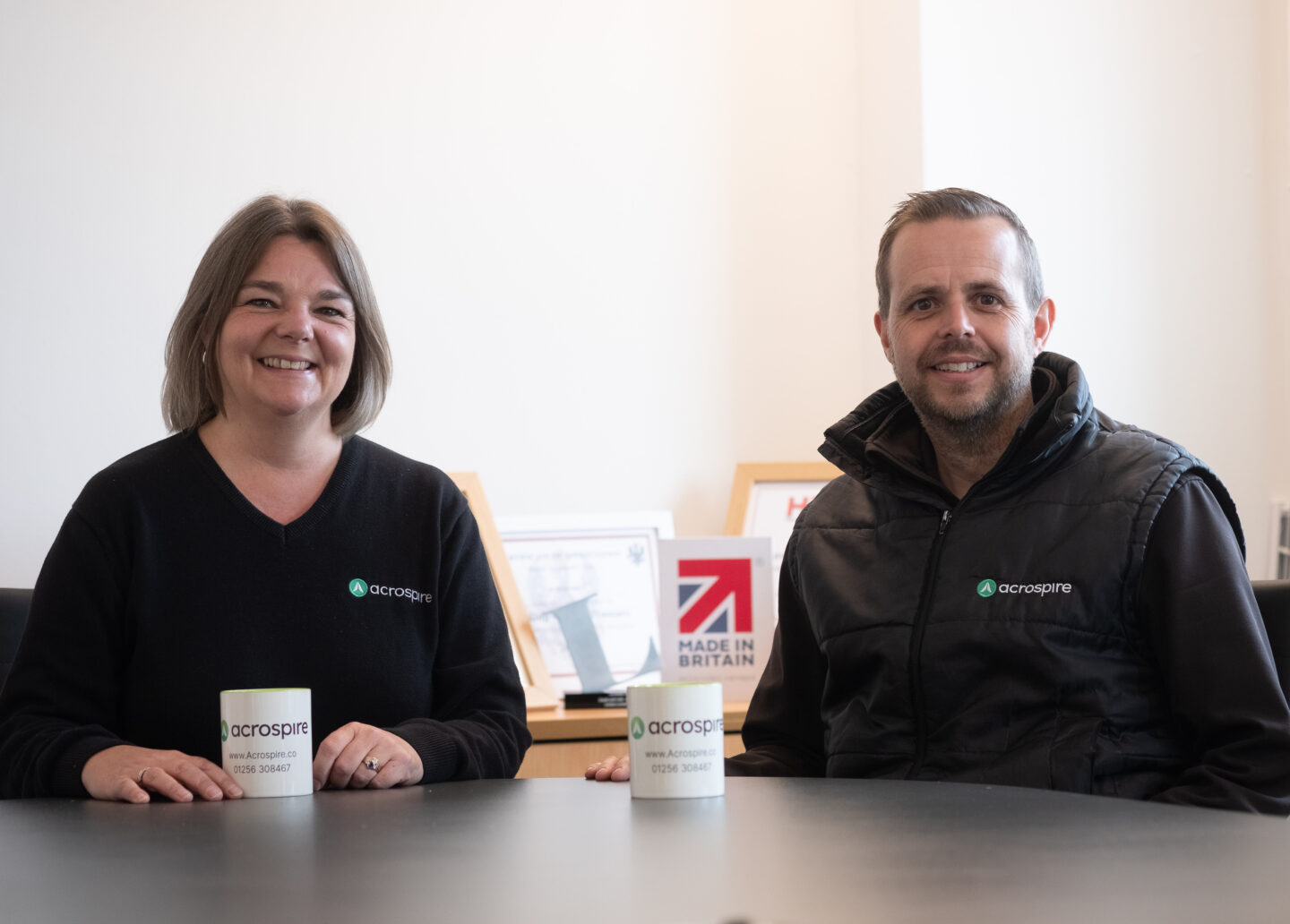
The idea for Acrospire was formed in 2012 when founder Tim envisioned a different kind of lighting manufacturer: one that would not only deliver outstanding customer experiences but also prioritise fair treatment for its employees.

We’ve come a long way

Working from any nook and cranny we could find

Motivated by the belief the industry wanted and needed better, Tim shared his plan to establish his own venture with Hatty, who simply couldn't let him do it alone.

The rest, as they say, is history.

Protecting local jobs and ensuring the best quality possible.

The products sold should, where possible be manufactured here in the UK

Working from a rented office by day and assembling lanterns in a garage at night, Tim and Hatty set to work.

11 Years later

and a lot has changed

Acrospire now inhabits a 14000² ft manufacturing facility in Basingstoke, Hampshire. We’re a proud partner of the Made in Britain scheme, ISO9001 certified and a member of all relevant lighting industry trade bodies.

We've built a reputation to be proud of

Along with great relationships with our customers and a great team! We've attracted some of the most experienced members of the lighting industry, all by following one golden rule.

A simple ethos

Creating work to be proud of

That runs through all that we do. Customers who have made the switch to Acrospire have found working with us to be a breath of fresh air.

Market leading warranty

If you’re a professional in the lighting industry, you’re probably familiar with warranties that range from 3 to 10 years, with extensions available on special request or at additional cost. At Acrospire, where we’re proud to be different, we offer a market-leading simple 12-year warranty, as standard.

Tight Control on Quality

We focus on our customers not our competition. We manufacture our products in the UK: with the exception of our solar products, our supply chain is within a 60-mile radius of our factory in Basingstoke: to maintain greater control over quality. We al

Speed is key

Speed of response is crucial when it comes to resolving warranty issues. If we’ve made a mistake, we own it, get to the root cause, and fix it as quickly as possible. We believe in timely communication with our customers and making the resolution pro

Test and Test Again

We believe in independent testing and certification. Our new product development is in line with ISO 9001. Many of our products hold ENEC Certification. To meet the requirements of ENEC we also send random product samples for third party safety testi

Quality by design

Our product design is another key factor in our ability to offer a 12-year warranty. We value engineer rather than cost cut, never compromising on quality. We stick to our processes and engage with our supply chain to ensure that every product meets