How to Choose the Best Track Lights for Your Space?
Choosing the best track lights for your space involves more than selecting an attractive fixture. The right system must balance brightness, beam control, ceiling height, room size, and daily comfort. A narrow beam can highlight artwork beautifully, but it may create harsh shadows across a dining table. A wider beam spreads light gently through kitchens, hallways, and living areas. Small details matter.
Begin with the room’s purpose. A reading corner needs focused illumination, while a gallery wall benefits from adjustable heads and accurate color rendering. Check lumens instead of relying only on wattage. Consider a color temperature around 2700K for a warm lounge, or 3000K for a cleaner kitchen atmosphere. High CRI track lights can reveal fabric, wood, and artwork with more natural color. They also deserve careful positioning, because even excellent lighting can cause glare when aimed toward eye level.
Practical installation experience teaches one lesson: measurements prevent expensive changes later. Confirm the track length, power location, ceiling material, and compatible dimmer before ordering. Always review manufacturer instructions and consult a qualified electrician for wiring or load questions. Safety standards and local electrical requirements should guide the final installation.
There is no perfect formula.
A thoughtful choice may still need adjustment after installation. One head could illuminate a sofa too strongly, or a planned beam might miss the artwork by several inches. Treat the process as practical refinement, not guesswork. This guide explains how to compare track lights with confidence, avoid common selection mistakes, and create lighting that feels intentional rather than merely bright.
Define Your Space’s Lighting Needs and Track Light Purpose
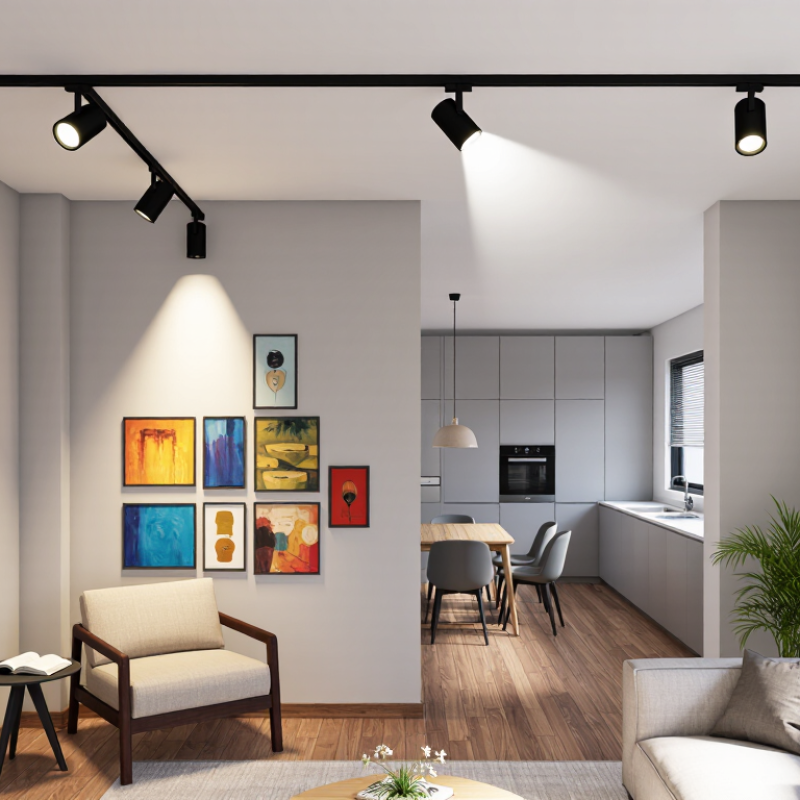
Before comparing track lights, define what your space must accomplish. A kitchen needs clear task lighting over counters, not just attractive ceiling accents. In a living room, softer beams can highlight artwork while preserving comfortable ambient light. Walk through the room at night. Note dark corners, glare on screens, and surfaces that need accurate color. This quick check often reveals more than a floor plan. Measure ceiling height and room length. A low ceiling may need compact heads with wider beams. High ceilings can accept adjustable fixtures with stronger focused output. Still, stronger is not always better.
Give each track light a clear job. Use narrow beams for shelves, paintings, or a dining centerpiece. Choose wider beams for worktops and circulation areas. If people move beneath the track, adjustable heads should direct light away from eye level. For reading areas, place the beam beside or slightly behind the user. This reduces shadows across the page. Select color quality carefully, especially in kitchens, studios, and dressing areas. A high color-rendering rating helps food, fabrics, and finishes appear more natural. Warm light usually suits relaxed rooms, while neutral light supports detailed work. Your preference matters. Test samples, because labels cannot show every wall color accurately.
Plan switching and dimming around the lighting purpose. One circuit may be too blunt for a large open room. Separate task, accent, and general lighting when possible. I have seen well-lit rooms feel harsh because every head pointed downward at maximum output. That mistake is easy to make. Leave room for adjustment. Furniture changes, artwork moves, and yesterday’s perfect beam may miss tomorrow’s focal point. Check installation guidance and local electrical requirements before fitting the system. Maybe the simplest arrangement will serve you best.
Choose the Right Track System for Your Ceiling and Layout
How to Choose the Best Track Lights for Your Space?
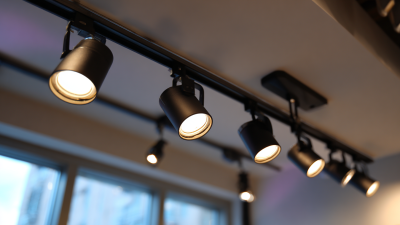
Choosing track lights starts with your ceiling, not the fixture’s appearance. A concrete ceiling may need surface-mounted tracks and suitable anchors. Plasterboard usually requires stronger fixing points behind the panel. Sloped ceilings may need adjustable connectors or a suspension system. Measure the room carefully, including ceiling height, furniture placement, and walking paths. A straight track suits narrow rooms, while an L-shaped layout can follow kitchen counters or seating areas.
Tips: Mark the proposed track with painter’s tape before drilling. Stand beneath it and check the beam direction. Leave enough clearance from cabinet doors, fans, and tall furniture. For heavy fixtures or uncertain wiring, consult a qualified electrician. Electrical standards differ by location.
Track length and circuit type also affect daily use. One circuit keeps the room visually simple, but separate circuits allow task and ambient lighting to work independently. I once placed a track too close to a wall, creating harsh shadows on artwork. Moving it only a few inches improved the result. That mistake reminded me that spacing matters more than symmetrical drawings. Choose adjustable heads when the layout may change. Fixed heads can look neat, but they offer less flexibility. Warm light often feels comfortable in living areas, while neutral light can support detailed work. Check the product’s load rating and installation instructions before purchase. The best system should fit the ceiling securely and serve the room naturally.
How to Choose the Best Track Lights for Your Space? - Choose the Right Track System for Your Ceiling and Layout
Compare common track-lighting options by ceiling type, layout, electrical system, light distribution, and typical application.
| Track System | Best Ceiling or Layout | Typical Electrical Specification | Typical Fixture Load | Common Beam Angles | Light Direction | Recommended Applications |
|---|---|---|---|---|---|---|
| Single-Circuit Track | Straight ceiling layouts where all fixtures switch together | Usually line voltage; commonly 120 V or 230 V, depending on region | Often 5–30 W per LED head; verify the track and adapter rating | 15°–60° | Adjustable aiming, commonly about 90° vertical and 350° horizontal | Bedrooms, hallways, small retail areas, and general accent lighting |
| Two-Circuit Track | Spaces needing separate lighting scenes or zones | Two independently controlled circuits; line-voltage or low-voltage versions are available | Commonly 5–30 W per LED head; total capacity depends on the system rating | 15°–60° | Flexible aiming with independent switching by circuit | Living rooms, galleries, boutiques, and display-focused interiors |
| Monorail Track | Curved, suspended, or visually customized ceiling layouts | Usually low voltage, often 12 V or 24 V, with a remote or integrated transformer | Commonly 4–25 W per fixture; transformer capacity must exceed the connected load | 20°–60° | Adjustable heads; some systems support pendant-style fixtures | Modern homes, hospitality spaces, curved counters, and feature ceilings |
| Recessed Track | New construction or ceilings that can accommodate a recessed channel | Line voltage or low voltage; installation requires compatible recessed housing and wiring | Typically 5–30 W per LED head, subject to the track rating | 15°–45° | Directional heads with a low-profile appearance | Minimalist interiors, offices, galleries, and newly renovated spaces |
| Surface-Mounted Track | Concrete, finished, or existing ceilings where recessing is impractical | Commonly line voltage; some versions use a separate low-voltage driver | Often 5–30 W per LED head; confirm mounting and electrical limits | 15°–60° | Adjustable heads mounted directly below the ceiling | Apartments, retail stores, renovations, and exposed concrete ceilings |
| Suspended Track | High ceilings, open-plan rooms, and areas requiring a lower lighting plane | Line voltage or low voltage, depending on the selected track and driver | Commonly 5–40 W per fixture; check suspension and track load limits | 20°–60° | Adjustable heads or linear modules directed toward work surfaces | Dining areas, offices, studios, restaurants, and double-height rooms |
Select Beam Angles, Brightness, and Color Temperature
How to Choose the Best Track Lights for Your Space?
Select Beam Angles, Brightness, and Color Temperature
Beam angle controls how widely light spreads across a room. Narrow beams, around 15 to 30 degrees, highlight artwork, shelves, or architectural details. Medium beams, between 36 and 45 degrees, suit kitchen counters and dining areas. Wider beams create softer coverage for living rooms. I usually test one fitting before installing several. A beam that looks balanced on paper may create harsh shadows at home.
Brightness should match the task, surface color, and ceiling height. A reading corner needs more useful light than a hallway. Light-colored walls reflect more illumination, while dark finishes absorb it. Check lumens rather than wattage, because wattage measures energy use, not visible brightness. Dimming helps, but not every dimmer works smoothly with every fixture. This is easy to overlook.
Color temperature changes the room’s mood and visual accuracy. Warm white, near 2700K to 3000K, feels comfortable in bedrooms and lounges. Neutral white, around 3500K to 4000K, supports kitchens, offices, and work areas. Very cool light can appear sharp and tiring indoors. I once selected a cooler setting for a workspace and later found the room felt sterile. Test samples beside your furniture, flooring, and natural daylight. Lighting decisions deserve a second look.
Match Fixture Styles and Finishes to Your Interior Design
How to Choose the Best Track Lights for Your Space?
Track lights should support your interior style, not compete with it. Start by studying the room’s dominant shapes, colors, and materials. In a modern space, slim fixtures with matte black, white, or brushed metal finishes create a clean appearance. Traditional rooms often benefit from warmer metals, softer curves, and more detailed housings. For industrial interiors, dark finishes and exposed mechanical details can feel intentional. Keep the visual language consistent.
Small choices matter. A black fixture may look elegant against a pale ceiling, but it can feel heavy in a compact room. I once selected a polished finish for a bright kitchen, then noticed every reflection near the worktop. It looked attractive in the showroom. At home, it was distracting. Samples help.
Tips: Compare fixture finishes beside your flooring, cabinet handles, and wall color. Use warm bulbs with brass or bronze finishes for a softer mood. Choose neutral white or black when the room already has strong decorative details. Check the track from different angles. Ceiling height matters. A finish that seems subtle at eye level may become the room’s strongest feature overhead. Avoid matching every metal perfectly; slight contrast can add depth, though too many finishes may appear accidental.
Plan Installation, Adjustability, and Long-Term Maintenance
Choosing track lights starts with the installation plan, not the fixture finish. Mark beam locations on the ceiling before drilling. Leave enough space for junction boxes, drivers, and future access. In my installation experience, crowded tracks make cleaning and repairs unnecessarily difficult. The International Energy Agency reports that lighting uses about 15% of global electricity. Efficient LED track lights can reduce operating demand significantly. The U.S. Department of Energy states that LEDs use at least 75% less energy and last up to 25 times longer than incandescent lighting.
Adjustability matters when furniture, artwork, or work areas change. Select heads that tilt vertically and rotate horizontally without scraping the track. A 24-degree beam can highlight a narrow painting, while a wider beam suits a dining table. Test the light at night, because daytime impressions can be misleading. Dimming also improves comfort, but the dimmer and driver must be compatible. Otherwise, flicker or buzzing may appear. Small details matter.
Maintenance should be planned before installation. Keep a clear path for removing each head, and record the color temperature and wattage. Dust gathers around ceiling-mounted fixtures, especially above kitchens. Wipe lenses with a dry microfiber cloth after switching power off. LED products usually need fewer replacements, yet “maintenance-free” is an imperfect promise. Drivers can fail before the light source. I have seen attractive installations become frustrating because spare components were unavailable. Choose standard specifications and leave a little room for future changes.
Related Posts
-
What Are the Top 10 Types of Track Lights for Global Buyers?
-
2026 Best Track Lights for Home and Office Lighting Solutions?
-
Maximizing Your Investment in Best Track Lights with Exceptional After Sales Support and Maintenance Tips
-
Top Strategies for Choosing the Best Track Lights for Your Space
-
Why Are Track Lights the Best Choice for Modern Lighting Solutions?
-
Top 10 Rail Light Products for Your Global Sourcing Needs?