How to Use Red Light Therapy for Maximum Benefits?
Red Light Therapy has gained popularity in recent years for its potential health benefits. Many are drawn to its claims of improved skin, reduced inflammation, and enhanced recovery. However, the effectiveness of this therapy often relies on proper usage. Knowing how to implement Red Light Therapy can significantly influence the outcomes.
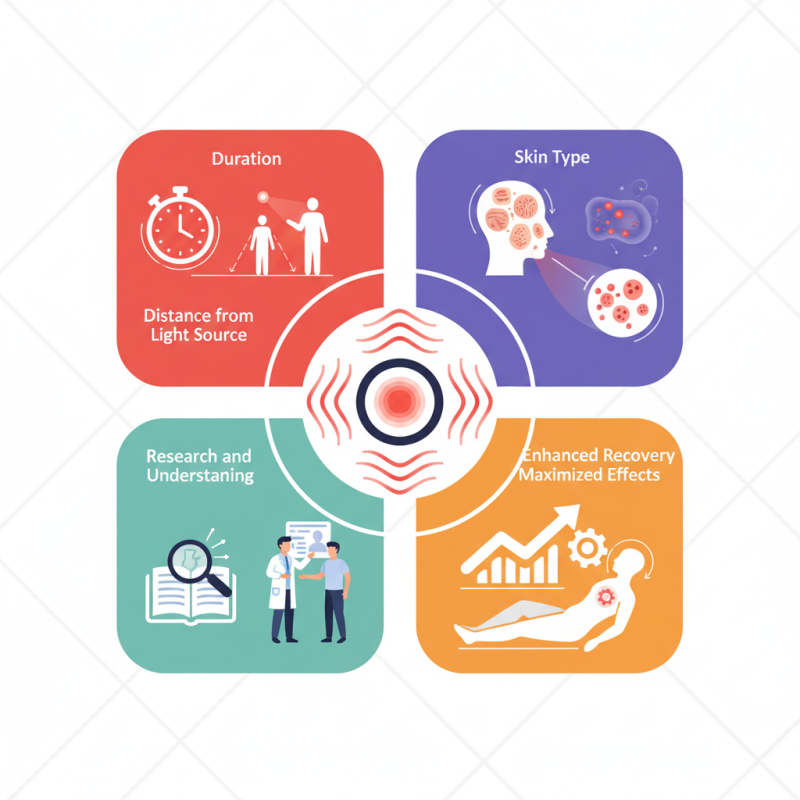
This therapy utilizes specific wavelengths of light to penetrate the skin. This stimulates cellular processes and promotes healing. Yet, not everyone achieves the desired results. Factors like duration, distance from the light source, and skin type can affect effectiveness.
Users should approach Red Light Therapy with realistic expectations. It's essential to research and understand its principles. Consulting with professionals can enhance its benefits. Experience and expert guidance are crucial for maximizing the effects of Red Light Therapy.
Understanding Red Light Therapy: Basics and Mechanisms
Red light therapy (RLT) has gained popularity for its potential health benefits. It involves exposure to low-level wavelengths of red light. This therapy can stimulate cellular function and promote healing. Research indicates that RLT may reduce inflammation and improve skin conditions. A study published in the Journal of Photochemistry and Photobiology found a 30% improvement in skin complexion after consistent use over several weeks.
The mechanism behind RLT is intriguing. It works by stimulating mitochondrial activity, resulting in increased ATP production. More ATP means more energy for cells to repair and regenerate. A report from the National Institutes of Health noted that RLT might enhance collagen production, which could benefit aging skin. Users often report a sense of warmth during therapy, which can be calming and soothing. However, while many find benefits, not everyone experiences noticeable results. For some, it may take time or specific conditions to see improvements.
Understanding these mechanisms enhances our appreciation of red light therapy. Yet, individual responses can vary significantly. Users might need to experiment with the duration and frequency of sessions to find what works best. Setting realistic expectations is essential. The effectiveness of RLT may depend on factors like skin type and overall health. This variability invites a deeper exploration into how light waves interact with our biology.
Identifying the Health Benefits of Red Light Therapy
Red light therapy has gained attention for its potential health benefits. Research indicates that it can enhance cellular performance and support tissue healing. A study published in the Journal of Photomedicine found that red light therapy may reduce inflammation, which plays a crucial role in numerous chronic conditions. This is particularly relevant given that chronic inflammation is linked to diseases like arthritis and heart disease.
Another important aspect is its effect on skin health. Data from a clinical review shows that regular red light therapy can improve skin texture and reduce wrinkles. Many users report enhanced collagen production after treatment. This can lead to a more youthful appearance. However, results can vary based on the device used and treatment duration.
While many find success with red light therapy, it’s not a one-size-fits-all solution. Individual responses differ significantly. Some users may need multiple sessions to see noticeable improvement. It’s essential to approach this therapy thoughtfully and seek guidance from health professionals. Consider personal health goals and talk about any concerns prior to starting.
Choosing the Right Equipment for Red Light Therapy
When delving into red light therapy, selecting appropriate equipment is crucial. Not all devices are the same, so understanding your needs is essential. Look for well-reviewed devices that offer the right wavelengths, typically between 600 to 900 nm. This range is proven effective for skin rejuvenation and muscle recovery. Consider your treatment purpose; for instance, handheld devices can target specific areas, while larger panels are suitable for full-body sessions.
Tips: Check user reviews from reliable sources. This can help you understand the effectiveness of different models. Look for clear product specifications. A reliable device should clearly state its power output and wavelength.
Consider the size and portability of the device. Not everyone has the luxury of a dedicated space for therapy. A compact unit can be ideal for at-home use without causing clutter. Additionally, examine the warranty options. A longer warranty may indicate a manufacturer’s confidence in their product's durability.
Remember, high price does not always mean high quality. Research is essential to avoid gimmicks. In some cases, cheaper alternatives may provide similar benefits. This journey of finding the right equipment can be filled with trial and error. Reflect on your experiences, as they can guide you in making better choices for your therapy practices.
Effective Usage Techniques for Maximum Results
Red light therapy has gained attention for its numerous health benefits. To use it effectively, understanding your goals is crucial. Are you aiming for better skin, reduced pain, or improved muscle recovery? Tailoring your approach based on your objectives can yield better results.
Choosing the right device is essential. Ensure it emits the correct wavelengths for your needs. Most devices work best in a dimly lit environment, allowing the light to penetrate deeper into the skin. Sessions typically last between 10 to 20 minutes. Consistency is key; frequent use allows the body to harness the light’s full potential.
Body positioning matters too. Make sure that the light source is directed towards the area of concern. If your focus is on joint pain, target that specific joint. The distance from the device can also affect effectiveness. Experimenting with distance can lead to optimal results. Many people find that their results vary with usage patterns and commitment over time. Reflecting on your experiences can guide improvements to your routine.
Safety Precautions and Considerations in Red Light Therapy
Red light therapy (RLT) shows promise for improving skin health and reducing inflammation. However, safety precautions are crucial. According to a 2021 study published in the Journal of Biophotonics, improper use of RLT could result in skin burns or adverse reactions. Users should always wear protective eyewear when using devices that emit red light. This measure helps shield the eyes from potential harm.
People with certain medical conditions must exercise caution. For instance, individuals with light sensitivity or autoimmune disorders should consult a healthcare provider prior to starting RLT. A 2020 review in the Journal of Clinical Medicine highlighted that not all skin types respond similarly. Results may vary due to skin pigmentation and underlying health issues. It's essential to recognize these differences and adjust usage accordingly.
Finally, it's wise to start with short sessions. Gradually increase exposure to identify one's comfort level. Overexposure can lead to diminishing returns and potential risks. Monitoring skin reactions is beneficial. Keeping a journal may help users track their experiences. Making informed decisions can maximize benefits while ensuring safety in red light therapy.
How to Use Red Light Therapy for Maximum Benefits? - Safety Precautions and Considerations in Red Light Therapy
| Aspect | Details |
| Wavelength | 600-650 nm (red light), 800-850 nm (near-infrared) |
| Session Duration | 10-20 minutes per session |
| Frequency | 3-5 times per week |
| Skin Preparation | Clean skin, free of lotions and makeup |
| Distance from Device | 6-12 inches for optimal effect |
| Safety Precautions | Avoid looking directly into the light, wear protective eyewear |
| Conditions Treated | Acne, wrinkles, pain relief, inflammation reduction |
| Consultation Requirement | Consult with a healthcare provider for specific conditions |