How to Choose Transparent Led Film for Your Projects?
As industries increasingly embrace innovative technologies, the demand for Transparent LED Film continues to grow. According to a recent market report by Grand View Research, the global market for transparent LED displays is projected to reach $18 billion by 2025, highlighting its rising popularity across sectors like retail and advertising. Transparent LED Film allows seamless integration into various surfaces, enabling stunning visual experiences.
Experts like Dr. Emily Hawthorne, a renowned figure in the display technology field, emphasize the unique attributes of Transparent LED Film. She states, "Its ability to merge with architectural designs transforms how brands engage with consumers." The versatility of this technology can enhance marketing strategies.
Choosing the right Transparent LED Film for specific projects is crucial. Factors such as transparency level, pixel pitch, and environmental durability must be considered. These elements significantly impact overall performance and visual appeal. An informed decision requires careful evaluation of project requirements and available options.
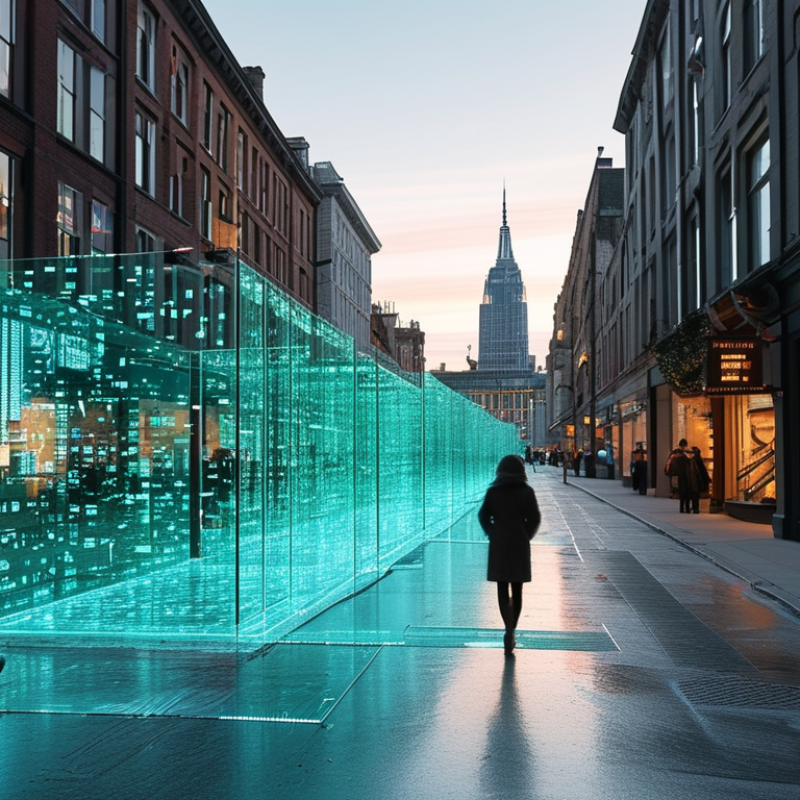
Factors to Consider When Selecting Transparent LED Film
When selecting transparent LED film for your projects, several factors come into play. Transparency level is crucial. A film with high transparency ensures that viewers can see both the images and the surroundings clearly. According to a 2022 industry report, films with over 90% transparency are becoming increasingly popular in retail and advertising sectors. This clarity allows businesses to effectively capture customer attention while maintaining the aesthetics of their environments.
The flexibility and thickness of the LED film also matter. Thinner films can conform to various surfaces, making installation easier. A study noted that films less than 0.5mm have increased popularity due to their lightweight nature. However, thinner films may sacrifice durability. Weighing flexibility against longevity is essential. Additionally, consider the brightness levels. A brightness of 800-1200 nits is adequate for indoor spaces, while outdoor settings might require more. Overlooking these details could result in a subpar visual experience, which can negatively affect project goals.
Lastly, power consumption is a vital consideration. The average efficiency of transparent LED films is improving, with some achieving more than 75% energy efficiency. However, not all products meet this standard. Selecting films with better efficiency can reduce long-term costs, but achieving the perfect balance between cost and quality requires careful consideration.
Types of Transparent LED Film Available in the Market
When considering transparent LED film, it's crucial to understand the various types available. The market features flexible LED film, which is versatile and easy to install. This film typically ranges from 1.5 to 3 millimeters thick, making it ideal for unique surfaces. Rigid transparent displays are also an option, offering a sturdier installation that's suitable for high-traffic areas. Recent industry reports indicate that flexible LED technology is projected to grow at a rate of 15% annually, reflecting its rising popularity.
Another option is transparent OLED displays. Though more expensive, they provide superior image quality. The transparency level can reach up to 85%, allowing for stunning visuals without obstructing the view. According to a market analysis by leading tech firms, the demand for OLED technology will likely increase as integration with other smart technologies becomes common.
Tips: Always assess the installation environment. Consider factors like sunlight exposure, weather conditions, and temperature fluctuations. Testing sample pieces can help determine the right choice. Remember, not every transparent LED film will perform well under all circumstances. Ensure your project aligns with the specific features and limitations of the film you're considering.
Assessing the Technical Specifications of LED Film Products
When choosing transparent LED film for projects, understanding technical specifications is crucial. Key specifications include brightness, resolution, and transparency. Brightness affects visibility in various lighting situations. Higher brightness is essential for outdoor installations. Meanwhile, resolution influences the clarity of images displayed. A higher resolution allows for more detailed visuals, which is vital in advertising.
Transparency is another major factor. It determines how well the film blends with its surroundings. Some projects may need a higher transparency percentage to maintain visibility through the film. However, achieving the right balance can be challenging. Too much transparency can reduce the effectiveness of the display.
Durability and flexibility are essential as well. The material should withstand different environmental conditions, ensuring longevity. Additionally, consider the installation process. Some films are easier to apply than others, which impacts project timelines. Reflecting on these aspects can help select the ideal product. Each choice may bring unforeseen challenges, making thoughtful selection paramount.
How to Choose Transparent Led Film for Your Projects? - Assessing the Technical Specifications of LED Film Products
| Specification | Value | Notes |
| Transparency Level | 80% - 90% | Higher transparency allows better visibility. |
| Operating Temperature | -20°C to +50°C | Suitable for various environments. |
| Brightness | 600 - 1200 nits | Better performance in bright daylight. |
| Pixel Pitch | 2.5mm - 10mm | Determines the image sharpness. |
| Weight | < 1 kg/m² | Lightweight for easy installation. |
| Power Consumption | < 150 W/m² | Energy-efficient design. |
| Lifespan | > 50,000 hours | Long-lasting performance. |
Evaluating the Cost-Effectiveness of Transparent LED Solutions
When evaluating the cost-effectiveness of transparent LED solutions, several factors come into play. One major aspect is the initial investment versus long-term savings. Transparent LED films often have a higher upfront cost compared to traditional lighting options. However, they can lead to significant savings on energy bills. Their energy efficiency is particularly beneficial in high-traffic areas, where they are frequently used.
Another consideration is maintenance costs. Transparent LED solutions typically require less maintenance, which can reduce long-term expenses. They have a longer lifespan than conventional lighting. This longevity helps justify the initial expenditure. Businesses should analyze their specific needs before making a decision. Choosing the right product involves balancing these costs with the unique benefits of transparent LED technology.
It's essential to consider potential drawbacks as well. Not every project suits transparent LED films. Environmental factors, such as glare or ambient light, can affect their visibility. It's wise to test and evaluate these solutions in your specific setting before investing fully. Proper assessment helps identify if the solutions will meet your project demands effectively.
Application Scenarios for Transparent LED Film in Projects
Transparent LED film is gaining traction across various projects. These films provide flexibility and innovation in display technology. Their application in retail environments is noteworthy. For instance, studies indicate that use of transparent displays can increase customer engagement by 45%. This statistic underscores the importance of captivating visuals in attracting potential buyers.
In architectural projects, transparent LED films serve dual purposes. They can enhance aesthetics while delivering information. Facade displays in urban areas are a prime example of this practice. Another report suggests that incorporating such technology can improve brand visibility by 30%. However, one must consider the lighting conditions to maximize effectiveness. Illumination can significantly affect how the content is perceived.
Additionally, the integration of transparent LED films in events and exhibitions is on the rise. Their lightweight and adaptable nature allows for creativity in display design. Yet, there are challenges. Poor installation can lead to issues with quality and durability. Proper training and expertise are vital to achieve the desired results in project execution. Paying attention to these details can result in a compelling display.