Top 10 Tips for Choosing a Solar MPPT Controller?
Choosing the right Solar MPPT controller can significantly impact your solar energy system’s efficiency. These devices optimize energy capture and enhance battery performance. However, selecting one isn’t straightforward. Many options exist, each with specific features and specifications.
Understanding your needs is crucial. Not every Solar MPPT controller suits every setup. Factors like system size, battery type, and location matter. Reflect on your energy consumption patterns. Are you off-grid or grid-tied? Such decisions steer you toward the best choice.
Moreover, consider budget constraints and brand reputation. Investing in a high-quality controller often leads to long-term savings. However, balancing cost and features can be tricky. Some features may sound appealing but turn out unnecessary. The goal is effective energy use, not just acquiring the latest model. Take the time to analyze your options. Each decision counts toward achieving a successful solar setup.
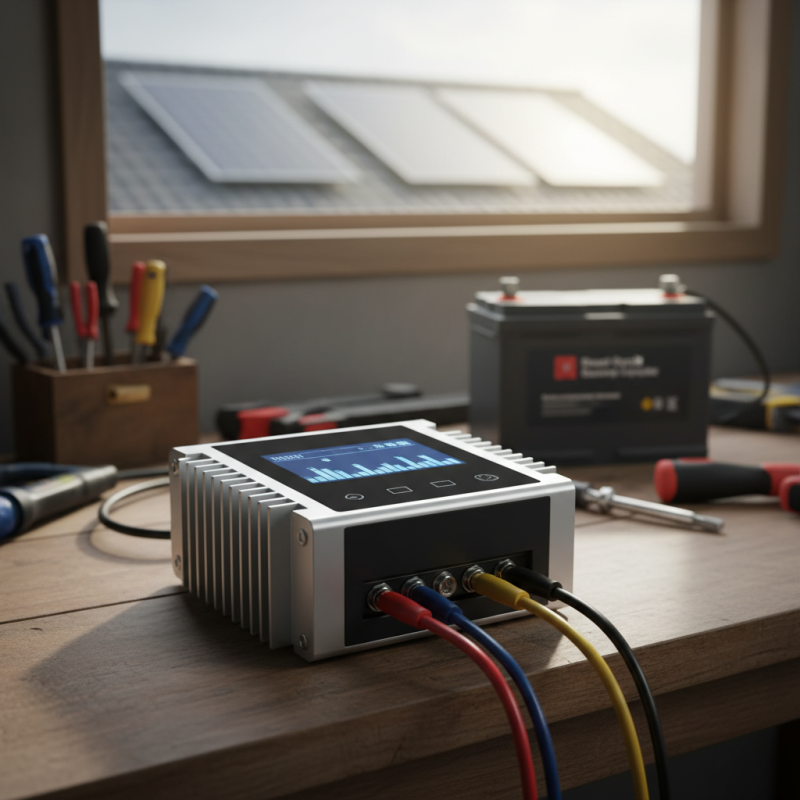
Understanding the Basics of Solar MPPT Controllers and Their Importance
Solar MPPT (Maximum Power Point Tracking) controllers play a vital role in solar power systems. They optimize the energy harvested from solar panels by adjusting the electrical operating point. According to a report by the National Renewable Energy Laboratory, MPPT technology can increase the efficiency of solar systems by up to 30%. This improvement can significantly boost energy output for homeowners and businesses alike.
Understanding MPPT controllers is essential for anyone looking to invest in solar energy. These devices can help maximize the performance of solar installations in diverse weather conditions. For instance, cloudy days reduce sunlight intensity, but an MPPT controller can adjust and continue to extract valuable energy. Nevertheless, many users overlook the importance of selecting the right controller. The wrong choice can lead to inefficiencies and energy loss. A study from EnergySage highlights that poor system design, including MPPT selection, can diminish expected energy benefits by almost 10%.
Choosing an MPPT controller requires careful consideration. Factors like voltage range and current rating determine compatibility with solar panel systems. Unfortunately, newcomers often find this process daunting. Many are unsure about the specifics. Additionally, features such as efficiency ratings or the number of tracking points further complicate the decision. Often, the complexities lead to suboptimal choices that do not harness the full potential of solar energy. Understanding the basics can bridge that gap and allow users to make informed decisions.
Key Specifications to Consider When Selecting a Solar MPPT Controller
When selecting a solar MPPT controller, key specifications play a vital role. One of the most important factors is the input voltage range. Ensure it matches your solar panel array. If the range is too narrow, you’ll lose efficiency. Likewise, check the output current rating. A controller with insufficient current limits may lead to underperformance and overheating.
Another critical specification is the tracking efficiency. Aim for a controller with high tracking efficiency to maximize energy capture during varying sunlight conditions. This affects how much solar energy gets converted into usable power. Thermal management is also essential. A system that gets too hot can fail. Pay attention to heat dissipation features in the design.
Don't overlook the communication options. Some controllers offer advanced monitoring features. This can help you track performance and diagnose issues. On the flip side, overly complex interfaces can confuse users. Simplicity is sometimes preferable. Lastly, look for user-friendly manuals. An unclear manual can lead to misconfiguration. Always consider how easy it is to set up the system.
Evaluating Efficiency Ratings and Their Impact on Solar Energy Harvesting
When selecting a solar MPPT controller, efficiency ratings play a critical role. A study by the National Renewable Energy Laboratory (NREL) indicates that high-efficiency controllers can boost solar energy conversion by over 30%. This means more energy harvested for the same solar input. Efficiency ratings often range from 95% to 99%. Controllers on the higher end of this range typically provide a better return on investment.
Consider the environmental conditions where the solar system operates. Controllers may experience efficiency loss in extreme temperatures or humidity. Reports show a 10% decrease in efficiency when temperatures exceed 60 degrees Celsius. It's essential to choose a controller designed for local conditions, ensuring optimal performance.
Not all efficiency ratings are straightforward. Some controllers might list peak efficiency but fail to maintain it across various conditions. Users often overlook this detail, leading to dissatisfaction later. It's crucial to review real-world performance data, including user reviews and case studies, to gauge reliability. Focus on real metrics beyond just the numbers on a spec sheet. Pay attention to thermal performance and durability under local weather conditions to make a wise choice.
Compatibility with Battery Types: Choosing the Right MPPT for Your Setup
When choosing a solar MPPT controller, battery compatibility is crucial. Different battery types, such as lithium-ion, lead-acid, and gel batteries, require specific charging profiles. Matching the MPPT controller to the battery type ensures optimal performance and longevity.
For instance, lithium-ion batteries benefit from precise voltage control. Using the wrong MPPT controller can lead to overcharging or undercharging. Always check the voltage and current specifications of your batteries. This avoids potential damage and maximizes efficiency.
Another tip is to consider the charging algorithm. Different battery types use different charging methods. Some may require a bulk charge followed by a float charge. Ensure that the MPPT controller can accommodate these needs. This may involve deeper research and comparison of specifications. Sometimes, users overlook these details, leading to inefficient setups.
Balancing compatibility and efficiency is essential. Testing your setup before finalizing is worth it. Small tweaks can make a big difference in performance and battery life. Don't hesitate to ask for advice if needed.
Budgeting for Your Solar MPPT Controller: Cost vs. Features Analysis
When budgeting for a solar MPPT controller, it's essential to balance cost and features. The average price range can vary from $100 to over $600. A comprehensive study indicated that controllers under $200 often lack advanced features, such as dual outputs or monitoring capabilities. These basic units typically provide simpler functionality, which may limit efficiency in larger systems.
Paying extra can mean better quality and performance. Reports have shown that high-end MPPT controllers can increase energy harvesting by up to 30%. Features like temperature compensation and load control play crucial roles in optimizing solar energy. However, not every user needs these features. For smaller systems, a cheaper model might suffice.
Investing in a controller should also reflect future needs. If you plan to expand your solar setup, it’s wise to select a controller that allows for growth. This could be a cost-effective decision in the long run. Remember, quality often comes at a price, but careful selection can lead to meaningful savings. Each user must assess their specific requirements. Focusing solely on initial costs may lead to regrets later.