Top 5 Tips for Choosing a Solar EV Charger Today?
The push for sustainable energy solutions has made the Solar Ev Charger a popular choice. According to the International Energy Agency, the number of electric vehicles is expected to reach 140 million by 2030. As this market grows, the demand for efficient charging solutions will also rise. Top experts emphasize the importance of selecting the right solar EV charger. Dr. Emily Chen, a leading authority in renewable energy technology, states, "Choosing the right solar EV charger is crucial for maximizing energy efficiency."
When searching for a solar EV charger, consider various factors. Compatibility with your electric vehicle is key. The installation process should be manageable for homeowners. Additionally, the charger's efficiency ratings can significantly affect your energy bills. Recent data from SolarPower International indicates that the right charger can reduce energy expenses by up to 30%. While many chargers boast impressive specs, users must assess their unique needs carefully. Rushing into a purchase may lead to suboptimal results, reflecting the need for thorough research.
With numerous options available, making an informed decision is essential. A solar EV charger should align with both your budget and energy requirements. As the market continues to evolve, staying updated on technological advancements will empower consumers for years to come.
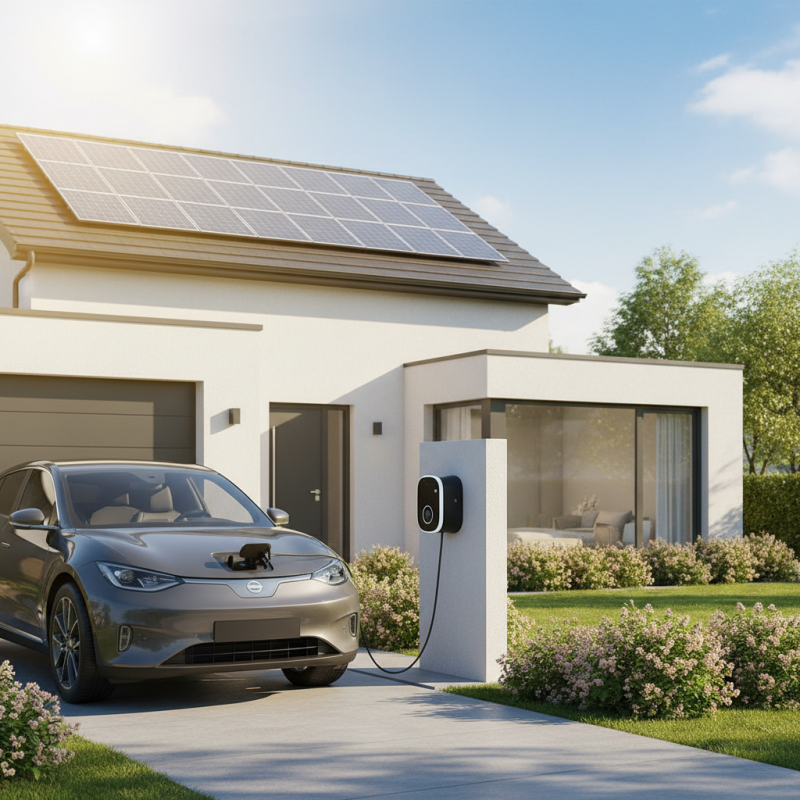
Understanding Your Electric Vehicle Charging Needs
When considering a solar EV charger, it's crucial to understand your electric vehicle's charging needs. Research shows that around 70% of EV owners charge their vehicles at home. This underscores the importance of choosing a charger that meets your daily driving habits and battery capacity. For example, an EV with a 60 kWh battery requires about 8-10 hours for a full charge using a standard Level 2 charger.
Evaluate the charger power output. Many solar chargers range from 3 kW to 10 kW. A higher power output can accommodate larger batteries and reduce charging time. Analyze your usage: if you typically drive short distances, a lower output may suffice. However, if your commute is lengthy, investing in a faster charger is vital.
Consider the installation process as well. Installing a solar EV charger involves technical expertise, often requiring professional assistance. Inadequate installation can lead to inefficiencies or safety hazards. It's also important to assess local regulations regarding solar installations. Compliance ensures reliability and maximum output from your system. Remember, the best charger for you balances performance and practicality, aligned with your EV and solar power setup.
Top 5 Tips for Choosing a Solar EV Charger Today? - Understanding Your Electric Vehicle Charging Needs
| Tip | Description | Considerations |
| Assess Your Energy Needs | Evaluate your driving habits and energy consumption. | Consider daily mileage and charging frequency. |
| Check Compatibility | Ensure the charger works with your EV model. | Consider connector types like Type 1, Type 2, or CCS. |
| Understand Installation Options | Know where and how you can install the charger. | Evaluate wall-mounted vs. free-standing installations. |
| Consider Charging Speed | Check the charging power and speed ratings. | Compare Level 1, Level 2, and DC fast chargers. |
| Look for Smart Features | Explore chargers with Wi-Fi and app capabilities. | Consider monitoring, scheduling, and updates. |
Evaluating Solar Charger Compatibility with Your EV
When evaluating solar charger compatibility with your EV, several factors come into play. Start with the charging connector type. Various electric vehicles use different plug styles, and not all solar chargers support every type. It’s crucial to ensure that the charger matches your vehicle's specifications to avoid future compatibility issues.
Battery capacity is another significant aspect. Solar chargers must be able to deliver adequate power to charge your EV effectively. Check the charger’s output capacity in kilowatts. Consider your EV’s battery size to gauge whether the solar charger can meet your needs. Some solar chargers may not have sufficient power levels for larger batteries.
Finally, assess the solar panel efficiency. Different models use varying technologies, impacting their energy conversion rates. High-quality solar chargers may offer better performance in low sunlight conditions. However, they can be pricier and may not always be necessary. Researching and comparing different models thoroughly can lead to unexpected insights and help you make a more informed choice. It's essential to reflect on your solar charging habits and living conditions before making a decision.
Assessing Solar Panel Efficiency and Output
When considering a solar EV charger, assessing solar panel efficiency is crucial. Efficiency rates can vary significantly, typically ranging from 15% to over 22%. According to the National Renewable Energy Laboratory, higher-efficiency panels generate more power in limited space. This means, for EV charging, more energy in less time.
Another factor is panel output, often measured in watts. A panel producing 300 watts can charge an electric vehicle faster than a panel with a lower output. Some reports indicate that optimal placement and angles can improve output by up to 20%. However, not all locations guarantee high output, particularly in less sunny regions.
It's essential to reflect on local conditions and personal needs. For example, a charger that works well in sunny California might underperform in cloudier regions. Users should weigh these factors carefully. Balancing efficiency and output may reveal trade-offs, like higher costs for premium panels versus potential savings over time.
Top 5 Tips for Choosing a Solar EV Charger Today
This chart represents the average efficiency of solar panels measured in percentages across different types, highlighting their output capabilities based on recent industry data.
Considering Installation Options for Solar EV Chargers
When deciding on the installation of a solar EV charger, various options are available that can align with both your needs and local regulations. Research indicates that around 60% of EV owners prefer a home charging solution, primarily due to convenience and cost savings. Solar chargers can provide a sustainable power source, reducing grid dependency. However, proper site assessment is crucial. Factors like roof angle and shading can significantly influence energy generation.
Additionally, compliance with local building codes and permitting is often overlooked. Some regions have specific guidelines that govern solar installations, including aesthetics and electrical standards. Data from the Solar Energy Industries Association (SEIA) shows that about 30% of installations face delays due to permitting issues. This highlights the importance of thorough research before installation, ensuring everything meets local requirements.
Choosing between a ground-mounted or rooftop solar system is another critical decision. Ground-mounted systems are generally more potent but require ample space. Alternatively, rooftop systems may be more feasible for urban settings. However, availability of sunlight can be a concern for buildings with limited roof exposure. Evaluating both the financial and logistical aspects of installation can lead to a well-rounded decision that boosts efficiency and sustainability.
Analyzing Cost, Incentives, and Long-Term Savings
When considering a solar EV charger, cost is a major factor. Initial investment may seem high. However, it's crucial to look beyond the upfront price. Government incentives can significantly reduce costs. Many programs offer rebates or tax credits. Consulting local regulations and programs is essential for maximizing savings.
Long-term savings often outweigh initial expenses. Solar energy reduces electricity bills over time. You can estimate savings by considering your local energy rates. A reliable charger has the potential to pay for itself in a few years. It's wise to calculate these savings against your expected usage.
The efficiency of your solar system also impacts savings. Not all solar chargers are created equal. Some may require maintenance while others are more durable. Understanding these factors will guide your decision. The landscape of solar technology is changing rapidly. Being informed can sometimes feel overwhelming. It's okay to seek advice from experts in the field.