Top 10 Solar Independent Power Wall Suppliers Worldwide
The global energy market is moving toward smarter, quieter, and more resilient home power systems. Solar Independent Power Wall solutions combine battery storage, solar compatibility, and intelligent energy management. They can support essential loads during outages, reduce evening grid dependence, and improve the value of rooftop solar.
This guide examines ten leading suppliers serving residential and small commercial markets worldwide. Each company is assessed through practical criteria, including usable capacity, battery chemistry, cycle life, safety certifications, warranty terms, software quality, and installer support. Real-world performance also matters. A battery rated for 10 kilowatt-hours may provide less usable energy after reserve limits and system losses. That detail is easy to miss.
The comparison considers product design, manufacturing transparency, technical documentation, and customer service evidence. It also reviews how suppliers address temperature control, remote monitoring, maintenance, and end-of-life planning. These factors often influence ownership more than headline capacity. Quiet operation matters in a garage. So does clear warranty language.
No ranking stays perfect.
Market availability changes quickly, and regional certifications may differ. Some suppliers publish extensive performance data, while others provide limited independent testing. Therefore, this list should guide research rather than replace professional evaluation. Buyers should confirm local installation requirements, grid compatibility, delivery timelines, and after-sales support before purchasing. An experienced installer can also check roof generation, household load patterns, and backup priorities. The strongest Solar Independent Power Wall is not always the largest one. It is the system that fits the site, budget, climate, and daily energy behavior with dependable evidence behind it.
Solar Independent Power Walls: Definition, Features, and Core Technologies
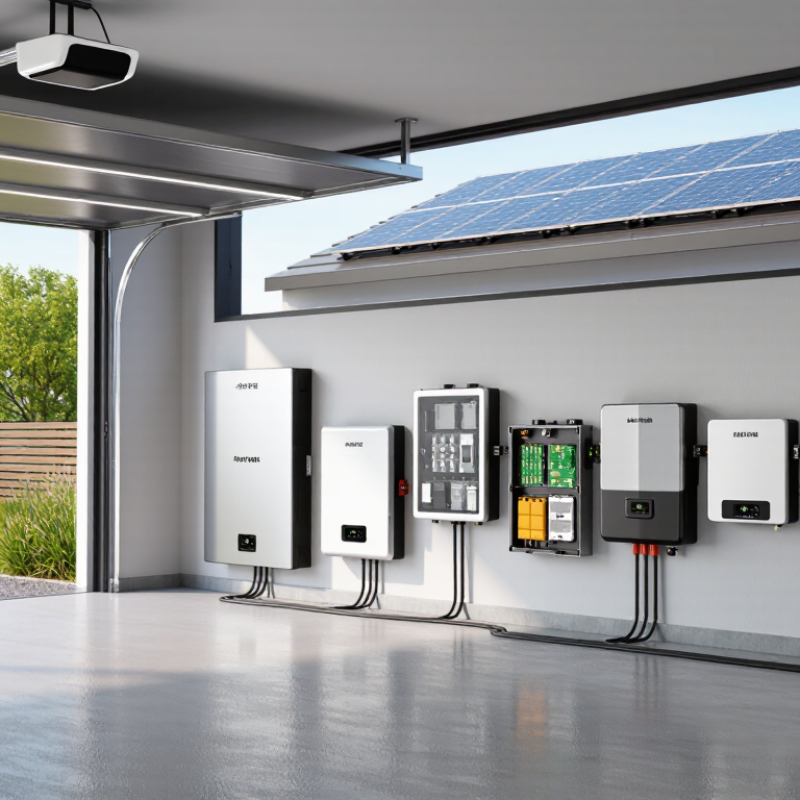
A solar independent power wall is a home energy system that stores electricity from rooftop panels for use when sunlight fades. The wall-mounted battery cabinet often combines battery modules, a battery management system, and power conversion equipment. In some installations, the inverter sits inside the cabinet; in others, it is separate. The exact layout matters.
During daylight, solar panels produce direct-current electricity. A maximum power point tracking controller helps capture changing panel output, while an inverter converts power for household appliances. Extra energy can charge the battery. After sunset or during an outage, the system supplies selected circuits, such as lights, a refrigerator, or a communications router. Quiet operation is useful. So is careful load planning.
Core technologies shape safety and performance. Battery chemistry affects usable capacity, cycle life, and temperature tolerance; the management system monitors voltage, current, and cell temperature. Thermal controls help limit heat buildup, though they cannot fix poor installation or an undersized system. A well-designed power wall also includes protective switching and clear monitoring. “Independent” has limits: several cloudy days, heavy heating loads, or a small battery can reduce available power. Real household data helps size the system, and estimates still deserve scrutiny.
Typical Round-Trip Efficiency by Battery Technology
Approximate AC round-trip efficiency ranges vary by system design, operating conditions, and measurement method. Bars show the midpoint of each indicative range; they are technology-level estimates, not supplier-specific performance claims.
Key Criteria for Evaluating Global Power Wall Suppliers
A residential power wall is more than a battery cabinet beside an inverter. It must store energy safely, communicate with the solar system, and deliver dependable power when sunlight fades. When comparing global suppliers, examine usable capacity, continuous output, and backup performance under real household loads. A refrigerator, router, and several lights need different levels of power than an electric cooker. Ask for test conditions, not just headline figures. Details matter.
Safety documentation and independent test reports deserve close attention. Check whether the battery management system monitors temperature, voltage, and cell balance. Ask how the unit behaves during an unusually hot afternoon or a prolonged outage. Installation guidance, warranty coverage, and access to replacement parts also affect long-term reliability. A polished brochure cannot answer every question. Request written service terms and clear limits on charging cycles or operating conditions.
Compatibility is another practical measure. Confirm that the storage unit works with the intended inverter, solar array, and monitoring platform before placing an order. Suppliers should provide wiring diagrams, commissioning instructions, and responsive technical support. Compare delivery schedules and spare-parts availability across regions, since a delayed component can leave a system unfinished. Price matters, but a low quote may exclude essential equipment or service. Even careful evaluation has limits: product data may not reflect every home, climate, or installation. Ask for references from comparable projects, then verify what those systems actually experienced.
Leading Solar Independent Power Wall Suppliers Worldwide
Leading Solar Independent Power Wall Suppliers Worldwide
The leading suppliers of solar power walls combine battery storage, power conversion, monitoring, and installation support. Their products help homes and businesses store daytime electricity for evening use or backup. The market is expanding quickly: IRENA reported global solar capacity reached about 1,419 GW by the end of 2023. That growth creates demand for dependable storage, but a large market does not guarantee consistent product quality.
A useful supplier comparison looks beyond battery capacity. Check usable energy, continuous output, round-trip efficiency, warranty terms, and performance across realistic temperatures. For example, a 10 kWh unit may not deliver 10 kWh to appliances after reserve settings and conversion losses.
IEA’s Renewables 2024 report recorded roughly 510 GW of global renewable capacity additions in 2023, with solar accounting for about three-quarters. This context explains supplier expansion, not the reliability of any single system.
Rankings can also shift by region, installer network, and after-sales service. The comparison is never perfectly clean.
Tips: Ask for a written estimate of usable energy and backup duration for your actual loads. Confirm who handles commissioning and warranty claims locally. Small details matter. A quiet inverter in a garage and clear monitoring data can make daily use easier, while vague service arrangements may become frustrating. These points deserve scrutiny before choosing a supplier.
Product Comparison: Capacity, Compatibility, Safety, and Warranty
A useful comparison starts with usable capacity, not the largest number on a product sheet.
A 10 kWh battery may reserve part of its energy to protect battery health, leaving less for evening use. Check continuous power too: capacity runs appliances over time; power determines which appliances can run together. The IEA’s Batteries and Secure Energy Transitions report says global energy storage capacity needs to grow sixfold by 2030. That forecast signals a fast-moving market, not proof that every household needs a larger system.
Compatibility can decide whether a battery works well with an existing solar installation. Confirm inverter type, voltage range, phase configuration, and communication requirements before comparing prices. Ask whether backup operation needs extra switching equipment, and test the proposed setup against real loads, such as a refrigerator and a well pump starting together. Small details matter. A specification sheet may omit them.
Safety and warranty terms deserve the same close reading. Compare thermal protection, monitoring, installation requirements, and applicable product-safety certifications; no single label replaces competent system design. Warranty coverage may depend on years, energy throughput, or minimum retained capacity. Check all three, along with temperature limits and service conditions. A long warranty sounds reassuring, but unclear exclusions weaken it. I would also question any comparison that treats advertised capacity as guaranteed usable energy; that distinction is easy to miss, and it can change the buying decision.