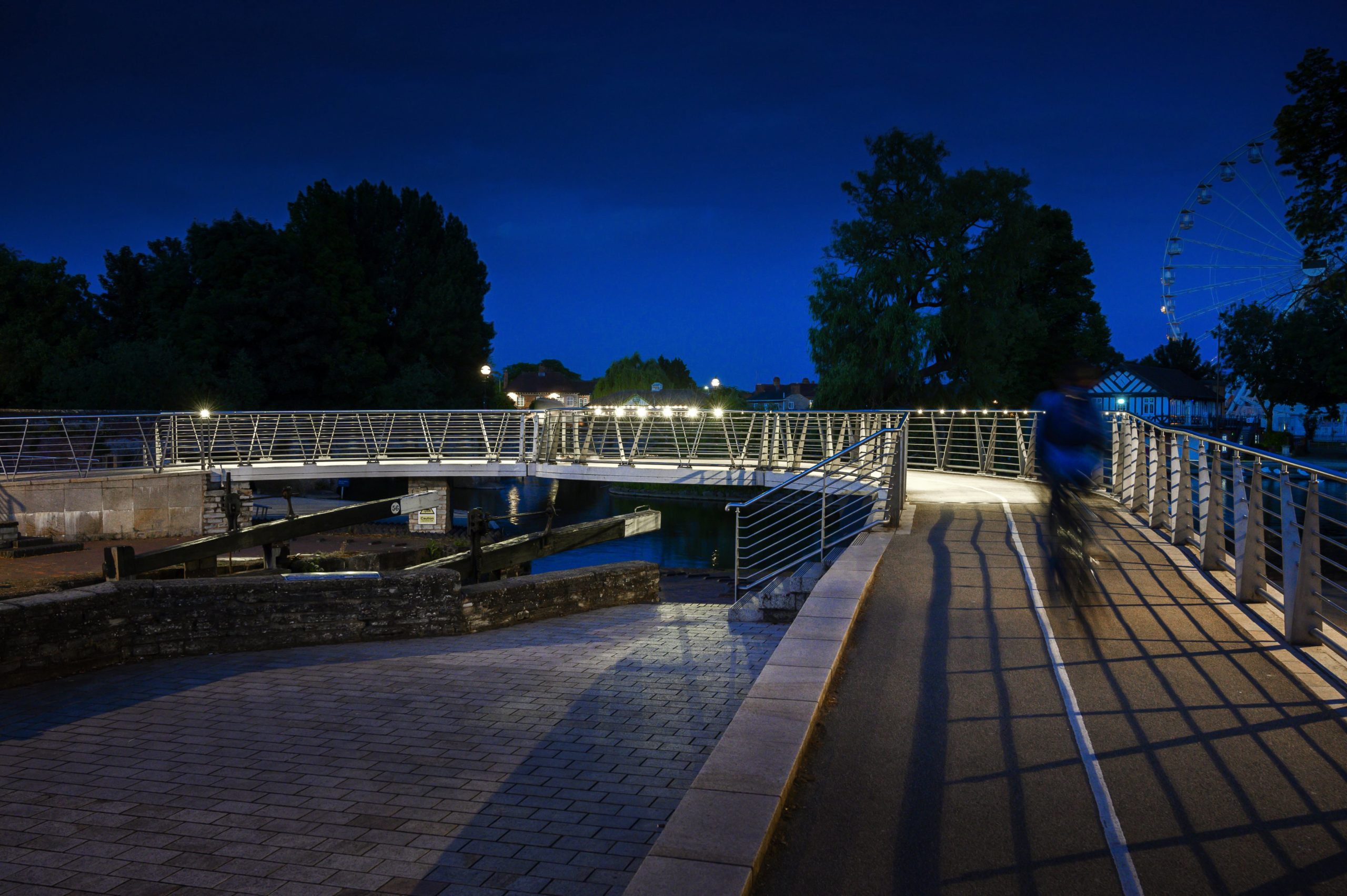
shining bright

a British lighting manufacturer with a difference

Obsessed with solving problems, not just selling 'stuff': we were born from a belief that the lighting industry deserved better.

10 Spotlight LED Lights Buying Tips for Global Buyers?

Choosing Spotlight Led Lights for an international project involves more than comparing brightness and price. A fitting that works well in a showroom may disappoint in a humid hotel corridor or a high-ceiling retail space. Beam angle, color temperature, dimming compatibility, and heat management all affect the result. Small details matter.

Global buyers also need to check the product information behind the sales photos. Ask for clear specifications, photometric data, warranty terms, and samples when practical. Confirm that the driver and control system suit the installation, and verify applicable safety and performance requirements with qualified local professionals. Requirements can differ by destination, so one certificate should not be assumed to cover every market. That check can take time.

The ten tips ahead focus on decisions buyers can compare before placing an order: intended use, light output, beam spread, color quality, materials, installation, energy use, supplier support, shipping, and after-sales service. A sample can reveal glare that a specification sheet cannot. A low unit price may also conceal costly replacements or unclear warranty coverage. Still, no checklist removes every risk. Product descriptions can be incomplete, and real rooms behave differently from test conditions. Use measurable criteria, request written answers, and keep room for a second review before committing.
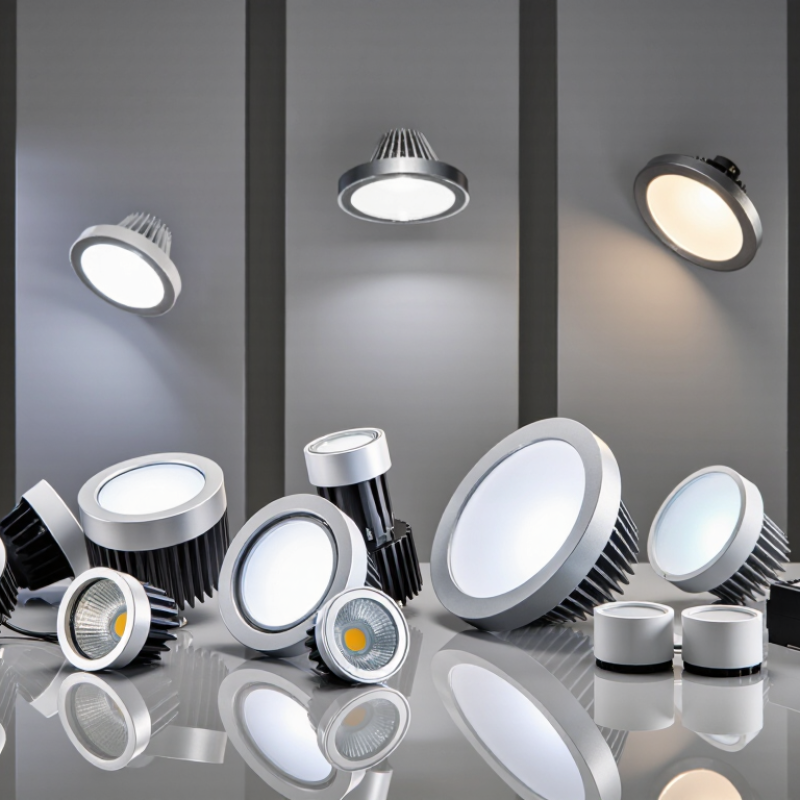
10 Spotlight LED Lights Buying Tips for Global Buyers?

Spotlight LED Basics: How Lumens, Beam Angle, and Candela Define Output

Lumens measure the visible light leaving a spotlight; they do not show where it lands. Candela describes intensity in a particular direction. A narrow beam can therefore produce a bright central pool with fewer total lumens than a wide flood. Picture a small, sharp circle on a display shelf versus softer light spread across a counter.

Beam angle describes the width of that spread, but check how the manufacturer defines it. Many specifications use the angle between points where intensity falls to 50% of its peak. Compare beam angle and candela together, not as isolated numbers. A 15-degree beam may suit a tall ceiling or an accent object, while a wider beam can reduce dark gaps across a work surface. Room height, mounting position, and surface color change the result. A neat specification sheet cannot capture every room.

For dependable comparisons, request photometric test data. IES LM-79 procedures cover measurements such as total luminous flux and electrical power for solid-state lighting products. The U.S. Department of Energy’s 2019 Energy Savings Forecast projected annual savings of 569 TWh by 2035 from LED lighting across U.S. general illumination. That broad estimate is not a spotlight performance guarantee. For a real purchase, check the tested lumen output, candela distribution, and beam-angle definition. Then mock up the light on the actual surface. Small differences matter.

10 Spotlight LED Lights Buying Tips for Global Buyers? — Spotlight LED Basics: How Lumens, Beam Angle, and Candela Define Output

# Buying factor What to check Practical guidance
1 Luminous flux (lumens) Check the fixture’s delivered light output in lumens, not only the LED chip’s rated output or electrical wattage. Lumens describe the total visible light emitted. Compare products at the same operating conditions and confirm whether the figure applies to the complete fixture.
2 Beam angle Look for the stated beam angle and how it is measured. It is commonly defined as the angle between directions where intensity falls to 50% of its peak value. A narrower beam concentrates light on a smaller area; a wider beam spreads it over a larger area. Check the manufacturer’s definition because measurement methods can differ.
3 Luminous intensity (candela) Use candela (cd) to compare how strongly a spotlight directs light in a particular direction. Higher candela can indicate a more intense central beam, but it does not by itself show total light output or the size of the illuminated area.
4 How lumens, angle, and candela relate Request an intensity distribution or photometric report when precise aiming or illumination is important. For an idealized uniform circular beam, intensity can be estimated as beam lumens divided by solid angle. Actual spotlights have non-uniform distributions, so total lumens and beam angle alone cannot determine exact candela.
5 Illuminance at the target Check the expected illuminance in lux at the installation distance, preferably from a photometric report. For a point source aimed directly at a surface, illuminance is approximately intensity divided by distance squared: E ≈ I / d². For example, 2,600 cd at 2 m gives approximately 650 lux at the beam center.
6 Color temperature Confirm correlated color temperature (CCT), stated in kelvins (K). Lower CCT generally appears warmer and higher CCT cooler. Select a consistent CCT across fixtures when matching the appearance of a space.
7 Color rendering (CRI) Check the color rendering index (CRI or Ra), and request application-specific color data where needed. CRI is commonly reported on a 0–100 scale; a higher value generally indicates more faithful color rendering for the colors measured. It is not a measure of brightness.
8 Glare and beam quality Review lens or reflector design, shielding, and any available glare or beam-distribution information. A high-intensity spotlight can cause discomfort if it is directly visible. Consider the viewing direction, mounting height, aiming, and whether accessories are needed to control glare.
9 Dimming and electrical compatibility Verify the input voltage and frequency, driver type, dimming method, and compatibility with the intended control system. Do not assume that every LED spotlight works with every dimmer. Confirm compatible control equipment and check for stated flicker performance if relevant to the application.
10 Environment and thermal performance Check the required ingress protection (IP) rating, ambient-temperature range, and installation conditions. Choose an IP rating suitable for the actual exposure to dust and water. Adequate heat dissipation is also important because excessive operating temperature can affect LED performance and service life.

Note: Product performance depends on the complete fixture, optics, driver, operating temperature, and measurement method. Use verified photometric data for final lighting calculations.
Compare Efficacy in lm/W and Verify Performance Against IEC 62717

For a spotlight, compare delivered lumens per input watt, not the LED chip’s headline figure. The U.S. Department of Energy’s 2022 Solid-State Lighting R&D Opportunities report notes that leading LED packages can exceed 200 lm/W under defined test conditions. That is not the efficacy of a finished spotlight. Optics, drivers, and heat losses reduce system output. Ask suppliers for measured luminaire efficacy, test conditions, and a report tied to the exact model. Small details matter.

Use IEC 62717 to assess LED-module performance data, including rated characteristics and their measurement conditions. It does not, by itself, establish the complete spotlight’s performance. For the finished unit, request photometric results showing output, beam angle, and power at a stated operating temperature. Compare like with like: a narrow beam may appear brighter on a wall, yet deliver fewer total lumens. A neat datasheet can still leave questions. Check whether values describe a bare module or a complete fixture, and whether dimming changes efficacy. I would not treat a single lm/W number as a buying verdict; it is useful, but incomplete.

Check Color Quality: CRI Ra 80 Is a Common Minimum for General Lighting

For general lighting, CRI Ra 80 is a common minimum when comparing spotlight LED lights. It indicates how naturally a light source renders a set of standard colors compared with a reference source. In a hallway or storeroom, Ra 80 may be sufficient. In a clothing shop, gallery, or kitchen, subtle color shifts can matter more.

Look beyond the headline number. CRI Ra averages several test colors, so it may not reveal how well deep reds appear. Ask for the full color data, including R9, and check samples beside familiar objects such as a red fabric swatch or fresh produce.

Compare them under the intended brightness and color temperature. A sample on a desk can look different after installation.

Consistency matters, too. If several spotlights share one ceiling, noticeable color differences can make the room feel uneven. Request the supplier’s tolerance for color variation, often listed as SDCM or MacAdam steps, and confirm it in writing.

Ra 80 is a useful starting point, not a guarantee. I have seen buyers focus on one impressive figure and overlook the actual color impression; that shortcut deserves a second look.

Match IP Ratings to Environments Using the IEC 60529 Code

A spotlight’s IP code should match its actual exposure, not just its location. Under IEC 60529, the first digit rates protection against solid objects and dust; the second rates water ingress. IP54 resists dust and splashing, while IP65 is dust-tight and tested against water jets. IP66 covers more powerful jets, but does not certify immersion. IP67 and IP68 address immersion under defined test conditions, with IP68 conditions agreed for the product.

A sheltered entrance may need less protection than a garden wall facing wind-driven rain. For exposed installations, IP65 is a common starting point; areas cleaned with strong water jets may call for IP66. Never treat IP68 as a universal underwater guarantee. Check the specified depth, duration, cable-entry seals, and installation instructions. IEC 60529 measures enclosure ingress protection, not corrosion resistance, UV ageing, or impact strength. Those gaps matter near salt air or harsh cleaning routines.

Tips: Read both digits, then match them to the site. Check seals after installation. Ask for the test conditions, not just the code. A high IP rating can still be the wrong choice.

Confirm Electrical Safety, Dimming, and Compatibility with IEC 60598-1

For spotlight LED lights, ask for the IEC 60598-1 test report, not just a supplier’s claim of compliance. This standard covers general luminaire safety requirements and tests, including electrical construction, insulation, temperature, and marking. Check that the report identifies the exact model, driver, and configuration being purchased. A similar-looking sample may use different components. IEC-based evidence is useful, but it does not replace destination-market certification or local installation requirements.

Dimming needs its own compatibility check. Confirm the control method—such as phase-cut, 0–10 V, or DALI—and test the precise driver-control pairing across the intended range. Watch for flicker, buzzing, sudden dropouts, and unstable low-level output. Ask for test results at minimum dimming, not only full brightness. Small details matter. The IEA’s lighting analysis estimates that lighting uses about 15% of global electricity, making efficient controls relevant; that figure does not guarantee any particular dimming savings. A practical sample test in the buyer’s actual wiring setup can reveal problems paperwork misses. It takes time, and it is still worth doing.

10 Spotlight LED Lights Buying Tips for Global Buyers

This chart groups 10 practical pre-purchase checks: verify luminaire safety against applicable requirements, including IEC 60598-1; confirm dimmer and driver pairing; check electrical and fitting compatibility; review beam angle, lumen output, CCT, and CRI; and request relevant test documentation. The bars count checklist items, not test results or market data. Confirm local requirements and product specifications for the installation.

Our story

When The Light Went On

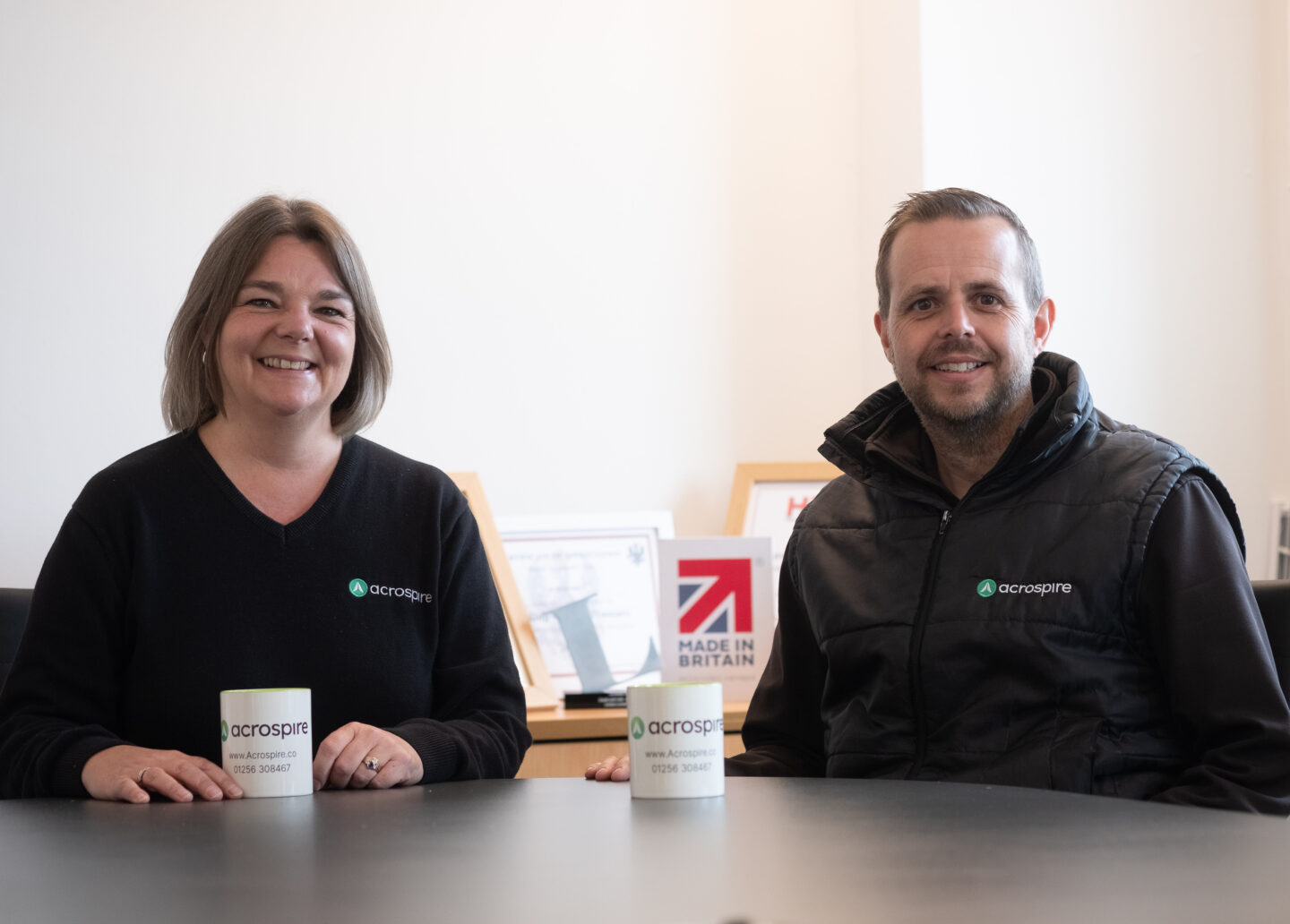
The idea for Acrospire was formed in 2012 when founder Tim envisioned a different kind of lighting manufacturer: one that would not only deliver outstanding customer experiences but also prioritise fair treatment for its employees.

We’ve come a long way

Working from any nook and cranny we could find

Motivated by the belief the industry wanted and needed better, Tim shared his plan to establish his own venture with Hatty, who simply couldn't let him do it alone.

The rest, as they say, is history.

Protecting local jobs and ensuring the best quality possible.

The products sold should, where possible be manufactured here in the UK

Working from a rented office by day and assembling lanterns in a garage at night, Tim and Hatty set to work.

11 Years later

and a lot has changed

Acrospire now inhabits a 14000² ft manufacturing facility in Basingstoke, Hampshire. We’re a proud partner of the Made in Britain scheme, ISO9001 certified and a member of all relevant lighting industry trade bodies.

We've built a reputation to be proud of

Along with great relationships with our customers and a great team! We've attracted some of the most experienced members of the lighting industry, all by following one golden rule.

A simple ethos

Creating work to be proud of

That runs through all that we do. Customers who have made the switch to Acrospire have found working with us to be a breath of fresh air.

Market leading warranty

If you’re a professional in the lighting industry, you’re probably familiar with warranties that range from 3 to 10 years, with extensions available on special request or at additional cost. At Acrospire, where we’re proud to be different, we offer a market-leading simple 12-year warranty, as standard.

Tight Control on Quality

We focus on our customers not our competition. We manufacture our products in the UK: with the exception of our solar products, our supply chain is within a 60-mile radius of our factory in Basingstoke: to maintain greater control over quality. We al

Speed is key

Speed of response is crucial when it comes to resolving warranty issues. If we’ve made a mistake, we own it, get to the root cause, and fix it as quickly as possible. We believe in timely communication with our customers and making the resolution pro

Test and Test Again

We believe in independent testing and certification. Our new product development is in line with ISO 9001. Many of our products hold ENEC Certification. To meet the requirements of ENEC we also send random product samples for third party safety testi

Quality by design

Our product design is another key factor in our ability to offer a 12-year warranty. We value engineer rather than cost cut, never compromising on quality. We stick to our processes and engage with our supply chain to ensure that every product meets