Top Luxury Sofa Fabric Types for Global Buyers
Choosing the right luxury sofa fabric involves more than matching a showroom color. Global buyers must consider comfort, durability, maintenance, climate, and responsible sourcing. A velvet that feels rich in a cool showroom may trap heat in a humid apartment. Linen can offer a relaxed texture, yet it may wrinkle and show pressure marks quickly. Leather provides strength and develops character, but its performance depends on tanning quality and surface finishing.
This guide examines popular fabric types through practical buying criteria. We consider fiber composition, rub resistance, colorfastness, seam behavior, cleaning requirements, and supplier documentation. Small details matter. Touch the fabric. Inspect the backing. Ask for test reports and care instructions. A dense weave often withstands daily friction better than a loosely woven surface. However, laboratory results cannot predict every household, especially when children, pets, or direct sunlight are involved.
Our experience with furniture specifications suggests that “luxury” should describe performance as well as appearance. Not always. Some premium fabrics prioritize softness over long-term resilience, and buyers should recognize that compromise. Regional expectations also differ. A hotel project may need commercial-grade performance, while a private residence may value tactile comfort more highly. The following overview compares velvet, linen, wool, chenille, performance textiles, and leather alternatives. It aims to support clearer supplier conversations and more reliable purchasing decisions. No single fabric suits every market. That is the point.
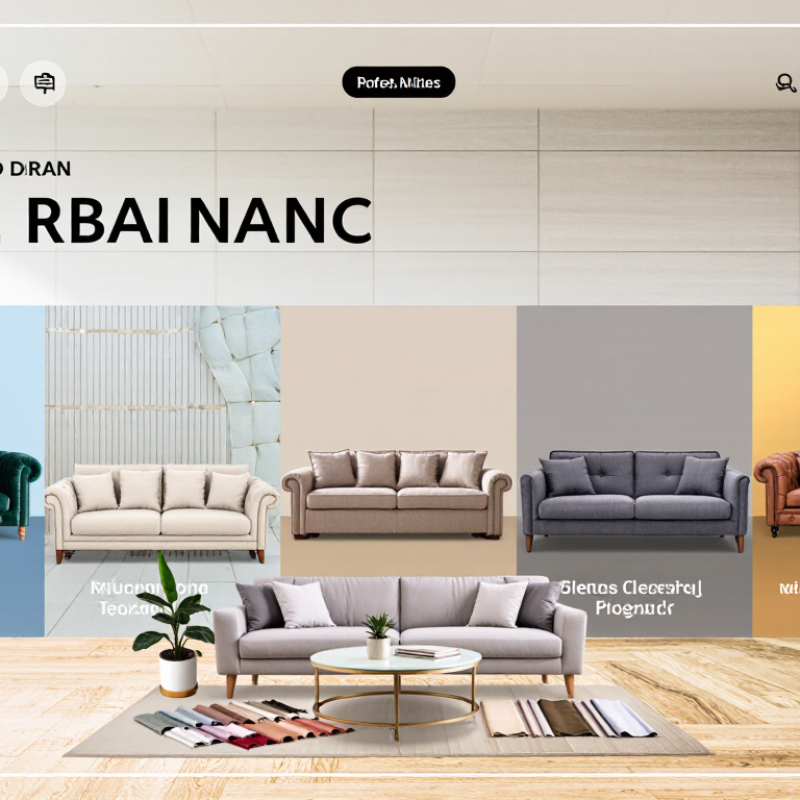
Luxury Sofa Fabric Taxonomy by Fiber, Weave, and Finish (ISO 2076)
Top luxury sofa fabric Types for Global Buyers
Luxury sofa fabric is easier to compare through a clear taxonomy. Fiber identifies the material’s basic origin and performance profile. Common groups include wool, silk, cotton, linen, regenerated cellulose, and synthetic fibers. ISO 2076 provides generic names for textile fibers, helping buyers read technical specifications consistently. However, ISO 2076 does not classify every weave or surface finish. That distinction matters.
Weave describes how yarns intersect. Plain weave offers a balanced, stable surface. Twill creates diagonal lines and often improves drape. Jacquard allows detailed patterns, while velvet uses a raised pile for depth and softness. Pile height changes cleaning difficulty and compression recovery. A showroom sample may feel perfect, yet repeated sitting can reveal flattening around the seat edge.
Finish describes the final surface treatment. Brushing can create a warmer hand, while calendaring produces a smoother appearance. Coatings may improve resistance to moisture or staining, but they can reduce breathability. Buyers should review abrasion data, pilling results, colorfastness, seam slippage, and light exposure tests. Ask for fiber composition and finishing records, not only photographs.
A practical evaluation combines laboratory data with touch testing. Rub the fabric with a dry cloth. Inspect the reverse side. Check whether the pile returns after pressure. These simple actions expose differences that specifications sometimes hide. This system is useful, but not flawless. Supplier testing methods may vary, and luxury perception remains partly subjective. Confirm the final fabric on a full-size upholstery panel before approving production.
Top Luxury Sofa Fabric Types for Global Buyers
Luxury Sofa Fabric Taxonomy by Fiber, Weave, and Finish — ISO 2076
How to read the chart: The values show typical fiber density in grams per cubic centimetre. Fiber density is a physical reference value and should not be interpreted as a direct measure of durability, softness, or luxury quality.
Fiber taxonomy: Natural fibers include cotton, flax, wool, and silk. Regenerated cellulose fibers include viscose and lyocell. Synthetic fibers include polyester, polyamide, acrylic, polypropylene, and elastane. These generic fiber names are classified within the ISO 2076 textile-fiber terminology framework.
Weave selection: Jacquard and damask create complex decorative surfaces; velvet uses a pile construction for a plush hand; chenille and bouclé provide textured visual depth; plain and twill weaves are commonly selected for structured, durable upholstery.
Common finishes: Brushing or raising enhances softness, calendaring creates a smoother surface, stain-resistant treatments improve cleanability, and backing or lamination can improve dimensional stability. Finish performance depends on the fiber, construction, treatment chemistry, and care requirements.
Velvet and Chenille: Pile Structure, 30,000+ Martindale Targets, and Lightfastness
Velvet and chenille remain strong choices for luxury sofas because their pile creates depth, softness, and changing surface color. Velvet usually has a dense, upright pile with a smooth directional nap. Chenille uses fuzzy yarns, producing a softer, more textured face. Under showroom lighting, both can look richer than they appear at home.
For global buyers, a 30,000+ Martindale target is a practical starting point for regular residential upholstery. It indicates strong abrasion resistance under a standardized test. However, it does not guarantee lifelong performance. Seam quality, cushion movement, clothing hardware, and cleaning habits also affect wear. A fabric can pass the test and still show pressure marks quickly.
Lightfastness deserves equal attention. Request test data suited to the intended market and installation area. A sofa beside a large south-facing window needs better resistance than one placed in a shaded room. Check the fabric after exposure testing, not only its original color. Dark velvet may reveal fading or nap disturbance more clearly. Chenille can develop subtle shading along frequently used seating zones.
Ask suppliers for construction details, test methods, cleaning instructions, and batch references. Review physical samples under daylight and warm indoor lamps. Touch the pile in both directions. It matters. I would also test a small upholstered panel before approving a full order. That extra step may feel slow, yet color, softness, and abrasion results can differ between laboratory data and daily use.
Linen, Cotton, and Wool: Moisture, Pilling, and Durability Metrics
Top Luxury Sofa Fabric Types for Global Buyers
Linen, cotton, and wool behave differently under daily moisture and friction. Standard textile data lists moisture regain near 12% for linen, 8.5% for cotton, and 14–18% for wool at standard conditions. This matters in humid rooms, where damp fibers can feel cool but dry slowly. Wool usually recovers well from compression. Linen feels crisp and ages visibly. Cotton feels familiar, yet may flatten faster on frequently used cushions. These figures come from established textile engineering references, while the Textile Exchange 2024 Materials Market Report recorded 124 million tonnes of global fiber production in 2023.
Pilling needs a measured test, not a sales promise. ISO 12945-2 rates surface pills visually after controlled rubbing. ISO 12947 measures abrasion resistance through Martindale cycles. A high abrasion result does not guarantee low pilling. Loose cotton fibers may form pills early. Linen often shows fewer pills but can develop broken surface slubs. Wool varies greatly by yarn twist and fiber length. In practice, I would request both test results and a fabric sample. One sample can mislead. Real homes are less controlled than laboratories.
Tips: Ask for ISO 12945-2 pilling results, ISO 12947 abrasion cycles, and moisture-regain conditions. Test a swatch against denim and a damp hand towel. Check seams after repeated sitting. A fabric rated highly in a report may still disappoint when cushions lack proper density. Textile data guides judgment; it does not replace careful furniture testing.
Performance Blends and Global Compliance: ACT 15,000 Rubs, REACH, OEKO-TEX
For global sofa buyers, performance blends offer a practical balance between comfort, durability, and design flexibility. Polyester, recycled fibers, and natural yarns can create soft textures with better resistance to daily wear. A fabric reaching 15,000 ACT double rubs is often considered suitable for demanding upholstery applications. However, abrasion results do not predict every real-life failure. Seams, sunlight, cleaning habits, and sharp furniture edges also matter.
Global compliance requires more than a test number. REACH assessment helps buyers review restricted chemical substances in materials supplied to the European market. OEKO-TEX certification can provide additional confidence through textile testing for harmful substances. Buyers should request current certificates, scope details, test dates, and matching fabric references. A certificate for one color may not automatically cover every colorway. This detail is often overlooked.
Tips: Ask for a physical sample and test it under realistic conditions. Rub it with denim, inspect the backing, and check color transfer after cleaning. Confirm the laboratory method behind the 15,000-rub result. I have seen attractive fabrics pass abrasion tests yet disappoint in pilling or seam durability. That is a useful warning. Compliance documents also deserve careful review, not simple acceptance. Reliable sourcing combines laboratory evidence, supplier transparency, and hands-on inspection before bulk production.