What is a Lithium Battery Car and How Does It Work?
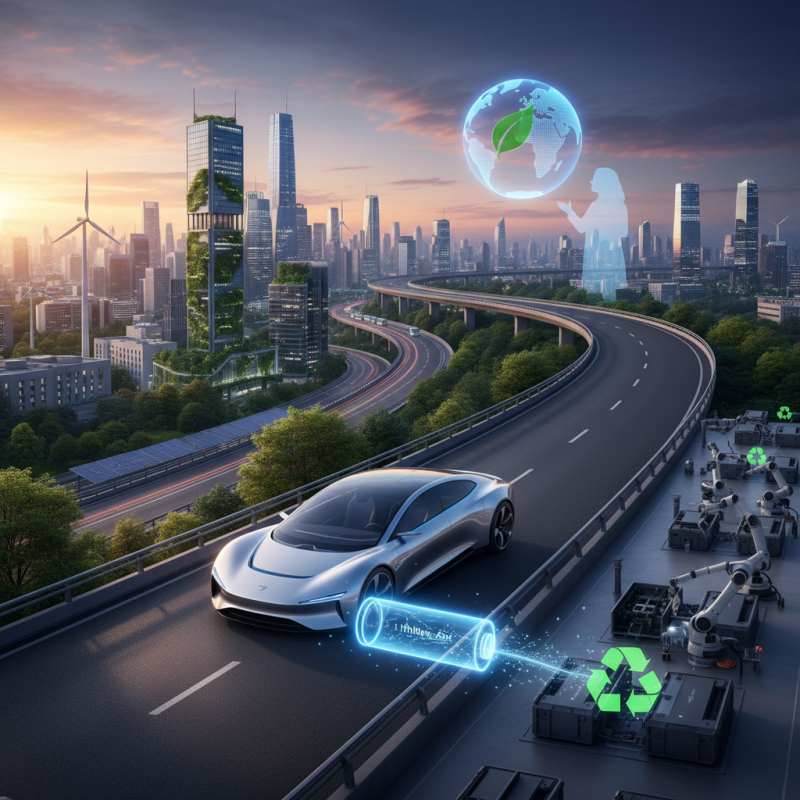
The Lithium Battery Car represents a significant breakthrough in automotive technology. These cars use lithium-ion batteries, providing a cleaner alternative to traditional fuel vehicles. Dr. Emily Carter, a leading expert in battery technology, once stated, “Lithium battery cars are paving the way for a sustainable future.”
Lithium battery cars offer impressive range and efficiency. They are becoming popular due to lower emissions. However, the industry faces challenges, such as battery disposal and resource sourcing. Critics often point out potential environmental impacts.
As we embrace this technology, it’s essential to reflect on its long-term effects. How sustainable are the materials? What happens to old batteries? These questions must be addressed. The journey toward widespread adoption of lithium battery cars requires thoughtful consideration, balancing innovation with responsibility.
What is a Lithium Battery Car?
A lithium battery car uses advanced technology to power electric vehicles. These cars rely on lithium-ion batteries for energy storage. This type of battery is lighter and more efficient than traditional lead-acid batteries. It provides a longer driving range and faster charging times. Many people appreciate these advantages.
However, the technology has its downsides. Lithium mining can have negative environmental impacts. The extraction process requires large amounts of water and can disrupt local ecosystems. Moreover, recycling lithium batteries remains a significant challenge. Many batteries end up in landfills.
Despite these concerns, the popularity of lithium battery cars is growing. They represent a shift towards more sustainable transportation options. Yet, potential buyers should consider the full lifecycle impact of these vehicles. There is much to learn and improve in this evolving field.
What is a Lithium Battery Car and How Does It Work?
| Feature | Description |
| Battery Type | Lithium-ion |
| Energy Density | 150-200 Wh/kg |
| Typical Range | 200-370 miles per charge |
| Charging Time | 30 minutes (fast charge) to 8 hours |
| Lifespan | 8-15 years, or 1000-2000 charge cycles |
| Environmental Impact | Recyclable components; lower emissions compared to fossil fuels |
| Cost | Approximately $200-$300 per kWh |
| Charging Infrastructure | Public fast-charging stations, home chargers |
The Components of a Lithium Battery Car
Lithium battery cars are becoming increasingly popular. They rely heavily on lithium-ion batteries as their primary power source. These batteries are made up of several key components. Understanding these parts is crucial to grasp how these vehicles function.
At the core, the battery pack contains numerous cells. Each cell stores energy and consists of an anode, cathode, and electrolyte. The anode is typically made of graphite, while the cathode often uses lithium metal oxide. This combination allows for efficient energy storage and energy release.
Another vital part is the Battery Management System (BMS). The BMS ensures safety and efficiency. It monitors voltage, temperature, and overall health. This system helps prevent overcharging and extends the battery's life. Yet, it is not foolproof. Users must remain aware of how heat affects battery performance. Additionally, while these cars offer great range, charging infrastructure still lags in many areas.
Battery Capacity Comparison of Lithium Battery Cars
How Lithium Batteries Function in Electric Vehicles
Lithium batteries are the heart of electric vehicles (EVs). These batteries store and release energy, powering the car's electric motor. A lithium battery consists of an anode, cathode, and electrolyte. When the battery discharges, lithium ions move from the anode to the cathode, generating electric current. Reports suggest that lithium-ion batteries have an energy density of about 250 Wh/kg, significantly enhancing EV range.
In terms of efficiency, lithium batteries excel. They can provide up to 90% efficiency in converting stored energy into driving power. However, they degrade over time. Battery life typically ranges from 8 to 15 years, depending on usage and maintenance. Overcharging or extreme temperatures can hasten this degradation process. A study indicates that about 30% of EV battery capacity is lost within the first few years.
Tips: To prolong battery life, avoid extreme charging conditions. Regularly check for software updates, as they can optimize battery performance. Additionally, consider charging during cooler parts of the day. Observing these practices can help maintain your battery's longevity.
Lithium batteries hold promise, but awareness of their limitations is crucial for users.
Benefits of Using Lithium Batteries in Cars
Lithium batteries are transforming the automotive industry. Their lightweight design makes them ideal for electric vehicles. These batteries offer higher energy density compared to traditional options. This means cars can travel further on a single charge. They can power a vehicle more efficiently, leading to less energy waste.
Moreover, lithium batteries have a longer lifespan. They can last several years, minimizing the need for replacements. This saves drivers both time and money. However, they are not without challenges. The charging time can still be an issue for some users. Also, proper disposal and recycling need attention. Not addressing these concerns can lead to environmental problems.
Lithium batteries also provide quick charging options. This is a big plus for busy drivers. With advancements in technology, charging stations are becoming more common. However, infrastructure development is lagging behind the growth of electric cars. Without proper support, the full potential of lithium batteries may not be realized.
Challenges and Future of Lithium Battery Technology in Automotive Industry
The automotive industry faces significant challenges with lithium battery technology. Environmental concerns are growing. Mining lithium can damage ecosystems. Processing it often produces waste. Furthermore, the supply chain for lithium is volatile. Prices fluctuate based on demand. This uncertainty can hinder the growth of electric vehicles.
Battery life is another critical issue. While current lithium batteries can last several years, they are not perfect. Degradation occurs over time. This leads to reduced performance and range. Finding ways to enhance longevity and efficiency is essential. Researchers are actively seeking alternatives to overcome these limitations. Solid-state batteries show promise but are not yet widely available.
Additionally, the recycling of lithium batteries poses a dilemma. Current methods are inefficient. Many batteries end up in landfills, presenting a waste problem. Creating a sustainable recycling process is vital. The future depends on improving technology and addressing these concerns. Striving for better practices will determine the industry's success.