Top 5 Light Therapy Tips for Better Sleep and Mood Improvement?
Light Therapy has emerged as a progressive approach to improving sleep and enhancing mood. Dr. John W. Harlow, a pioneer in the field of light therapy, states, "Light therapy is a simple, effective tool for emotional and sleep challenges." This powerful technique utilizes specific wavelengths of light to influence our circadian rhythms and overall well-being.
Understanding how light affects our sleep cycles is crucial. Many individuals struggle with insomnia or seasonal mood changes. For these people, light therapy can offer a natural solution. By exposing oneself to light at particular times, users report improved sleep quality. Some even notice a lift in mood after just a few sessions. Engaging with light therapy is not just about light exposure—it's also about routine and timing.
Nevertheless, there is still much to explore within the realm of light therapy. Individual experiences vary significantly. What works for one might not work for another. Personal adjustments and professional guidance play vital roles. As we dive into the top five tips for light therapy, it's essential to acknowledge its potential and limitations.
Understanding Light Therapy: Definition and Mechanism of Action
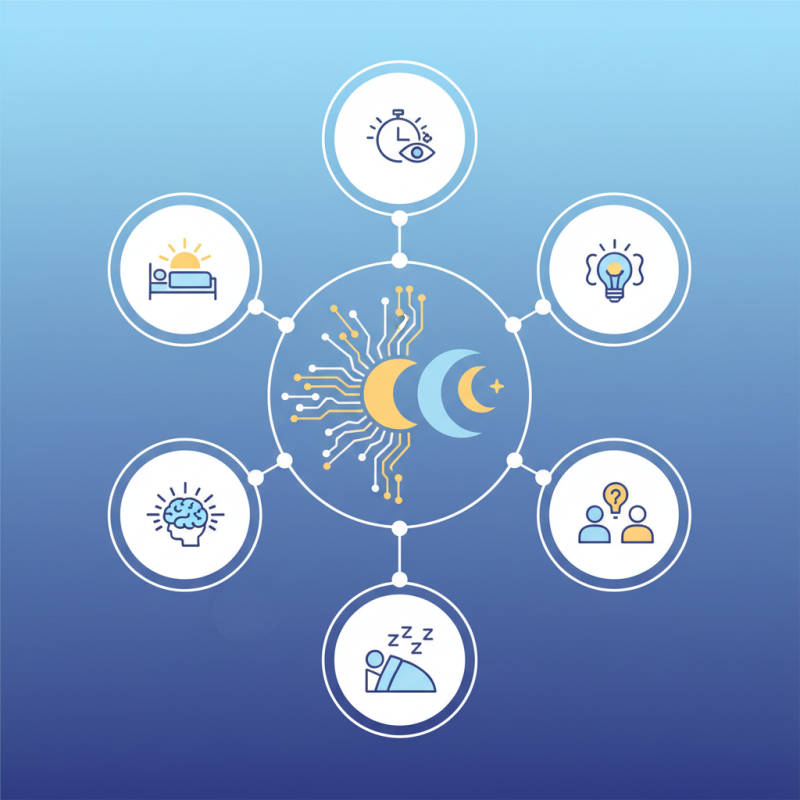
Light therapy is a treatment that uses specific wavelengths of light to improve mood and sleep. This technique aims to mimic natural sunlight. It works by influencing our circadian rhythms and melatonin production. When the body senses light exposure, it enhances alertness while reducing feelings of fatigue.
The mechanism of action involves the retina's photoreceptors. These receptors send signals to the brain, particularly to the suprachiasmatic nucleus. This area regulates our internal clock. Research shows that regular exposure to bright light, especially in the morning, can boost serotonin levels. Higher serotonin can lead to improved moods and better sleep patterns.
Light therapy can be effective, but it is not a one-size-fits-all solution. Some people may not experience immediate benefits. Others might feel more anxious before adjusting to the new routine. Gradually increasing light exposure can help improve tolerance. It is important to track your progress and adjust accordingly. Making notes about sleep quality and mood changes can provide valuable insights. Understanding personal responses to light can guide future use of this therapy.
Benefits of Light Therapy for Sleep and Mood Enhancement
Light therapy has gained attention for its positive impact on sleep and mood. Research shows that exposure to specific light wavelengths can influence our circadian rhythms. A study published in the Journal of Clinical Sleep Medicine found that 30% of participants improved their sleep quality after using light therapy consistently for two weeks. This underscores its potential as a natural remedy for sleep disturbances.
Moreover, light therapy is linked to mood enhancement. A report by the American Psychiatric Association highlights that individuals using light therapy for depression experienced a significant decrease in symptoms. Nearly 70% reported feeling uplifted after daily sessions. This therapy acts by stimulating serotonin production, a neurotransmitter crucial for regulating mood. Light exposure, especially in the morning, can elevate energy levels and alter negative thought patterns.
However, light therapy isn't a one-size-fits-all solution. Some may experience headaches or eye strain during initial sessions. It's vital to consider the intensity and duration of exposure. Tailoring the approach can lead to better results. Regular reflection on these experiences can help individuals adapt their routines for optimal benefits.
Choosing the Right Light Therapy Device for Your Needs
Choosing the right light therapy device is crucial for enhancing sleep and improving mood. Research suggests that exposure to bright light can help regulate circadian rhythms. This is especially important for individuals struggling with sleep disorders. For instance, using a light box that emits 10,000 lux of cool white light for 20 to 30 minutes each morning can significantly impact mood and sleep quality.
When selecting a light therapy device, consider your specific needs. Devices vary in intensity, spectrum, and size. A larger light box may cover more area, but portability is also essential for daily use. Some devices offer colored light options, which can target specific mood enhancements. A study conducted by the American Journal of Psychiatry found that blue light can be particularly effective in improving depressive symptoms.
It's important to recognize that not every device works for everyone. Personal experiences may differ based on individual sensitivity to light and the type of sleep issues present. The effectiveness of a device may also vary based on the time of use. By keeping a sleep diary, you can better understand how light exposure affects your rest and mood. Finding the right light therapy device may require some trial and error. It’s a journey of discovery toward better well-being.
Top 5 Light Therapy Tips for Better Sleep and Mood Improvement
| Tip | Description | Best Time to Use | Recommended Duration |
| Morning Exposure | Get bright light exposure shortly after waking to improve alertness and mood. | Within 30 minutes of waking | 20-30 minutes |
| Adjusting Lighting | Dim lights in the evening to signal the body to prepare for sleep. | 2 hours before bedtime | N/A |
| Light Therapy Device | Use a light therapy box that emits at least 10,000 lux for effective treatment. | Morning | 20-45 minutes |
| Consistency | Maintain a consistent schedule for light exposure to enhance effectiveness. | Daily | N/A |
| Avoid Blue Light | Limit exposure to screens in the evening to reduce blue light that disrupts sleep. | Evening | N/A |
Optimal Timing and Duration for Effective Light Therapy Sessions
Light therapy can significantly enhance sleep quality and improve mood. However, the timing and duration of your sessions are crucial for effectiveness. Aim for early morning exposure to bright light. This helps reset your internal clock, promoting alertness during the day. A session lasting about 20 to 30 minutes can yield optimal results.
Make sure to use light therapy consistently. Experiment with different times to find what works best for your routine. Some may benefit from afternoon sessions, especially when feeling sluggish. Monitor your mood and sleep patterns to see adjustments. This can offer insight into your personal preferences.
Consider the environment where you conduct light therapy. A clutter-free, quiet space can enhance focus and relaxation. Avoid distractions during your sessions. Reflect on your energy levels throughout the day. Are you feeling more awake? Or is the effect fleeting? This awareness can guide your light therapy routine and help you make necessary adjustments.
Complementary Practices to Enhance Light Therapy Results
Light therapy can be a powerful tool for improving sleep and mood. To make it even more effective, consider integrating complementary practices. One such practice is maintaining a consistent sleep schedule. Going to bed and waking up at the same time each day helps regulate your body's internal clock.
Incorporating mindfulness techniques can significantly enhance the benefits of light therapy. Simple activities like meditation or focused breathing can create a calm environment. This allows your mind to relax and absorb the effects of light more effectively.
Another useful practice is physical activity. Just 20 minutes of exercise can elevate your mood and strengthen your overall mental health. However, finding time for regular exercise can be challenging. You might feel guilty about skipping workouts, but remember that consistency is key. Even small adjustments can lead to monumental changes in your well-being.