2026 How to Choose the Best LCD TV for Your Needs?
Selecting the right LCD TV can be overwhelming. With countless models and features, it's essential to understand your needs first. An LCD TV offers vibrant colors and high-definition clarity, making it a favorite among home entertainment enthusiasts. However, not all LCD TVs are created equal.
Consider factors like size, resolution, and smart features. Each home environment is different. Think about your viewing distance when choosing a size. A larger screen might be ideal for a spacious living room but overwhelming in a small bedroom. Resolution is another key aspect. 4K TVs provide stunning images, but are they necessary for your viewing habits?
It's also important to think about brand reliability and after-sales service. While some brands are well-known, others may offer hidden gems in terms of quality. Remember, a perfect choice doesn't exist. Your personal preferences and lifestyle will ultimately drive your decision. Stay informed and choose wisely when investing in your next LCD TV.
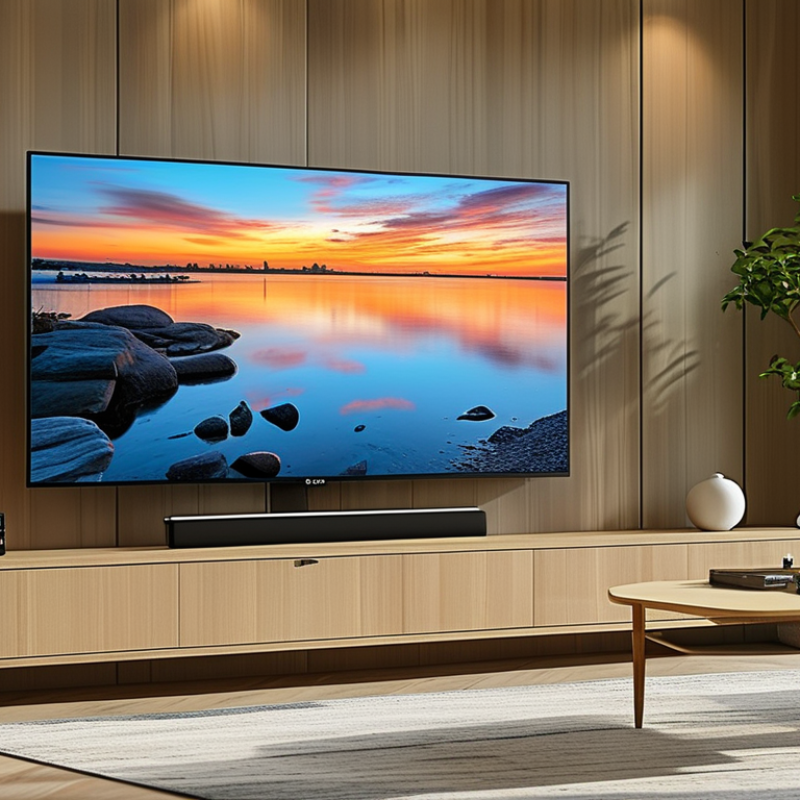
Understanding the Different Types of LCD TVs Available Today
When selecting an LCD TV, it's essential to understand the various types available in the market. The main types include LED, QLED, and IPS panels. Each type has its unique features and benefits. For instance, LED TVs are known for their brightness and affordability. QLED models excel in color accuracy and vibrancy due to quantum dot technology. Meanwhile, IPS panels offer better viewing angles and consistent color across different lighting setups.
In 2023, the display market reported that over 50% of consumers prioritized picture quality over other features. This indicates a growing demand for TVs that provide superior image performance. However, many buyers still find it confusing to choose the right type according to their viewing habits. The varying degrees of contrast and brightness among different models can lead to dissatisfaction if expectations are not met.
Furthermore, it's crucial to pay attention to specifications like refresh rates and response times. A significant number of TVs on the market claim high refresh rates, but many consumers fail to grasp how this affects motion clarity in fast-paced scenes. Additionally, not all technologies work well in every space. A bright room may not be the best environment for an IPS panel, which can reflect glare easily, impacting the viewing experience.
2026 How to Choose the Best LCD TV for Your Needs? - Understanding the Different Types of LCD TVs Available Today
| TV Type | Screen Size | Resolution | Refresh Rate | Smart Features |
| LED | 32"-75" | HD, Full HD, 4K | 60Hz, 120Hz | Yes |
| LCD | 24"-65" | HD, Full HD | 60Hz | No |
| QLED | 43"-85" | 4K, 8K | 120Hz, 240Hz | Yes |
| Mini LED | 50"-85" | 4K, 8K | 120Hz | Yes |
| Ultra HDTV | 40"-98" | 4K, 8K | 60Hz, 120Hz | Yes |
Key Features to Consider When Buying an LCD TV
When choosing an LCD TV, consider several key features essential for your viewing experience. Screen resolution is critical. Higher resolutions, such as 4K, provide sharper images. A good contrast ratio enhances the image quality in bright and dark scenes. Check the TV's brightness levels too. This ensures optimal viewing in different lighting conditions.
Another crucial factor is the refresh rate. A higher refresh rate minimizes motion blur. This is particularly important for sports or action movies. Don't overlook the connectivity options. Multiple HDMI and USB ports allow easier access to all your devices, enhancing versatility.
Tips: Always read user reviews. They provide real-world insights into performance. Compare specifications carefully, as not all features are equal. Measure your viewing distance to find the right screen size. Sometimes, bigger isn't always better. Consider how the TV fits in your space. Reflect on your actual viewing habits. This can help you make a more informed choice.
Key Features to Consider When Buying an LCD TV
This chart displays the average customer satisfaction ratings for different features when purchasing an LCD TV. The dimensions include picture quality, sound quality, smart features, connectivity options, and price.
How to Evaluate Picture Quality in LCD TVs
When evaluating picture quality in LCD TVs, focus on resolution, color accuracy, and contrast. The resolution is crucial. Most modern TVs offer at least 1080p, while 4K models are becoming standard. According to industry reports, around 70% of consumers prefer 4K for its sharpness and detail. Look for displays with a high pixel density to ensure clarity.
Color accuracy matters too. A good LCD TV should cover a wide color gamut. Look for models that adhere to the DCI-P3 standard. The best performers can reproduce 90% or more of this spectrum. This ensures vibrant and true-to-life colors. High Dynamic Range (HDR) support is another key feature. HDR can enhance contrast, making bright areas brighter and dark areas more detailed.
Tips: Always compare side by side. In-store displays can be misleading. Viewing conditions may not reflect your home environment. Pay attention to motion handling as well. Some models excel in fast-moving scenes, providing a smooth experience. If possible, check user reviews and expert analyses. They often highlight strengths and weaknesses not visible in store displays. Incremental improvements in technology mean that even slight differences in performance can lead to a vastly different viewing experience.
Assessing Size and Viewing Distance for Your TV Setup
Choosing the right LCD TV involves careful consideration of size and viewing distance. The ideal screen size can significantly enhance your viewing experience. According to industry studies, viewers typically prefer screen sizes that align with specific distances. For a comfortable experience, some experts recommend a viewing distance that is approximately 1.5 times the diagonal screen size. For example, if you select a 55-inch TV, you should sit about 6.5 feet away.
It’s important to assess your space. A large room may accommodate bigger screens but remember that a too-large TV can overwhelm smaller spaces. A report by the Consumer Technology Association suggests that spaces of around 200 square feet often work best with TVs ranging from 50 to 65 inches. However, personal preference plays a crucial role. Some viewers enjoy an immersive experience, while others may opt for a modest size for balance.
Consider the room's layout as well. Reflections from windows or lights can hinder visibility. According to the Society for Information Display, reflections can affect up to 40% of viewing experiences in poorly arranged setups. A well-thought-out arrangement can eliminate distractions. Reflect on your habits, too. If you watch TV from a couch or bed, ensure the height and position suit your seating.
Budgeting for Your New LCD TV: What to Expect
When budgeting for a new LCD TV, it's essential to know what to expect. Research from Statista suggests that the average price of LCD TVs in 2026 ranges from $300 to $1,200, depending on the features. This broad spectrum means that careful planning is necessary. Most families might find a quality model for about $700. However, features such as screen size, resolution, and smart capabilities can significantly impact costs.
Consider the trade-offs in features. A TV with 4K resolution will generally be pricier than a standard HD model. The 2023 Consumer Technology Association report indicates that 4K TVs make up over 40% of all unit sales, reflecting consumer preference for quality over cost. Yet, purchasing the latest model often results in spending over budget. It's wise to review sales trends and prioritize essential features over extraneous ones. Realistically, you might have to compromise on specific aspects to stay within budget.
Don’t forget additional expenses. Mounting hardware, sound systems, and extended warranties can add hundreds to your total. Investing in a good TV often means facing unexpected costs. As a consumer, ensuring a solution fits your budget while meeting necessary needs is crucial. A thorough understanding of potential expenses can help avoid overspending while still enjoying a quality viewing experience.