2026 How to Choose the Best Extension Cable for Your Needs?
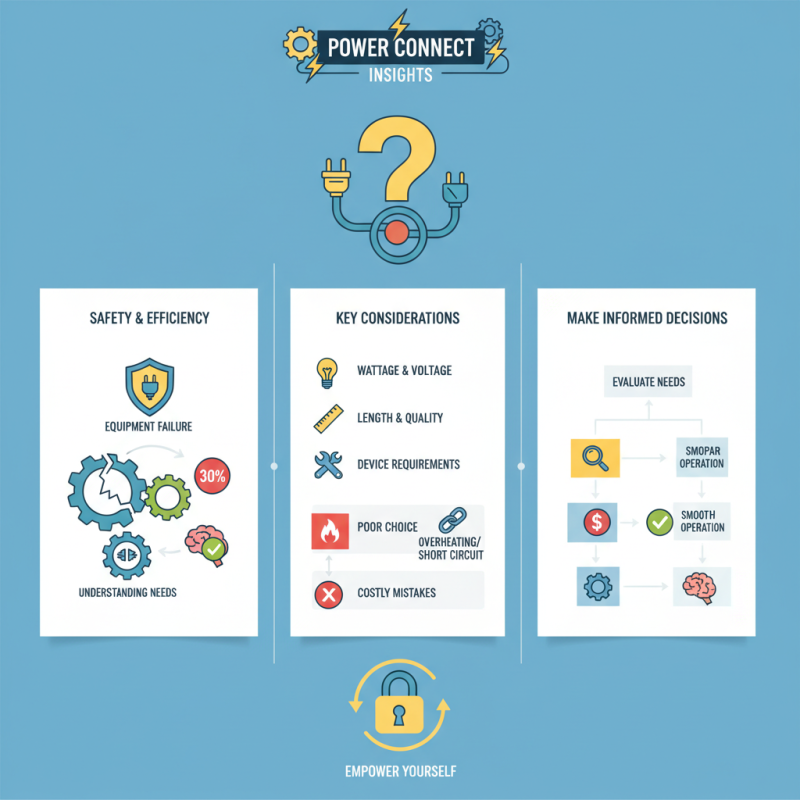
Choosing the right Extension Cable is crucial for safety and efficiency. According to a 2023 industry report by PowerConnect Insights, incorrectly selected cables can lead to equipment failure in 30% of cases. Experts suggest that understanding your specific needs is essential. "Every device has unique requirements," says Dr. Linda Chen, a leading authority in electrical engineering.
Extension cables vary significantly in quality, length, and application. It’s important to consider the wattage and voltage specifications of your devices. Poor choices can lead to overheating or short circuits. Many consumers overlook these factors, leading to costly mistakes. The right extension cable ensures devices operate smoothly without issues.
While it may seem straightforward, selecting the best extension cable can be complex. Each situation demands careful evaluation. Choosing based solely on price often results in subpar performance. Reflecting on these aspects can save headaches later. Understanding the intricacies of extension cables will empower you to make informed decisions.
Understanding the Different Types of Extension Cables Available
When selecting an extension cable, understanding the types is essential. There are mainly three types: heavy-duty, light-duty, and specialty cables. Heavy-duty cables are designed for high power tools. They can handle more load, making them ideal for outdoor work. Light-duty cables are suitable for less demanding devices like lamps and chargers. Specialty cables may include options like weather-resistant or retractable models.
Tips: Always check the gauge of the wire. A lower gauge means a thicker wire capable of carrying more current.
The length of the extension cable matters too. Longer cables may cause power loss, especially for heavy-duty types. Think about where you’ll use it. If indoors, a light-duty option might be enough. For outdoor use, a heavy-duty cable is prudent.
Tips: Consider adding surge protection features. This extra layer can save your devices from power spikes.
Evaluating the Length and Power Rating for Your Specific Needs
When choosing an extension cable, evaluating length and power rating is crucial. An extension cable that is too short limits your reach. Conversely, a cable that is excessively long can lead to energy loss and voltage drops. According to a report by the National Electrical Manufacturers Association, a drop of just 2% can affect the performance of your appliances. Understanding your specific needs helps avoid these issues.
Power rating is equally important. Each extension cable has a designated wattage limit. Exceeding this can cause overheating or failure. A study from the Institute of Electrical and Electronics Engineers emphasizes the risk of using an under-rated cable. This can lead to hazardous situations. Therefore, knowing the total wattage of devices you plan to connect is vital.
Be aware of the consequences of miscalculations. Users often underestimate their energy needs. This leads to using cables that are inadequate for the task at hand. It’s essential to reassess your requirements and ensure you have the right extension cable for your setup. Investing time in this decision can prevent future inconveniences and ensure safety.
Assessing Safety Features and Certifications in Extension Cables
When choosing an extension cable, safety features are crucial. Look for cables with certification labels. These indicate the cable meets industry standards. Common certifications include UL, CE, and RoHS. They ensure safety against overheating and electrical hazards. A well-certified cable provides peace of mind.
Tips: Check the amperage rating. Match it with your devices to avoid overload. A cable with a higher rating can safely handle more devices.
Shielding is also important. It protects against interference from other electronics. Good shielding minimizes disruptions to sensitive devices. Poorly shielded cables can lead to operational issues. Trustworthy sources will detail shielding quality.
Pay attention to the length. Longer cables can lead to voltage drops. Use the shortest length necessary for your setup. This helps maintain performance and safety. If a cable looks worn or damaged, reconsider its use. Regularly inspect your extension cables for safety hazards.
2026 Extension Cable Safety Features Comparison
Exploring Key Features: Outlets, Surge Protection, and Cord Flexibility
When selecting an extension cable, understanding key features is essential. The number of outlets matters. If you often power multiple devices, choose a cord with several outlets. Some cables offer extra ports. This feature is helpful for charging electronic devices simultaneously.
Surge protection is crucial for safeguarding your devices. Look for extension cables that include this feature. A surge protector absorbs excess voltage. It prevents damage during power spikes. Not all cords provide this, so be cautious when choosing. A solid surge protection rating is important.
Cord flexibility often gets overlooked but is critical. A stiff cord can limit where you place your devices. A more flexible cord allows for better positioning around furniture. Inspect the cord’s material and design. It affects longevity and usability. If the cord feels flimsy, that might be a red flag. Consider how often you’ll move the extension cable. If you anticipate frequent adjustments, flexibility becomes even more vital.
2026 How to Choose the Best Extension Cable for Your Needs?
| Feature | Standard Option | Premium Option | Best Option |
| Number of Outlets | 3 Outlets | 6 Outlets | 10 Outlets |
| Surge Protection | Basic Surge Protection | Enhanced Surge Protection | Advanced Surge Protection with Indicator Light |
| Cord Length | 6 Feet | 12 Feet | 25 Feet |
| Cord Flexibility | Standard Flexibility | Enhanced Flexibility | High Flexibility for Easy Maneuvering |
| Price Range | $10 - $15 | $20 - $30 | $40 - $60 |
Determining the Appropriate Use Cases for Indoor vs. Outdoor Cables
When choosing between indoor and outdoor extension cables, understanding their use cases is crucial. Indoor cables typically have lighter insulation and are designed for lower voltage applications. They are often used in homes and offices for devices like computers and lamps. According to a report by the National Electrical Manufacturers Association, indoor extension cords can handle up to 15 amps. However, they may not withstand harsh environmental conditions.
Outdoor extension cables, on the other hand, are built for durability. They feature thicker insulation and are resistant to moisture, UV rays, and extreme temperatures. This makes them suitable for power tools, outdoor lights, and landscaping equipment. A study by the Consumer Product Safety Commission highlights that using indoor cables outdoors can lead to hazards including short circuits and fires. Such risks emphasize the importance of selecting the correct type of cable for each specific environment.
It's essential to pay attention to safety and compatibility. Not all cords are created equal, and using the wrong type can result in damage or accidents. Careful consideration of the environment and equipment needs will ensure you make the best choice. Maintaining awareness of cable ratings and appropriate applications is vital for safe usage.