Essential Tips for Choosing the Right Solar Panel Connectors?
Choosing the right Solar Panel Connectors is crucial for an efficient solar energy system. These connectors play a vital role in ensuring reliable performance and minimizing energy loss. It’s important to understand the types available in the market. Various connectors have different specifications, and selecting inappropriate ones can lead to issues.
Consider elements like durability, ease of installation, and compatibility with your solar panels. High-quality solar panel connectors can withstand harsh weather conditions. However, not all connectors are created equal. Sometimes, cheaper options appear appealing but may compromise safety and efficiency. Make sure to research brands that have established a reputation in the industry.
Reliable connectors enhance the longevity of your solar setup. Poor choices can lead to unnecessary repairs and replacements. Take time to evaluate your needs and consult professionals if necessary. Prioritize connectors that guarantee secure and efficient electrical connections. With careful selection, you can maximize the benefits of your solar energy system.
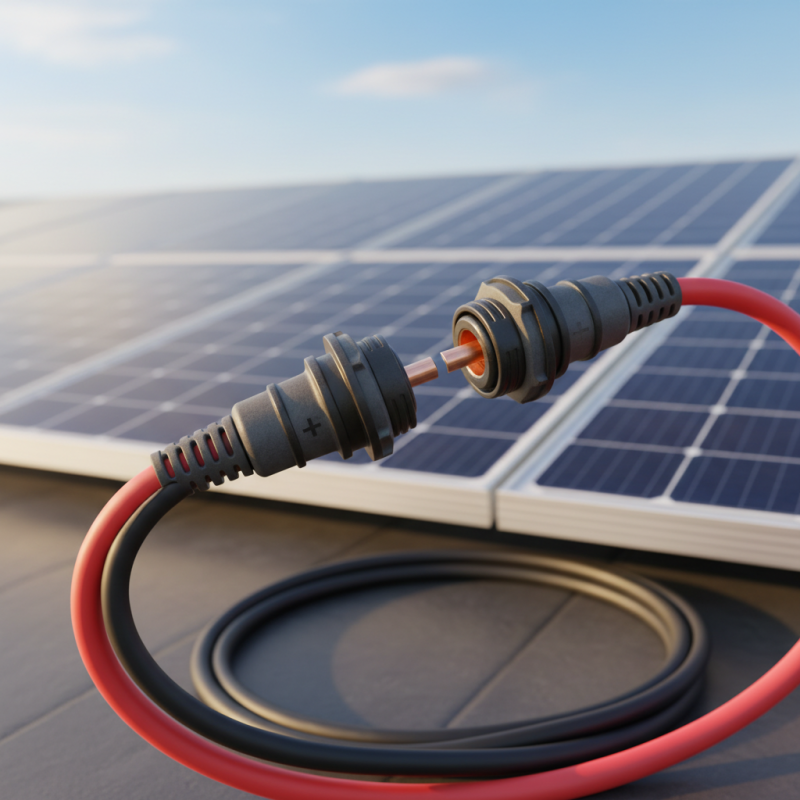
Understanding Solar Panel Connector Types and Their Functions
When choosing solar panel connectors, understanding their types and functions is vital. The most common types include MC4 and MC5 connectors. MC4 connectors are widely used due to their reliability and compatibility with various solar panels. They are rated for up to 30 amps and can handle up to 1,000 volts, making them suitable for residential and commercial systems. Conversely, MC5 connectors, while less common, offer quick-disconnect capabilities for easy maintenance.
Did You Know?
According to the National Renewable Energy Laboratory (NREL), improper connector choices can lead to 10% energy loss in solar systems.
Efficiency is key when selecting connectors. This emphasizes the importance of matching connectors to the specific requirements of your solar setup. For instance, the connector's weather resistance and material quality can affect longevity and performance. Not all connectors are created equal, and choosing inferior options may result in increased maintenance costs.
It's crucial to consider environmental factors that impact connector performance. Temperature fluctuations, moisture, and UV exposure can shorten connector lifespan. Reports from the Solar Energy Industries Association (SEIA) highlight that connectors often fail due to environmental stress. Therefore, investing in high-quality connectors should be a priority to enhance your solar system's reliability and efficiency.
Evaluating Compatibility with Solar Panels and Inverters
Choosing the right solar panel connectors is crucial for a successful solar system installation. Evaluating compatibility with solar panels and inverters is vital. Misalignment can lead to efficiency losses and even system failures. According to industry reports, connectors make up nearly 12% of total system costs, making it essential to select compatible components.
When assessing connectors, ensure they match the specifications of both your solar panels and inverters. Look for aspects like voltage ratings, current capacity, and weather resistance. Compatibility ensures the system operates at optimal performance. For example, connectors rated for at least 1000V and capable of handling the expected amperage ensure durability. Additionally, consider the environmental conditions. Connectors with higher IP ratings resist water and dust.
Tip: Always cross-check manufacturer guidelines. Discrepancies may cause problems during installation. It's helpful to consult installation manuals and technical specifications. Another tip is to evaluate the ease of installation. Complicated connectors can lead to errors. Your goal is a seamless integration of all components to maximize energy harvest.
Assessing Weather Resistance and Durability of Connectors
When selecting solar panel connectors, assessing weather resistance and durability is crucial. Connectors face extreme conditions. They must endure intense sunlight, heavy rain, and fluctuating temperatures. According to the U.S. Department of Energy, high-quality connectors can significantly enhance system longevity. Choosing connectors with a high IP rating ensures they can resist moisture and dust infiltration. An IP67 rating indicates complete protection against dust and temporary submersion in water.
Durability is measured in terms of materials used. Connectors crafted from high-grade thermoplastic and corrosion-resistant metals outperform cheaper alternatives. A study by the National Renewable Energy Laboratory highlights that inferior connectors can lead to significant energy losses. Faulty connections may create hotspots, potentially damaging the entire solar array. It's essential to consider the lifespan of materials. Components should withstand UV exposure for years without degradation.
Evaluating connector performance under real-world conditions is also vital. Factors like thermal cycling and mechanical stress should play a role in your decision-making. Some connectors can fail after just a few years due to these stresses. A transparent assessment process can aid in selecting the right components. Consider connectors that have undergone rigorous testing and certification processes. Such diligence helps ensure reliability and efficiency over time.
Examining Safety Standards and Certifications for Connectors
When selecting solar panel connectors, safety standards and certifications play a crucial role. Connectors must meet specific industry benchmarks to ensure reliable performance. According to a report by the International Electrotechnical Commission (IEC), connectors should comply with IEC 62852 standards. This includes parameters for temperature, moisture resistance, and mechanical stability. These factors are essential for long-term operational safety.
Furthermore, connectors also need certification from recognized bodies. The Underwriters Laboratories (UL) and the TÜV Rheinland standards ensure connectors withstand high voltages and harsh environmental conditions. For example, UL 1977 certification indicates that connectors can endure extreme temperatures. However, not all connectors on the market meet these stringent criteria. This oversight leads to potential failures and safety risks in solar installations.
In 2022, a study found that up to 40% of solar connector failures stemmed from improper certifications. These failures not only disrupt energy production but can also create fire hazards. Consumers must remain vigilant and prioritize certified products in their solar setups. This aspect requires constant monitoring and education about the evolving standards in the industry.
Identifying Cost-Effective and High-Quality Connector Options
When selecting solar panel connectors, cost-effectiveness and quality are essential. Reports from the Solar Energy Industries Association (SEIA) indicate that quality connectors can significantly impact system longevity and performance. Choosing the wrong type can lead to system failures and costly repairs.
To ensure a sound investment, look for connectors that meet industry standards. For example, connectors that are UL-listed or designed according to IEC standards often provide a reliable connection. Remember, a poor-quality connector might save money up front but could lead to larger expenses over time.
Tip: Always check connector specifications. Look for UV-resistant materials and high-temperature tolerances. Research shows that connectors with robust insulation can last 25 years or more.
Another consideration is compatibility. Not all connectors fit every solar panel type. Industry reports suggest that using mismatched connectors may reduce energy efficiency. Evaluate your solar setup and choose connectors suited for your specific installation. This step is crucial to maximizing efficiency.
Tip: Consult with an experienced solar installer. They can help you pick the best options for your unique needs. Their insights can save you from costly mistakes.
Essential Tips for Choosing the Right Solar Panel Connectors
This chart illustrates the performance ratings of different types of solar panel connectors, providing insights into selecting cost-effective and high-quality options based on their ratings.