How to Choose the Best LED Lighting for Your Needs?
Choosing the right LED Lighting for your space can be challenging. With so many options available, it's easy to feel overwhelmed. LED lighting is becoming increasingly popular due to its energy efficiency and long lifespan. However, not all LED products are created equal.
When selecting LED lighting, consider the purpose it will serve. Will it illuminate your workspace or create a cozy atmosphere? Think about the brightness and color temperature needed for your environment. These details impact mood and functionality. Each room may require different lighting solutions. It's important to assess your needs carefully.
Many factors influence LED lighting performance. The quality of materials and technology varies widely. Some products promise performance but fall short in practice. Reviews and expert opinions can provide valuable insights. However, be cautious of biased recommendations. Striking the right balance between quality and cost is essential. Evaluating your unique needs will help you make an informed choice.
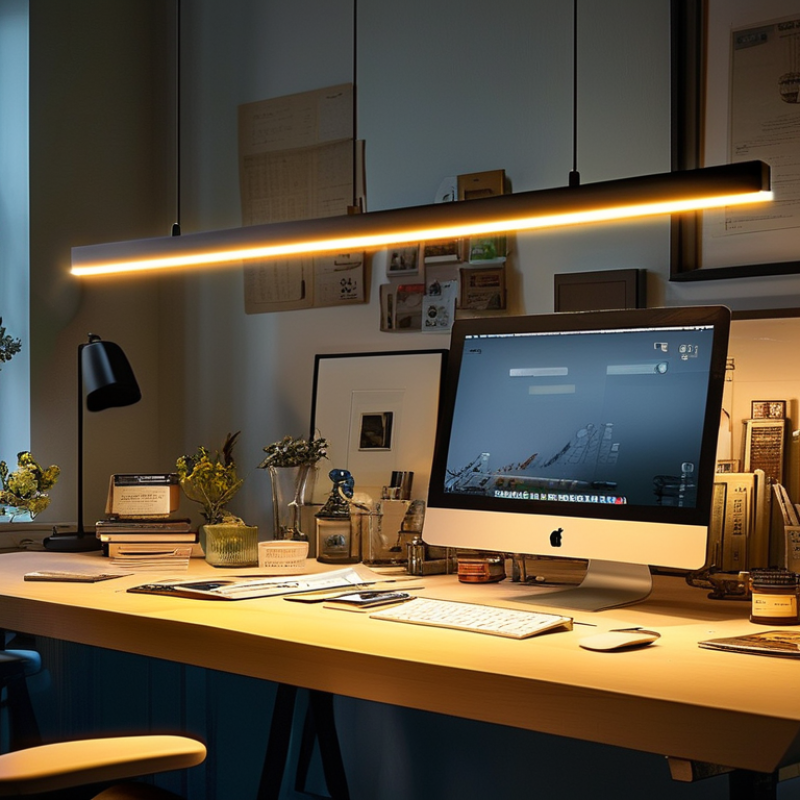
Understanding Different Types of LED Lighting Available in the Market
LED lighting options are diverse, catering to various needs. When choosing, consider the different types available. There's standard LED bulbs, which are versatile for general use. They come in various shapes and brightness levels, making them suitable for homes and offices.
Specialized LEDs exist for specific purposes. For instance, flood lights are ideal for outdoor spaces. They provide broad illumination, enhancing security and aesthetics. Task lighting, like LED under-cabinet lights, focuses on areas where precision is essential. Both types enhance functionality, especially in kitchens or workshops.
Color temperature is another critical factor. Warm white light creates a cozy atmosphere, while cool white is energizing. This choice can influence mood and productivity. Reflect on your environment and choose LED lighting that aligns with your lifestyle.
Identifying Your Lighting Needs and Usage Scenarios
When selecting LED lighting, understanding specific usage scenarios is crucial. Your needs may vary significantly depending on whether the space is for work, relaxation, or entertainment. Research by the U.S. Department of Energy shows that LED lights can save over 75% energy compared to traditional bulbs. This highlights the importance of choosing the right type to make the most of these savings.
For workspaces, optimal brightness is vital. A common recommendation for offices is around 300-500 lumens per square meter. However, individuals often overlook color temperature, which affects productivity. Offices may benefit from cooler temperatures around 4000K to 5000K, helping to enhance focus. In contrast, warmer tones around 2700K are better suited for relaxing environments.
Evaluating each area in your home or office can reveal shortcomings. Poorly lit corners might affect mood and productivity. In a survey conducted by the Lighting Research Center, nearly 50% of respondents reported feeling fatigued in poorly lit spaces. Identifying your unique needs can lead to better lighting choices and ultimately improve both functionality and comfort in your daily life.
How to Choose the Best LED Lighting for Your Needs?
| Usage Scenario | Recommended Lumens | Color Temperature (Kelvin) | Type of LED | Dimming Capability |
| Living Room | 1600 - 3000 lumens | 2700K - 3000K | A19 or PAR30 | Yes |
| Kitchen | 3000 - 4000 lumens | 3000K - 4000K | LED Strip or Downlight | Yes |
| Bathroom | 2000 - 3000 lumens | 3000K - 4000K | Recessed LED | Yes |
| Office | 3000 - 5000 lumens | 4000K - 5000K | Panel or Troffer | Yes |
| Bedroom | 800 - 1600 lumens | 2700K - 3000K | A19 or Filament LED | Yes |
Evaluating Brightness, Color Temperature, and Color Rendering Index
When selecting LED lighting, brightness, color temperature, and Color Rendering Index (CRI) are crucial factors. Brightness is measured in lumens. A bright living room may require around 1,500 to 3,000 lumens. However, too much brightness can create glare and discomfort. A careful assessment of the space's purpose will guide your lumen needs.
Color temperature, measured in Kelvin (K), impacts the ambiance of a room. Cool white light (5000K-6500K) mimics daylight. Warm white light (2700K-3000K) is ideal for cozy settings. According to the U.S. Department of Energy, using warmer lights in living spaces can enhance comfort and relaxation.
CRI indicates how accurately colors appear under a light source. A CRI of 90 or above reveals true colors vividly. For art galleries or retail spaces, aiming for a high CRI is essential. However, achieving this might come with trade-offs in efficiency and cost. Balancing these aspects may require a thoughtful approach, ensuring that lighting not only illuminates but elevates your environment.
LED Lighting Evaluation: Brightness, Color Temperature, and CRI
This chart displays the comparison of different LED lighting options based on their brightness (in Lumens), color temperature (in Kelvin), and Color Rendering Index (CRI). These factors are crucial for determining the best LED lighting for your specific needs.
Comparing Energy Efficiency and Lifespan of LED Options
When selecting LED lighting, understanding energy efficiency and lifespan is crucial. LEDs consume up to 75% less energy than traditional incandescent bulbs. This significant reduction translates to lower electricity bills and a smaller carbon footprint. According to the U.S. Department of Energy, LEDs have a longer lifespan, averaging 25,000 to 50,000 hours compared to only 1,000 hours for traditional bulbs.
Energy efficiency ratings like the Energy Star label provide essential insights. Not every LED is created equal. Some might promise longevity but fail in practice. It's important to compare lumen output per watt. A high lumen output with low wattage indicates better efficiency. Documents from the International Energy Agency highlight that the widespread adoption of efficient lights can save billions in energy costs globally.
While choosing LEDs, consider the environment and usage. Frequent on-off cycling can shorten lifespan. Not every space requires the same level of brightness, and not all fixtures are compatible with every LED. Understanding these nuances will help you make informed decisions. Picking the right LED is about balancing efficiency with practical needs, and manufacturers' claims can sometimes be overly optimistic.
Budgeting: How to Choose LED Lighting Within Your Financial Limits
Budgeting for LED lighting can feel overwhelming. It’s essential to assess your financial limits before diving into options. Start by determining how much you can spend. Setting a clear budget helps narrow down choices and prevent impulsive buys. It’s easy to get swayed by enticing features and designs. Always keep your budget in mind.
Consider all costs associated with lighting. LED bulbs may have a higher initial price but often save money over time. They consume less energy and last longer than traditional bulbs. Calculate potential savings on your electricity bill. Take into account installation costs if hiring professionals.
Don’t rush the decision-making process. Research various lighting solutions within your budget. Read reviews and consult experts to gain insights. Sometimes, cheap options might not provide the quality you seek. Prioritize durability and efficiency over low prices. It’s about finding that balance between cost and performance. Making informed choices leads to better long-term satisfaction.