How to Choose the Best LED Garden Light for Your Needs?
Selecting the best LED Garden Light is essential for enhancing your outdoor space. With so many options available, making the right choice can feel overwhelming. Technical specifications, design, and functionality are just a few aspects to consider. Your outdoor lighting should not only be stylish but also serve practical purposes.
Think about how you plan to use your LED Garden Light. Are you highlighting pathways, illuminating gardens, or creating a cozy ambiance? Each type has distinct features, and what works for one setting may not suit another. For instance, some lights are solar-powered, while others require hardwiring. You’ll need to weigh the benefits of each.
Quality matters when it comes to garden lighting. Not all products are created equal. Research brands, read reviews, and look for warranties. Reliability can vary significantly among different manufacturers. Investing time in learning about your options can pay off in the long run. Ultimately, the right choice will enhance both the beauty and safety of your garden.
Factors to Consider When Choosing LED Garden Lights
When selecting LED garden lights, several key factors warrant attention. Light brightness is crucial. Measured in lumens, higher lumens mean brighter lights. A well-illuminated garden typically requires 100 to 200 lumens per square foot, according to the Illuminating Engineering Society. Consider where the lights will be placed. Path lights should be less intense than those for highlighting trees or architecture.
Energy efficiency is another significant consideration. LED lights use up to 80% less energy than traditional incandescent bulbs. This efficiency translates to lower electricity bills and a reduced carbon footprint. Pay attention to the color temperature of the bulbs as well. Warm white (2700K-3000K) creates a soft, inviting atmosphere, ideal for gardens. Cooler temperatures, like daylight (5000K-6500K), lend a more vibrant feel, suitable for practical areas.
The materials and durability of the lights also deserve careful evaluation. Look for weather-resistant options that can withstand various climates. IP ratings indicate protection against dust and water. An IP65 rating signifies excellent resistance to water, vital for outdoor use. Installation ease impacts long-term satisfaction too. Some designs allow for quick setup without professional assistance, while others may require tools. These details contribute to achieving the perfect garden illumination.
Types of LED Garden Lights and Their Applications
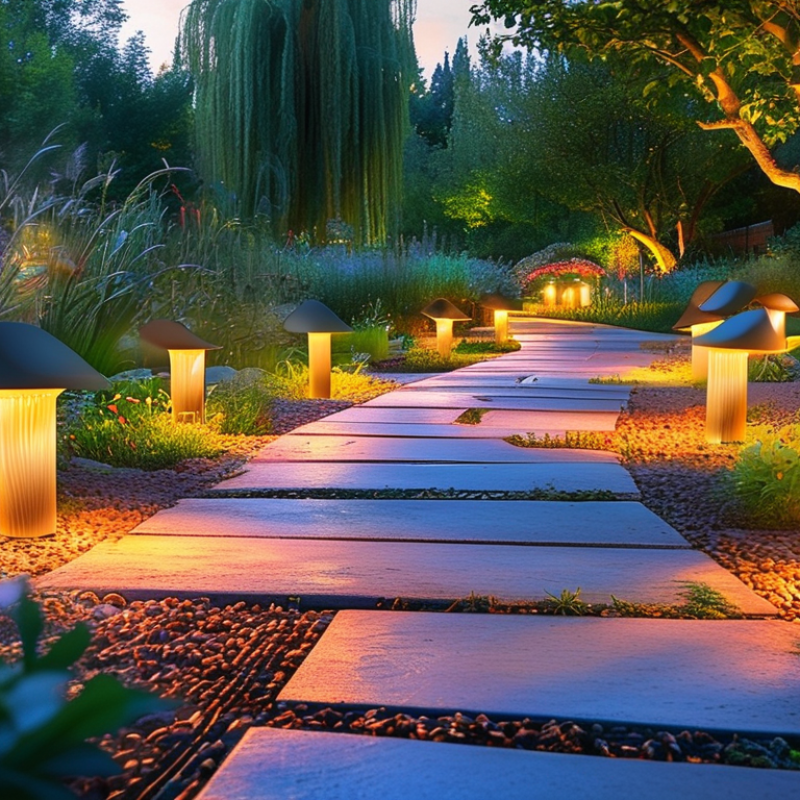
When choosing LED garden lights, understanding the types is essential. There are many options available. Path lights illuminate walkways and provide safety at night. They ensure guests can navigate your garden without stumbling. Spotlights can accentuate specific features, like trees or sculptures, creating a focal point in the landscape.
String lights are popular for their versatility. They add a warm ambiance and can transform an outdoor space. Many people overlook their energy efficiency. Solar-powered models can further reduce electricity use. However, these lights may require adequate sunlight to function effectively.
Wall-mounted fixtures serve practical and aesthetic purposes. They can brighten up patios or decks. Remember, placement is crucial. Poor positioning can lead to shadows and dark areas. It’s important to carefully think about where to install each type of light. Testing different setups can help you find the right balance of illumination and ambiance for your garden.
How to Choose the Best LED Garden Light for Your Needs?
| Type of LED Garden Light | Application | Watts | Lumens | Color Temperature (K) |
| Pathway Lights | Garden pathways and borders | 5-10W | 300-800 lm | 2700-3000K |
| Spotlights | Highlighting plants and features | 10-20W | 900-2000 lm | 3000-4000K |
| Flood Lights | Illuminating large areas | 20-50W | 2000-4000 lm | 4000-5000K |
| Deck Lights | Illuminating decks and patios | 2-5W | 200-600 lm | 2700-3000K |
| String Lights | Decorative lighting for occasions | 5-15W | 200-800 lm | 2200-3000K |
Evaluating Brightness and Color Temperature for Your Garden
When selecting LED garden lights, brightness and color temperature significantly impact the atmosphere of your outdoor space. Brightness, measured in lumens, determines how light fills your garden. For cozy spots, lower lumens around 300-600 are sufficient. If you need to highlight pathways or features, aim for 1000 lumens or more. Test a few options to see what feels right in your garden.
Color temperature is equally important. It’s measured in Kelvin (K). A warm white light, around 2700K to 3000K, creates a welcoming and relaxing environment. In contrast, cooler white light, around 4000K to 5000K, is bright and vibrant, enhancing detail and clarity. Imagine walking through your garden at dusk. The right light color helps you enjoy the beauty of plants and flowers.
Consider the layout of your garden. A thoughtful arrangement can showcase texture. If you’re unsure, try different fixtures in different spots. Observe how they interact with other elements. Sometimes, what looks good on paper doesn’t translate in reality. Lighting can transform your garden, but finding the right balance requires patience and experimentation. Don’t hesitate to make adjustments until it feels just right.
Brightness and Color Temperature of LED Garden Lights
Power Source Options: Solar vs. Electric LED Garden Lights
When selecting LED garden lights, the power source is a crucial consideration. Solar LED garden lights harness the sun's energy. They are eco-friendly and easy to install. These lights often come with built-in batteries that charge during the day. However, they may not perform well on cloudy days. Limited daylight can lead to insufficient lighting at night.
On the other hand, electric LED garden lights offer consistent illumination. They require wiring, which can be more complex to install. Yet, their reliability in diverse weather conditions makes them a popular choice. They can run all night without fading. This can be essential for areas needing enhanced security.
Each option has its pros and cons. Solar lights can save energy but might struggle in less sunny climates. Electric lights provide reliability but may increase your energy bill. Consider your specific needs before making a choice. Think about the installation process and the maintenance involved.
Installation and Maintenance Tips for LED Garden Lights
When it comes to installing LED garden lights, proper setup can significantly enhance your outdoor space. Always begin by assessing the area. Consider the size of your garden, and determine where light is most beneficial. Most experts recommend placing lights along pathways and near trees. This not only helps with safety but can also create beautiful focal points.
Maintaining your LED garden lights is crucial for optimum performance. Cleaning the fixtures regularly prevents dirt build-up and ensures bright illumination. Research indicates that a clean fixture can increase light output by up to 30%. Additionally, check the electrical connections at least once a season. Faulty connections can reduce efficiency and lead to potential hazards.
While LED lights are known for their longevity, occasional bulb replacement may be necessary. It's wise to keep track of your light's lifespan. Many LED models last over 25,000 hours. However, environmental factors like extreme weather can impact their performance. Reflect on how your lights handle these conditions. Assessing their durability over time can provide insights into your installation choices.