How to Choose the Best Deep Cycle Lithium Battery for Your Needs?
When selecting a Deep Cycle Lithium Battery, understanding the core features is vital. Industry reports indicate that lithium batteries outperform traditional lead-acid options in longevity and efficiency. For example, lithium batteries can last up to 10 years, compared to 3-5 years for lead-acid varieties. This longer lifespan is critical for consumers who rely on renewable energy or electric vehicles.
However, choosing the right battery isn't merely about lifespan. It's essential to consider capacity, charge cycles, and discharge rates. Some users may overlook these factors, leading to inadequate performance. The market offers a variety of options, each tailored for specific needs. Yet, this diversity can complicate the decision-making process. Research published in battery technology journals shows that up to 30% of users may choose a battery without fully understanding its specifications.
Ultimately, your choice of a Deep Cycle Lithium Battery can influence energy efficiency and cost-effectiveness. With proper evaluation, you can tailor your selection to meet your specific requirements. This decision is crucial, as it can impact long-term performance and satisfaction.
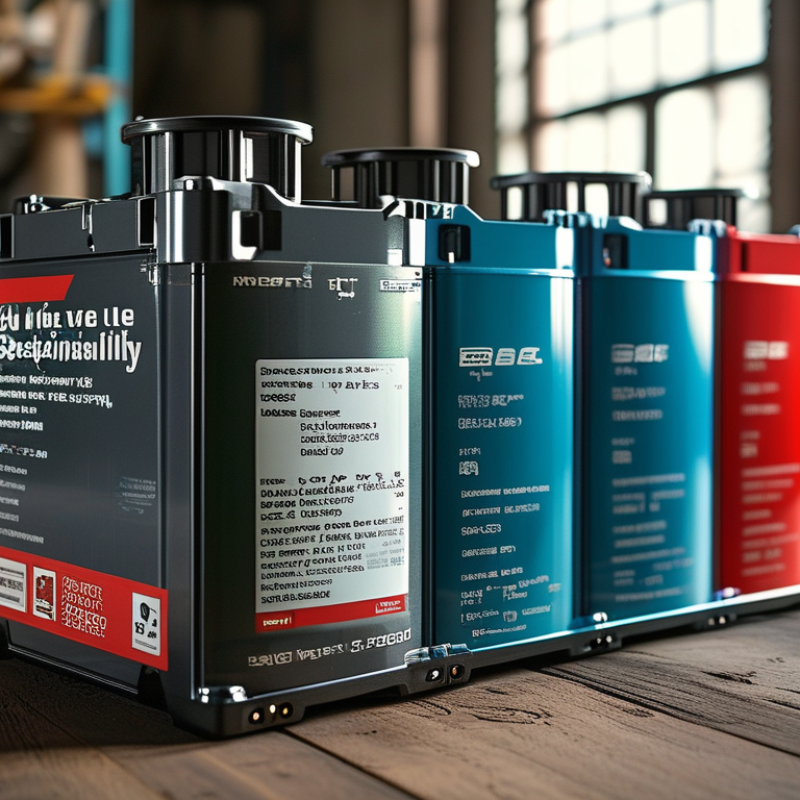
Understanding Deep Cycle Lithium Batteries: Key Features and Benefits
Deep cycle lithium batteries stand out due to their unique features and advantages. These batteries are designed to provide a steady amount of power over time. They excel in applications where energy consumption is sustained, such as in solar systems or electric vehicles. One key feature is their ability to be discharged deeply without damage. This resilience results in longer lifespans compared to traditional lead-acid batteries.
In terms of benefits, deep cycle lithium batteries are lightweight and compact. This makes them ideal for mobile applications. They also charge faster than conventional batteries. A smooth discharge cycle leads to consistent performance, even under heavy loads. However, the initial cost can be higher. Not every user may need the advanced capabilities that lithium batteries offer.
Choosing the right deep cycle lithium battery involves assessing specific needs. Understanding your energy requirements is crucial. Many users overlook this detail and end up with a battery that is either underpowered or overly intricate for their needs. It’s essential to weigh the benefits against potential drawbacks, ensuring a well-informed decision.
Identifying Your Power Requirements: Capacity, Voltage, and Application
Identifying your power requirements is crucial when choosing the best deep cycle lithium battery. Start by determining the capacity you need, which is usually measured in amp-hours (Ah). For instance, a battery with a capacity of 100Ah can theoretically power a device drawing 10 amps for 10 hours. Reports indicate that properly sizing your battery can significantly enhance performance and longevity, emphasizing the importance of accurate calculations.
Voltage is another key consideration that dictates compatibility with your devices. Common voltages include 12V and 24V. Selecting the wrong voltage can lead to inefficiencies and damage. For example, many recreational vehicles operate on 12V systems. A mismatch may complicate your setup and lead to frustration.
Finally, assess your intended application. Deep cycle batteries are perfect for energy storage solutions in solar systems, marine applications, and RVs. Each use case may have differing power demands. According to industry studies, understanding these dynamics can help predict battery life and performance. Always reflect on your specific needs to avoid common pitfalls and ensure optimal battery selection.
Assessing Battery Lifespan: Cycles, Depth of Discharge, and Warranty Reports
When selecting a deep cycle lithium battery, lifespan is a crucial factor to consider. Battery life is often measured in cycles, which refers to the number of complete charge and discharge cycles a battery can undergo. A quality lithium battery typically offers 2000 to 5000 cycles. This means it can provide years of reliable service if used correctly. Many users underestimate how cycle life is affected by the depth of discharge.
Discharging a battery deeply can significantly shorten its lifespan. Most manufacturers recommend a depth of discharge (DoD) between 20% and 80% for optimal longevity. Studies show that consistently discharging beyond 80% can lead to a faster decline in battery performance. For example, a battery cycled regularly to 80% DoD may last 30% longer than one cycled to 100% DoD. It’s essential to monitor your energy usage and plan your cycles intelligently.
Warranty reports often serve as a reliable source to gauge the expected performance of a battery. Many reputable manufacturers provide warranties ranging from 5 to 10 years. However, the fine print often reveals warranty conditions. Some only cover specific cycles or restrictions on DoD. Users should read these details carefully. An apparent warranty appears enticing, but it may not cover real-world usage. Users should ensure they understand these terms fully before making a significant investment.
Comparing Top Brands: Performance Metrics and Industry Standards
When comparing top brands of deep cycle lithium batteries, performance metrics play a crucial role. Industry reports from credible sources suggest that capacity retention is a key indicator. A battery retaining at least 80% of its capacity after 2,000 cycles is ideal. Many top manufacturers achieve this, but not all do consistently. It's worthwhile to examine each product's cycle life under varied conditions.
Another important metric is discharge rate. A battery with a higher discharge rate can better meet the demands of high-power applications. Data shows that batteries with a discharge rate of 1C or higher provide better performance for energy-hungry devices. However, not all brands adhere to this standard, leading to noticeable differences in day-to-day use.
Safety features also deserve attention. Lithium batteries must include built-in protection against overcharging and short circuits. Reports indicate that up to 20% of battery failures come from inadequate safety designs. This highlights the importance of choosing brands known for rigorous safety testing. Many consumers overlook these details, leading to suboptimal choices that can affect longevity and performance. Researching and comparing will yield a battery that aligns closely with your specific needs.
Comparative Analysis of Deep Cycle Lithium Batteries
Evaluating Cost-Effectiveness: Initial Investment vs. Long-Term Savings
When evaluating the cost-effectiveness of deep cycle lithium batteries, it's crucial to compare the initial investment with long-term savings. A high-quality lithium battery may come with a higher price tag, often ranging between $800 and $1,500, but its lifespan can exceed 10 years. In contrast, traditional lead-acid batteries may cost less upfront, typically about $200 to $500, but they often last only 3 to 5 years. This substantial difference in lifespan can lead to significant savings in the long run.
Analyzing industry reports, lithium batteries demonstrate a cycle life of over 5,000 cycles at 80% depth of discharge. This performance outshines lead-acid options, which average around 500 cycles. Furthermore, lithium batteries are lighter and have faster recharging capabilities. Their efficiency also means less energy wasted during each cycle, translating to lower operational costs. However, some users may experience issues with battery management systems, leading to inefficiencies if not properly monitored.
Another aspect to consider is the environmental impact. Lithium batteries allow for greater energy efficiency, contributing to lower carbon footprints over time. Still, sourcing raw materials for these batteries poses ethical dilemmas, necessitating careful examination. The decision-making process can feel daunting, but weighing initial costs against potential long-term benefits is key in finding the right fit for your needs.