How to Choose a High Voltage Output Electric Fence System?
When choosing a high voltage output electric fence, several factors come into play. The purpose of the fence significantly influences your choice. Are you protecting livestock, crops, or property? Each application requires a different setup. Consider the size of the area as well. A small garden may not need the same voltage as a vast pasture.
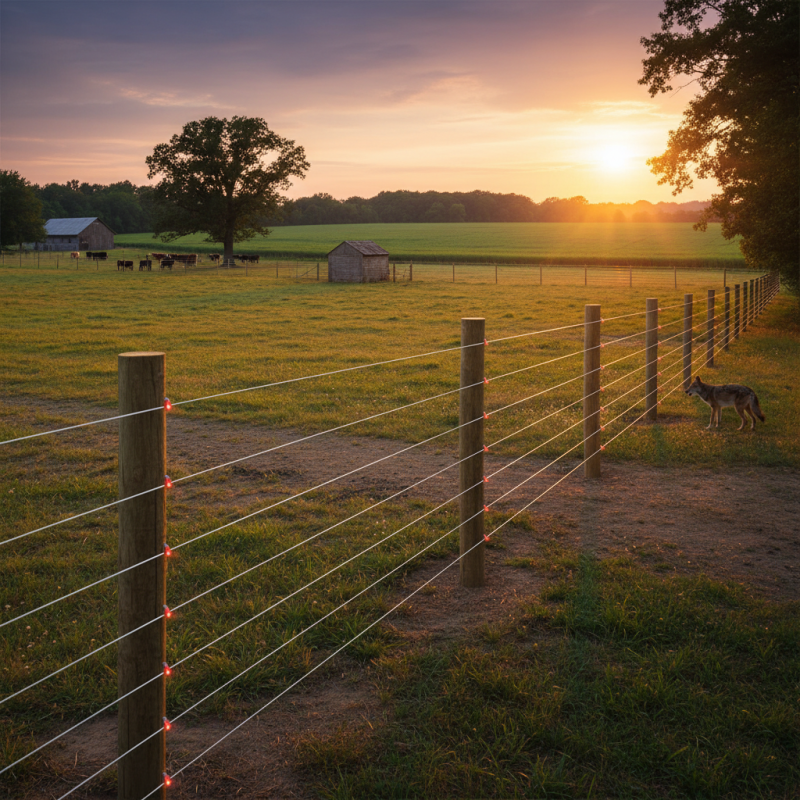
The type of wildlife or threats you expect also matters. For instance, predators like coyotes need a stronger deterrent. Think about the layout, too. Obstacles like trees or buildings can affect the fence's effectiveness. Installation challenges may arise, so be prepared for them.
Quality matters in electric fence systems. A reliable high voltage output electric fence can save you from potential losses. However, not all products are created equal. Research brands and read reviews. Aim for systems that have proven their durability. In the end, balancing cost, safety, and efficiency is essential. Take your time to reflect on your specific needs before making a decision.
Understanding High Voltage Electric Fence Systems
High voltage electric fence systems are designed to protect properties efficiently. They deliver a strong electric shock to deter unwanted animals or intruders. Understanding how they function is key to choosing the right system for your needs.
These systems work by creating a powerful voltage that travels along the fence. When an animal or person touches the fence, they receive a brief shock. This deterrent is often enough to keep them away. Moreover, high voltage systems can cover large areas, making them suitable for farms and large properties. However, improper installation may lead to gaps in security.
A crucial aspect to consider is the power source. Mains electricity provides a constant output, while battery-operated systems offer flexibility. Yet, batteries require regular maintenance and replacement. Additionally, it's essential to assess local regulations regarding electric fences. Some places have strict rules, which may affect your options. Balancing effectiveness and compliance can be tricky. Investing time in understanding these systems will lead to better choices in the long run.
How to Choose a High Voltage Output Electric Fence System?
| Feature | Description | Importance Rating (1-5) |
| Voltage Output | The amount of electrical charge the system can deliver, measured in volts. | 5 |
| Energy Source | The type of power supply, such as battery, AC mains, or solar-powered systems. | 4 |
| Range | The distance the electric fence can effectively cover. | 4 |
| Durability | The ability of the system to withstand environmental conditions. | 5 |
| Ease of Installation | How simple it is to set up the system without professional help. | 3 |
| Safety Features | Built-in mechanisms to prevent accidental shock or hazards. | 5 |
| Cost | The overall price of the electric fence system and installation. | 4 |
Key Factors to Consider When Choosing an Electric Fence
When selecting a high voltage output electric fence system, several key factors come into play. The first consideration is the type of animals you want to contain. Tall animals require a more powerful system. The terrain is also crucial; hilly areas may need more robust wiring to maintain effectiveness.
Tips: Always assess your property’s layout before installation. Look for potential hazards or barriers that may affect the fence's performance.
Power source is another essential factor. You can choose from battery-powered, solar, or mains-powered options. Each has its pros and cons. Solar seems great for remote areas but can be less reliable in cloudy weather.
Tips: Check how often the power source needs maintenance. A system that requires frequent attention may not be practical.
Finally, consider the fence's height and spacing of the wires. Taller fences deter larger animals. Wire spacing should match the type of animal. Too wide can lead to escapes.
Tips: Test your setup before full deployment. This helps identify weaknesses and allows for adjustments. It’s better to find issues early than after installation.
Types of High Voltage Electric Fence Systems Available
When selecting a high voltage electric fence system, understanding the types available is crucial. Various designs cater to different needs. For example, permanent electric fences are ideal for long-term applications. They provide robust protection for livestock. Temporary systems are great for short-term use. These can easily be set up and taken down.
Another type to consider is the solar-powered electric fence. This option is eco-friendly and efficient. It works well in remote areas without a power source. However, it may require sunny weather to function optimally. Battery-operated systems offer flexibility in placement. Yet, battery maintenance can be a hassle and might be overlooked easily.
Additionally, multiple wire configurations exist. Some systems utilize a single wire, while others use multiple wires for added security. A fence with more wires can prevent animals from attempting to cross. On the flip side, installation might become more complex. Always think about potential challenges during the setup process. Reflect on your location and the specific threats you face. Each type of fence has its pros and cons, making careful consideration essential.
High Voltage Electric Fence System Comparison
Assessing Your Property Needs for Effective Fencing
Assessing your property needs requires careful consideration. Understand the purpose of the electric fence. Whether for livestock containment or security, each function dictates specific requirements. A study indicates that around 75% of urban and rural property owners prefer high voltage systems for their effectiveness in deterring intruders and securing animals.
Consider the size and layout of the property. Larger properties may necessitate more robust systems or additional fencing lines to ensure coverage. Reports suggest that properties over five acres often require a higher voltage output to maintain effective deterrence. Evaluate the landscape too. Hilly or uneven terrain can complicate installation and effectiveness. Your fence must be adaptable to these challenges.
Assess local wildlife and neighbor interactions. Certain regions may have persistent wildlife issues. A high voltage system can help. It's essential to keep in mind that while these systems are effective, they can sometimes lead to accidental harm. Reflect on that risk. Installation can also prove challenging in areas with extensive vegetation. Balancing these factors with your property’s needs is crucial. Ultimately, your fencing choice should reflect a thoughtful evaluation of both benefits and potential downsides.
Installation and Maintenance Tips for Electric Fences
When installing a high voltage output electric fence, several essential maintenance tips can enhance its effectiveness. Regularly check the fence for damage. Vegetation can grow near or on the wires, which may reduce voltage. Trim away any overhanging branches and weeds that could create short circuits. Also, inspect all components, including posts, insulators, and connectors. These parts can wear out over time. Issues might not be immediately visible, so a detailed examination is necessary.
It's crucial to keep the energizer functioning properly. Dust and dirt can accumulate and impair performance. Cleaning it may seem tedious but is vital. Additionally, ensure the grounding system is intact. A poor ground can lead to inadequate voltage levels and might compromise the fence’s efficacy. Keeping track of any discrepancies in voltage readings is necessary. If readings drop unexpectedly, further investigation is needed—malfunctions may not always be apparent.
Finally, educate yourself about the fence’s operation. Learning about various environmental factors can help in adjusting settings. Seasonal changes might affect how wildlife reacts to the fence as well. Understanding these dynamics allows for proactive maintenance. Just do not ignore issues as they arise. Being vigilant can save time and resources in the long run. Engaging with your fence regularly ensures it remains a reliable barrier.