Top Tips for Choosing the Best Wet Wipes Production Line?
Choosing a wet wipes production line is crucial for your business. It affects product quality and operational efficiency. Therefore, knowing what to look for is essential.
Look for reliable manufacturers with industry experience. They should provide detailed technical specifications and after-sales support. Understanding maintenance needs is also important. This can help prevent downtime and ensure smooth operations.
Consider the flexibility of the wet wipes production line. It should adapt to various product types and packaging forms. Additionally, evaluate the energy efficiency of the machinery. This will reduce operational costs over time. Investing time in researching these elements can lead to better decisions and ultimately enhance your business performance.
Understanding the Different Types of Wet Wipes Production Lines
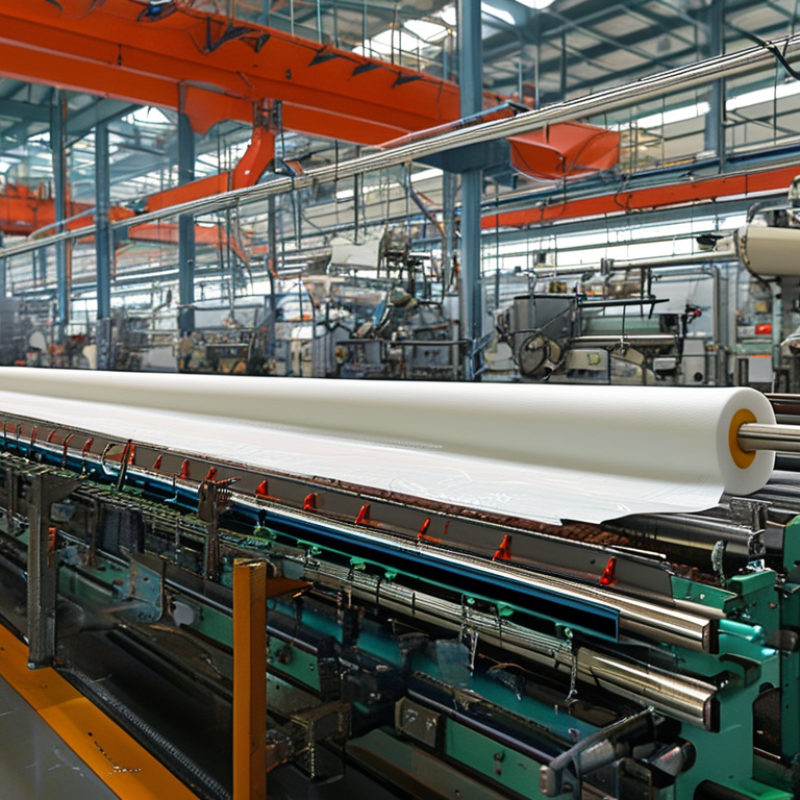
When exploring wet wipes production lines, it’s essential to understand the various types available in the market. Different production lines cater to specific needs. For instance, some lines are designed for personal care wipes. Others focus on industrial use, each requiring unique machinery and processes.
Recent industry reports indicate that the global wet wipes market is expected to reach USD 20.4 billion by 2027. This growth reflects an increasing demand for convenience and hygiene products. To effectively choose a production line, consider its flexibility. Some lines can produce multiple product types, reducing downtime and increasing output. However, the initial investment in such versatile lines may be higher.
Another consideration is automation. Fully automated lines can significantly reduce labor costs. Yet, they require skilled operators for maintenance. A balance between automation and human intervention is crucial. Moreover, some manufacturers might neglect the importance of quality control. Without it, even the best production line can yield subpar products. Adjusting to consumer needs is vital, as preferences may shift rapidly in this competitive market.
Production Capacity of Different Types of Wet Wipes Production Lines
Key Factors to Consider When Selecting a Production Line
When selecting a production line for wet wipes, several key factors should guide your decision. First, assess the technology used in the production line. Advanced machinery ensures higher efficiency and consistent quality. Look for lines that offer automation features, which can reduce labor costs and minimize human error.
Another important aspect is the capacity of the production line. Understanding your target market helps in choosing the right size. A line that can produce 300 units per minute may be ideal for high-demand periods. Ensure you evaluate the scalability of the production line as well. You should be able to adjust production rates based on seasonal demand.
Tip: Don’t overlook the maintenance aspect of the equipment. Routine maintenance can prevent costly breakdowns. Consider the availability of spare parts and service support in your area. Additionally, user-friendly machinery can reduce training time for your staff. A complex system may lead to operational delays.
Involve your production team in the selection process. Their on-ground insights can highlight practical needs you may overlook. Always leave room for adjustments and suggestions from the operators. This collaborative approach fosters a more effective production environment.
Evaluating Production Capacity and Efficiency Needs
When choosing a wet wipes production line, evaluating production capacity is essential. Understand the volume of wipes you need to produce daily. Calculate how many wipes you'll sell in peak seasons. This data helps determine the right machinery size. For smaller operations, a line with a lower production capacity may suffice. Larger manufacturers often require high-capacity lines, which are a significant investment.
Consider efficiency needs closely. An efficient line minimizes downtime and optimizes workflow. Look for features like automatic feeding and cutting mechanisms. These can greatly reduce labor costs and increase output. It’s also wise to assess maintenance needs. Some machines need more frequent servicing than others. Regular maintenance may affect overall productivity.
Evaluate your budget as well. While investing in high-tech equipment might seem attractive, it could lead to unforeseen costs. Be aware of potential hidden expenses, like spare parts and repairs. Balance your needs with budget constraints for a sustainable choice in the long run. Take the time to explore options and consult industry experts. This ensures that your investment suits your capacity and efficiency requirements.
Assessing Quality Control Measures for Wet Wipes Manufacturing
Choosing the right production line for wet wipes is crucial. Quality control measures play a significant role in ensuring a consistent and safe product. Assessing these measures can make a big difference. Look for systems that monitor raw materials throughout the production process. These systems should be capable of detecting impurities and ensuring compliance with industry standards.
Regular equipment maintenance is vital. Machines can wear down and affect product quality. Scheduled inspections help prevent issues. Consider installing sensors that alert operators to potential problems before they escalate.
It's important to foster a culture of quality among employees. Training staff on proper handling and quality checks enhances overall output. Knowledgeable staff can spot issues early. After all, even a small oversight can lead to larger problems later.
Budgeting for Initial Investment and Operational Costs
When considering the initial investment in a wet wipes production line, budget planning is crucial. The upfront costs can be substantial. Equipment, raw materials, and facility setup can quickly add up. You must assess each element carefully to avoid overspending or undershooting your budget.
Tips for budgeting include scrutinizing machinery options. Evaluate the features that meet your production needs. Determine which machines offer the best efficiency for your output goals. Additionally, consider ongoing operational costs, such as labor and maintenance. These will directly impact your profitability.
Even a small miscalculation in projections can lead to major issues down the line. It is vital to create a flexible budget plan. Regularly review operational expenses and adjust as needed. Inexperienced operators might overlook costs, impacting overall efficiency. Be prepared to revisit your strategy to ensure success.