How to Choose the Best Emergency Fire Lights for Safety?
In the world of fire safety, choosing the right "Emergency Fire Lights" is crucial. According to the National Fire Protection Association, nearly 1.3 million fires were reported in the United States in 2020 alone, leading to numerous injuries and tragic losses. This highlights the importance of reliable emergency lighting systems in both residential and commercial spaces.
Dr. James Whitmore, a recognized expert in fire safety, emphasizes, “Effective emergency lighting can save lives and enhance evacuation procedures in a crisis.” Selecting high-quality emergency fire lights can be daunting. With various options available, understanding their features is essential.
Many products may not meet safety standards. Therefore, thorough research and expert recommendations are vital. Prioritizing features like brightness, battery life, and ease of installation can make a significant difference. Selecting the best emergency fire lights involves not just a purchasing decision, but a life-saving strategy that requires careful consideration.
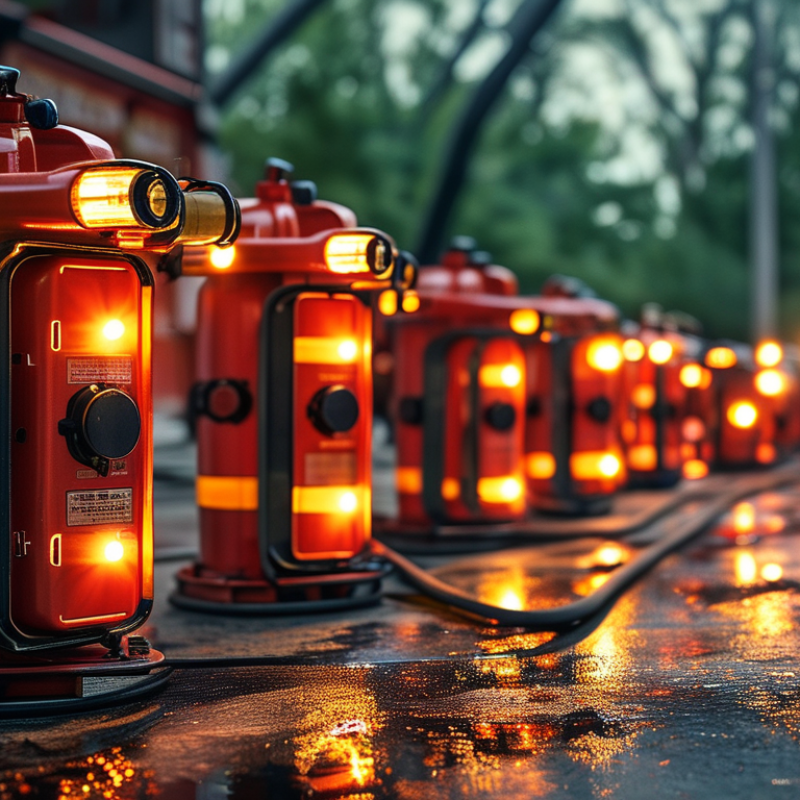
Understanding Different Types of Emergency Fire Lights Available
When it comes to emergency fire lights, understanding the different types is crucial for safety. There are primarily two categories: illumination lights and notification lights. Illumination lights help to guide people through dark or smoky environments. These lights should be bright and reliable. Typically, they utilize LED technology for efficiency and longevity. In contrast, notification lights are designed to alert individuals of an emergency situation. They often feature flashing strobe lights or colored beacons. Both types play an essential role in effective evacuation.
Choosing the right emergency fire light isn’t always straightforward. Certain environments require specific features. For example, outdoor areas may need lights with higher lumens for visibility. Conversely, indoor settings might benefit from softer lighting to avoid panic. Durability is another important factor. Lights should withstand harsh conditions like extreme temperatures or rain. Research indicates that many people overlook maintenance, which is critical for ensuring functionality during emergencies. Regular checks and updates can make a significant difference.
In evaluating options, consider local regulations and safety standards. Some areas may have specific requirements for emergency lighting. This can influence both the type of lights you choose and their placement. Limited knowledge about these regulations may lead to critical oversights. Being informed is key when selecting the best emergency fire lights. Prioritizing safety can save lives.
Emergency Fire Lights Types and Their Usage
Key Features to Look for in Emergency Fire Lights
When selecting emergency fire lights, it’s crucial to consider their key features. Brightness is paramount. The lumens rating determines how well the lights illuminate an area. Look for lights with at least 300 lumens for effective visibility in emergencies. Additionally, battery life matters significantly. Longer battery life ensures the lights function when you need them most.
Water resistance is another essential feature. Fire lights should ideally have an IP rating of 65 or higher. This protects them during adverse weather conditions. Portability adds practicality, enabling easy transport. Some lights can be mounted, while others are handheld. Both options should fit comfortably in your emergency kit.
Lastly, ease of use is vital. Simple operation enhances reliability. In high-stress situations, complex functions can lead to errors. Intuitive designs with clear indicators are helpful. However, it’s worth noting that even the best lights may fail or run out. Regular maintenance and testing are essential practices to ensure readiness. Reflecting on past experiences can guide better decision-making in acquiring these safety devices.
Assessing the Brightness and Visibility of Fire Lights
When choosing emergency fire lights, brightness is crucial. Lights must be bright enough to be seen from a distance. A lumen output of at least 200 is standard for adequate visibility. Brightness directly affects how quickly people can see and respond to an emergency.
Visibility is also influenced by the design of the light. Color, beam pattern, and placement all matter. Red lights are commonly used due to their attention-grabbing nature. However, using different colors can enhance visibility further. The spread of light is also vital. A narrow beam may not cover wide areas, leaving dark spots.
One must consider the environment too. Indoor and outdoor settings have different lighting needs. In a crowded space, bright, omnidirectional lights work best. In contrast, outdoor areas require lights that cut through smoke or haze. Regular testing of light functionality is essential, but often overlooked. Emergencies are unpredictable, and complacency can lead to risks.
How to Choose the Best Emergency Fire Lights for Safety? - Assessing the Brightness and Visibility of Fire Lights
| Model | Brightness (Lumens) | Visibility Distance (meters) | Battery Life (Hours) | Features |
| Model A | 1500 | 300 | 10 | Waterproof, Strobe Function |
| Model B | 1000 | 200 | 8 | Rechargeable, Compact Size |
| Model C | 2000 | 400 | 12 | LED Indicator, SOS Mode |
| Model D | 800 | 150 | 5 | Lightweight, Mountable |
Installation and Maintenance Considerations for Fire Lights
When selecting emergency fire lights, installation and maintenance are crucial. Proper installation ensures optimal performance during emergencies. Position lights in accessible locations, away from obstructions. Make sure they are visible from various angles. Mounting to walls or ceilings enhances visibility.
Regular maintenance is vital for reliability. Check the lights monthly to ensure they function correctly. Replace any burnt-out bulbs immediately. It’s easy to forget, but this small task can save lives. Keeping a maintenance log helps track checks and repairs.
Consider battery-operated options for ease of use. These lights require different maintenance than hardwired versions. Be aware of the specific needs of your chosen model. Regularly inspect batteries and replace them as needed. Neglecting this can lead to failures when you need them most. Investing time in these considerations enhances fire safety.
Evaluating Safety Standards and Certifications for Fire Lights
When selecting emergency fire lights, understanding safety standards is crucial. The National Fire Protection Association (NFPA) established guidelines outlining performance and quality for fire safety devices. Compliance with standards like NFPA 101, also known as the Life Safety Code, ensures that fire lights can effectively guide people to safety.
Certifications from recognized bodies, such as Underwriters Laboratories (UL) or the International Electrotechnical Commission (IEC), are vital. These seals of approval guarantee that products meet rigorous safety tests. Recent data indicates that over 30% of fire-related injuries occur in homes lacking properly certified safety devices. This statistic underscores the importance of choosing lights that adhere to verified safety measures.
Consider that not all fire lights are created equal. Some may claim compliance but lack proper certification. Inspecting product labels for legitimacy can prevent potential hazards. More importantly, fire lights must be visible in smoke-filled environments. Choosing lights that produce both sufficient illumination and have a clear visibility rating can make a difference. A poorly chosen product may fail when needed most.