How to Choose the Best Street Lights for Your Needs?
Choosing the right street lights is crucial for any urban development project. According to Amy Johnson, a lighting design expert with over 15 years of experience, “The effectiveness of street lights goes beyond mere illumination.” Her insight highlights the importance of functionality, design, and sustainability in street lighting choices.
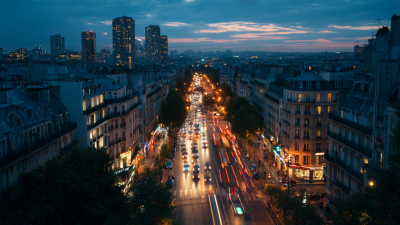
Street lights play a vital role in enhancing safety and aesthetics. They guide pedestrians and vehicles through well-lit roads, reducing accidents. Poorly chosen street lights can lead to dark spots, making areas unsafe. Additionally, the aesthetic aspect should not be ignored. Lighting can transform a neighborhood, adding charm and vibrancy.
When selecting street lights, consider factors like brightness, energy efficiency, and design. Not all lights suit every environment. Each community has unique needs that call for tailored solutions. Reflecting on these aspects helps avoid costly mistakes. Experts in the field, such as Johnson, stress the need for informed decisions. The right street lights can impact safety and eco-friendliness significantly.

Understanding Different Types of Street Lights and Their Applications
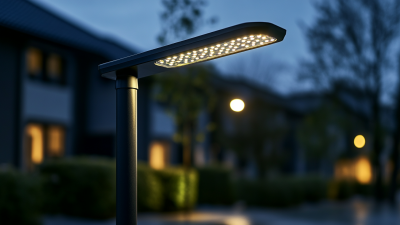
Selecting the right street lights requires understanding the various types available. There are traditional incandescent lights, energy-efficient LEDs, and solar-powered options. Incandescent lights are inexpensive but consume more energy. In contrast, LEDs use about 75% less energy and last significantly longer, making them a smart choice for many municipalities.
Street lights also serve different purposes. Some are designed for urban areas, focusing on high visibility and safety. For instance, a report by the International Energy Agency noted that LED street lights can reduce crime rates by creating well-lit environments. Solar lights, while initially costly, can provide savings in areas without reliable power sources. They require less maintenance and installation costs, especially in remote locations.
However, the choice of street lighting isn’t straightforward. Factors like light pollution, local climate, and community needs must be considered. Some areas may prefer warmer light for a cozy atmosphere, while others might need brighter lights for security. Each choice can lead to different outcomes, and it’s essential to weigh these factors carefully. Seeking expert advice can help navigate these complexities effectively.
Understanding Different Types of Street Lights and Their Applications
Evaluating Lumen Output and Energy Efficiency for Optimal Performance
When selecting street lights, lumen output and energy efficiency are crucial factors. Lumen output measures brightness. Higher lumens provide better visibility. For streets, adequate illumination is vital for safety. Think of poorly lit areas where hazards lurk. In contrast, well-lit streets promote secure environments.
Energy efficiency is another key consideration. Efficient lights reduce electricity consumption. This translates to lower utility bills. However, not all energy-efficient options are the same. Some may initially cost more but save money in the long run. When evaluating options, it's essential to weigh long-term savings against upfront costs. Reflecting on your local climate is also important. Some lights perform better in extreme conditions.
In selecting street lights, don't overlook installation and maintenance. Some types require frequent upkeep, increasing overall costs. Others may have longer lifespans but can be complex to install. Ultimately, the goal is to balance brightness, efficiency, and longevity. Careful evaluation of these factors can lead to better choices. The outcome should enhance safety while being cost-effective.
Assessing the Impact of Color Temperature on Visibility and Safety
When choosing street lights, color temperature is a crucial factor.
It significantly impacts visibility and safety. Studies show that a color temperature of around
4000K is optimal. This range offers a balance between brightness and comfort.
Lights in this spectrum enhance color recognition, making it easier for drivers and pedestrians to navigate.
However, not everyone agrees on the ideal temperature. Some argue that higher temperatures can create glare, impacting visibility negatively.
Research published by the Lighting Research Center suggests that temperatures above
5000K may lead to discomfort. This can distract drivers, leading to potential safety hazards.
A thoughtful approach is necessary.
Another point of concern is personal preference. Some communities prefer warmer lights for aesthetic reasons.
They argue that these create a more inviting atmosphere. Yet, cooler temperatures often provide better visibility,
particularly in urban settings. Balancing the preferences
of the community with safety needs is vital.
It’s essential to engage with local residents and professionals to find what works best.
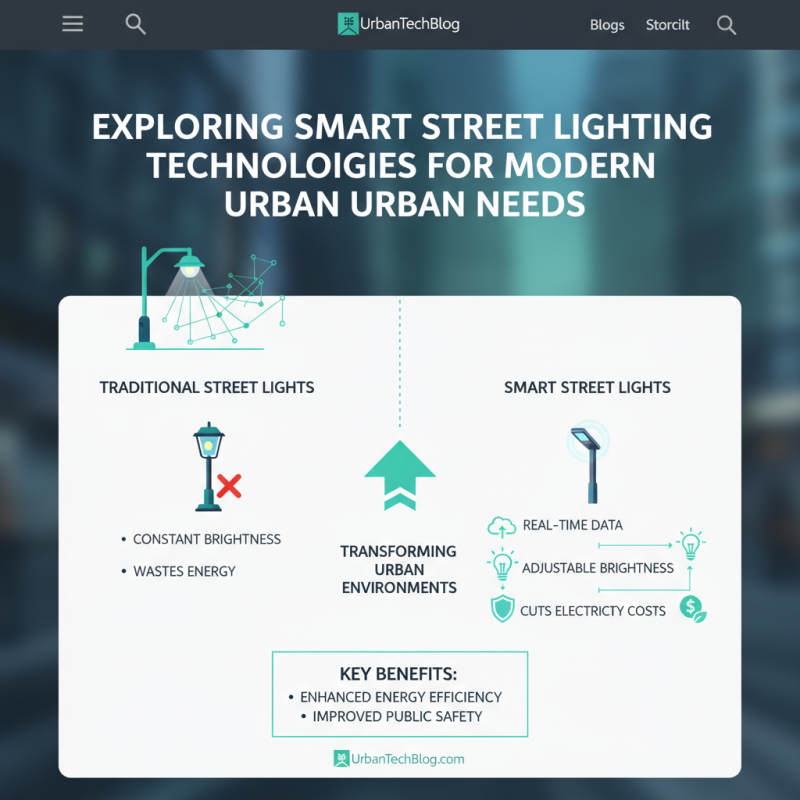
Exploring Smart Street Lighting Technologies for Modern Urban Needs
Smart street lighting technologies are transforming urban environments. These innovations can improve safety and enhance energy efficiency. Traditional street lights often waste energy. In contrast, smart lights adjust their brightness based on real-time data. This feature ensures optimal visibility while cutting down electricity costs.
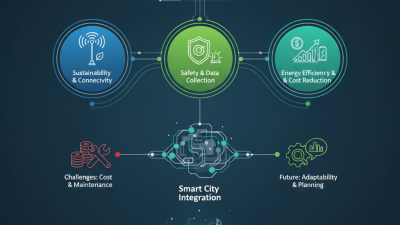
Sensors play a crucial role in this technology. They detect movement, enabling lights to brighten when pedestrians or vehicles approach. This creates a safer atmosphere. Moreover, connected systems can relay data on their status, which aids in maintenance. However, implementing these solutions comes with challenges. Cities must invest in infrastructure upgrades and ensure cybersecurity.
The integration of renewable energy sources, like solar power, is also an essential consideration. Solar-powered lights reduce the dependence on the grid. They are beneficial in remote areas with limited access to electricity. Despite the advantages, these systems require thoughtful planning. Balancing investment and community needs is vital to achieving long-term benefits.
Analyzing Cost Factors and Long-Term Maintenance Requirements
When selecting street lights, understanding long-term maintenance requirements is crucial. Street lights require regular upkeep to ensure optimal performance. Maintenance can include replacing bulbs, cleaning fixtures, and inspecting electrical systems. These tasks can be costly and time-consuming.
Cost factors extend beyond the initial purchase price. Energy efficiency plays a significant role in long-term expenses. Lights that consume less energy will lower operational costs over time. Additionally, consider the lifespan of the fixtures. Longer-lasting bulbs means reduced replacements, saving both time and money.
Lastly, reflect on the location and environment. In urban areas, street lights may face more wear. Harsh weather conditions can increase maintenance needs. Consider how these factors influence your overall budget. Balancing upfront costs with future expenses is essential for making an informed decision.
How to Choose the Best Street Lights for Your Needs?
| Light Type |
Initial Cost ($) |
Power Consumption (W) |
Lifespan (Years) |
Maintenance Cost ($/Year) |
| LED |
150 |
50 |
20 |
10 |
| Solar |
300 |
20 |
15 |
5 |
| Metal Halide |
200 |
400 |
10 |
20 |
| High-Pressure Sodium |
175 |
250 |
12 |
15 |