How to Choose the Best Energy Storage System for Your Needs?
Choosing the right Energy Storage System (ESS) can be challenging. With various technologies available, each with unique benefits, it's essential to assess your specific requirements. Whether you're a homeowner seeking solar battery backup or a business looking for grid stability, finding an efficient system is key.
Consider factors like storage capacity, power output, and cycle life. These elements directly impact your energy needs and overall efficiency. For example, a larger capacity may suit high-demand households. However, it could lead to unnecessary costs for smaller users. Additionally, understanding lithium-ion versus lead-acid technologies can clarify your options.
It's vital to consult reputable sources and experts in the field. Researching user experiences helps identify reliable brands and models. Yet, some systems may deliver less than expected. Therefore, continuous learning and adaptation are crucial in this evolving market. Ultimately, an informed decision will ensure you select an Energy Storage System that fits your lifestyle and budget.
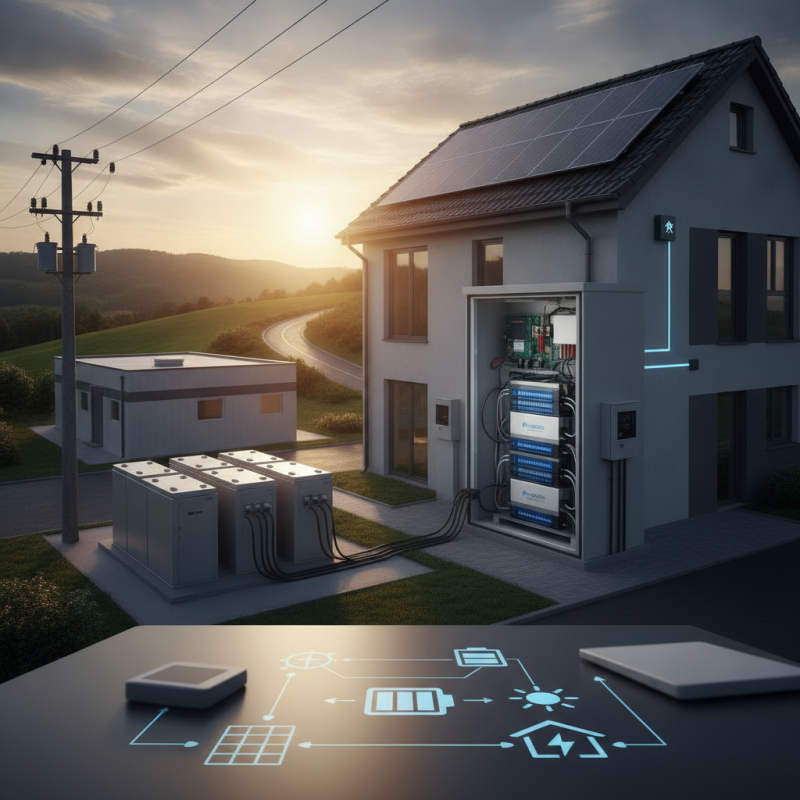
Understanding Your Energy Storage Needs
Understanding your energy storage needs is vital for making the right choice. Assess how much energy you typically consume. Consider appliances, heating, and cooling. This will give you a baseline to work from. Knowing your daily energy use can help you determine the capacity you need.
Evaluate your usage patterns. Are there peak hours when you consume more energy? A system that accommodates these trends is essential. Consider seasonal variations too. In winter, for instance, heating costs can soar. A flexible energy storage solution should adapt to your unique needs.
Think about the energy source as well. If you plan to use solar, ensure the storage system integrates seamlessly. Focus on the technology type that aligns with your lifestyle. Lithium-ion batteries are popular, but consider other options too. Research helps you navigate these choices. Mistakes can be costly, so take your time to reflect on what suits you best.
Evaluating Different Energy Storage Technologies
When evaluating energy storage technologies, it is essential to understand the fundamental types available. Lithium-ion batteries are common due to their energy density and efficiency. However, they may not suit every application. Costs can be high, and performance degrades over time. Exploring options like lead-acid batteries might yield savings, but they discharge quicker and have limited cycle life.
Another promising technology is flow batteries, which offer scalability and longer duration. They are ideal for large-scale applications but come with higher installation complexity. Meanwhile, emerging solutions like solid-state batteries show potential but need further development before widespread adoption.
Consider your specific needs carefully. Analyze capacity, discharge rates, and lifespan. It’s important to also factor in your budget and space limitations. Sometimes, a hybrid approach combining different technologies can provide the best balance. Experimenting with various systems may lead to unexpected insights about efficiency and performance.
Assessing Capacity and Power Requirements
When selecting an energy storage system, understanding your capacity and power requirements is crucial. Capacity refers to how much energy the system can store, typically measured in kilowatt-hours (kWh). Assessing your energy consumption patterns helps gauge this need. For example, a household that uses substantial energy at night will require higher capacity storage for effective usage.
Power requirements may vary widely. This is about how quickly the energy can be delivered, measured in kilowatts (kW). If you frequently run high-demand appliances, your system must support peak power needs. A common mistake is underestimating these requirements, leading to inadequate performance during critical times.
Evaluating both aspects requires careful consideration. Analyze your daily energy usage and peak demand scenarios. Look for inconsistencies in your data. It might reflect overestimated needs, or it might highlight real gaps. Seek insights from energy audits or professionals in the field to refine your figures. This reflection ensures that you select a storage solution that truly meets your unique demands.
Considering Cost and Return on Investment
When choosing an energy storage system, cost and return on investment are crucial factors. Assessing initial costs can help identify the right option. Look beyond purchase prices; consider installation and maintenance fees too. The potential savings from increased energy efficiency and reliability can also influence long-term expenses.
Tips: Evaluate your energy consumption patterns. Understanding these can lead to smarter purchases. Look for systems that offer scalability. This will help adjust to future energy needs without heavy upfront investment.
Financing options can impact your ROI. Explore available incentives and rebates to reduce costs. However, investigate the long-term performance of different systems. Not all storage solutions offer the same efficiency over time. This requires a careful balance of cost versus benefits. A complete understanding will guide you in making informed decisions.
How to Choose the Best Energy Storage System for Your Needs? - Considering Cost and Return on Investment
| Energy Storage Type | Cost per kWh | Efficiency (%) | Lifespan (Years) | Return on Investment (Years) |
| Lithium-ion Batteries | $400 | 90% | 10 | 5 |
| Lead-Acid Batteries | $200 | 80% | 5 | 4 |
| Flow Batteries | $300 | 75% | 20 | 10 |
| Compressed Air Energy Storage | $250 | 70% | 30 | 15 |
| Pumped Hydro Storage | $100 | 85% | 50 | 20 |
Exploring Installation and Maintenance Factors
When choosing an energy storage system, installation factors play a crucial role. Consider your available space and its characteristics. Different systems may have unique space requirements. Additionally, think about how easy it is to install them. Some systems might require professional installation, while others allow for DIY setups. Evaluating local building codes is also essential. Compliance is non-negotiable and can prevent future issues.
Maintenance is another vital aspect. Regular checks of your energy storage system can prolong its life. Check for any signs of wear or damage. Monitor battery performance and connection integrity. Neglecting these tasks can lead to unexpected failures. Unexpected issues can arise, so having a maintenance routine is helpful.
**Tip:** Keep a detailed log of maintenance actions. This log can identify patterns over time, allowing for proactive care.
**Tip:** If you face installation challenges, don’t hesitate to seek assistance. It's better to consult a professional than to risk improper setup.
Each choice you make regarding installation and maintenance impacts your system's performance. Be thorough and reflective during the decision-making process. This careful approach can lead to lasting satisfaction with your energy storage system.
Energy Storage System Comparison
This bar chart compares the cost per kWh of different energy storage systems, highlighting their economic feasibility for various applications.