What is an Acoustic Panel and How Does it Work?
Acoustic Panels play a crucial role in improving sound quality in various environments. According to a report by MarketsandMarkets, the global acoustic panels market is expected to reach $1.98 billion by 2027, highlighting the growing demand for sound management solutions. Industry expert Dr. Emily Carter emphasizes, "An acoustic panel can transform spaces, making them more conducive for communication and creativity."
These panels are specifically designed to absorb sound waves, reducing noise and echo. In settings such as offices, schools, and recording studios, their presence enhances acoustic performance. However, not all acoustic panels are created equal. Some materials may not perform as expected, raising questions about effectiveness. It's vital to choose panels wisely based on intended use and environment.
In addition, the installation process can often be challenging. Many users may not consider placement and spacing, which are critical for optimal performance. Acoustic panels are not a one-size-fits-all solution. Understanding their function and limitations can ensure better sound experiences.
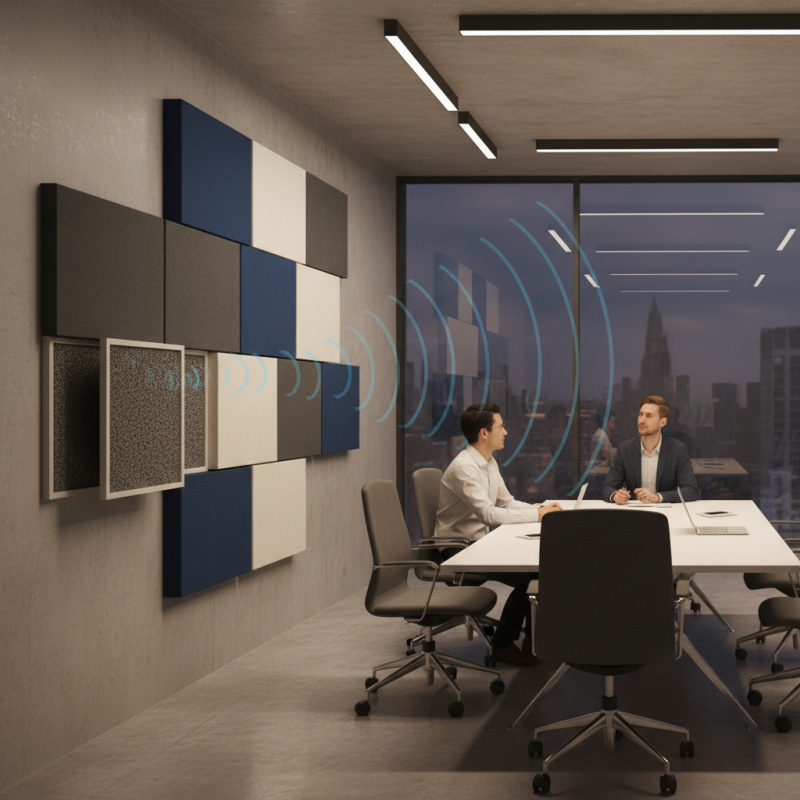
What is an Acoustic Panel?
Acoustic panels are essential tools for controlling sound in various environments. They are designed to absorb sound waves, reducing echo and noise levels. These panels come in various shapes, sizes, and materials, often made from foam, fabric, or wood. Their primary function is to improve the acoustics of a room, whether it's a home theater, a recording studio, or an office space.
Installing acoustic panels can dramatically enhance sound quality. In a poorly treated room, sounds tend to bounce off walls, creating muddled audio. With proper placement, however, these panels can fine-tune audio clarity. For example, placing panels at first reflection points can significantly decrease disruptive sounds.
Sometimes, you may find that the chosen panel colors clash with your décor. This is a common oversight that can detract from the overall aesthetics.
While acoustic panels are effective, they are not miracle solutions. Many users realize that achieving the desired acoustic environment often requires a mix of panels and other soundproofing techniques. Finding the right balance can sometimes lead to unexpected challenges. Reflecting on space usage and needs is crucial. This process may reveal that more or different panels are needed than initially anticipated. Balancing sound absorption and room design can be tricky yet rewarding.
The Purpose and Functions of Acoustic Panels
Acoustic panels serve a vital role in controlling sound within any space. Often made from dense, porous materials, they absorb sound waves. This reduces echo and background noise. The main purpose of acoustic panels is to enhance sound quality in environments like studios, offices, and homes. They help create a comfortable atmosphere, making conversations clearer and music more enjoyable.
The effectiveness of acoustic panels varies based on their placement and design. Some panels work better on walls, while others are designed for ceilings. The color and texture can also influence their aesthetic appeal. A well-placed panel can significantly improve the acoustic environment. However, achieving the perfect balance between sound absorption and room design can be challenging and requires thoughtful planning. Individuals often need to experiment with different configurations to find what works best for their spaces.
In homes, the use of acoustic panels in specific areas can create a quieter zone. Yet, many overlook this simple solution and accept unwanted noise. It's a reminder that sound management is an essential aspect of design. Prioritizing acoustic treatment can lead to a more enjoyable experience in everyday life.
Acoustic Panel Effectiveness
This chart illustrates the effectiveness of acoustic panels across different metrics such as frequency range, sound reduction capacity, material absorption coefficient, and panel thickness. Understanding these factors can help optimize the use of acoustic panels for sound management in various environments.
How Acoustic Panels Absorb Sound Waves
Acoustic panels are effective tools for controlling sound in various environments. They work by absorbing sound waves, reducing noise and echo. This absorption is crucial in busy spaces like offices, recording studios, and homes. When sound waves hit these panels, the material traps the energy, preventing it from bouncing back into the space.
The design of acoustic panels plays a vital role in their effectiveness. They are often made from porous materials like foam or fabric-covered fiberglass. These materials help to decrease sound intensity. When searching for the right panel, it’s important to consider factors like thickness and density. Each space has unique acoustic properties that may require a specific solution, and not all panels will yield the same results.
It's worth noting, however, that while acoustic panels significantly improve sound quality, they may not eliminate all noise. You might find certain frequencies still linger. This imperfection means continual assessment is necessary. Regularly reevaluating your acoustic setup can help you achieve the best sound environment possible. Understanding the limitations of your panels will lead to better sound experiences over time.
Different Types of Acoustic Panels and Their Applications
Acoustic panels come in various types, each designed for specific environments. Foam panels are lightweight and often used in home studios. They absorb sound waves and reduce echoes. These panels are effective but may not fit all decor styles.
Fabric-wrapped panels offer a more aesthetic option. They can match any room’s design while still enhancing sound quality.
Wooden acoustic panels are another popular choice. They are often used in concert halls and recording studios. These panels provide a balance of sound absorption and diffusion. This combination helps achieve a fuller sound. While effective, they require careful placement for optimal performance.
Not all acoustic panels are created equal. Some may not fit specific needs, leading to underwhelming results. It’s essential to consider the room's acoustics before choosing a panel type. Proper installation also plays a crucial role. Incorrectly positioned panels can lead to uneven sound distribution, diminishing their effectiveness. Understanding your environment is key to making the right choice.
Installation and Maintenance of Acoustic Panels
Installing acoustic panels can greatly enhance sound quality. Understanding the installation process is crucial for optimal results. First, determine the ideal locations for the panels. Entrances, windows, and corners are often neglected spots. Using a measuring tape, assess the room's dimensions. This helps in choosing the correct panel size and quantity.
When it comes to mounting the panels, there are various methods. Adhesives are popular for quick setups. They provide a clean look and require minimal tools. Alternatively, consider using brackets. This method allows for easy adjustment and repositioning. Make sure to follow the manufacturer's instructions closely. Each panel type may have different requirements.
Maintenance of acoustic panels is equally important. Regular dusting with a soft cloth is needed to keep them looking fresh. Occasionally, inspect the panels for signs of wear or damage. Tear or discoloration can affect performance. Many assume panels need replacement often, but with proper care, they can last years. Pay attention to their condition, and you can avoid premature replacements. This way, you ensure the best acoustic performance for your space.